Israel’s Creeping Perimeter: Netanyahu Claims Control Over 60% of Gaza

Prime Minister Netanyahu announced that Israel has expanded its territorial control in the Gaza Strip to 60%, citing the need to eliminate future security threats from Hamas. This expansion signals a hardening of the IDF's footprint and potentially complicates long-term diplomatic solutions for the region.

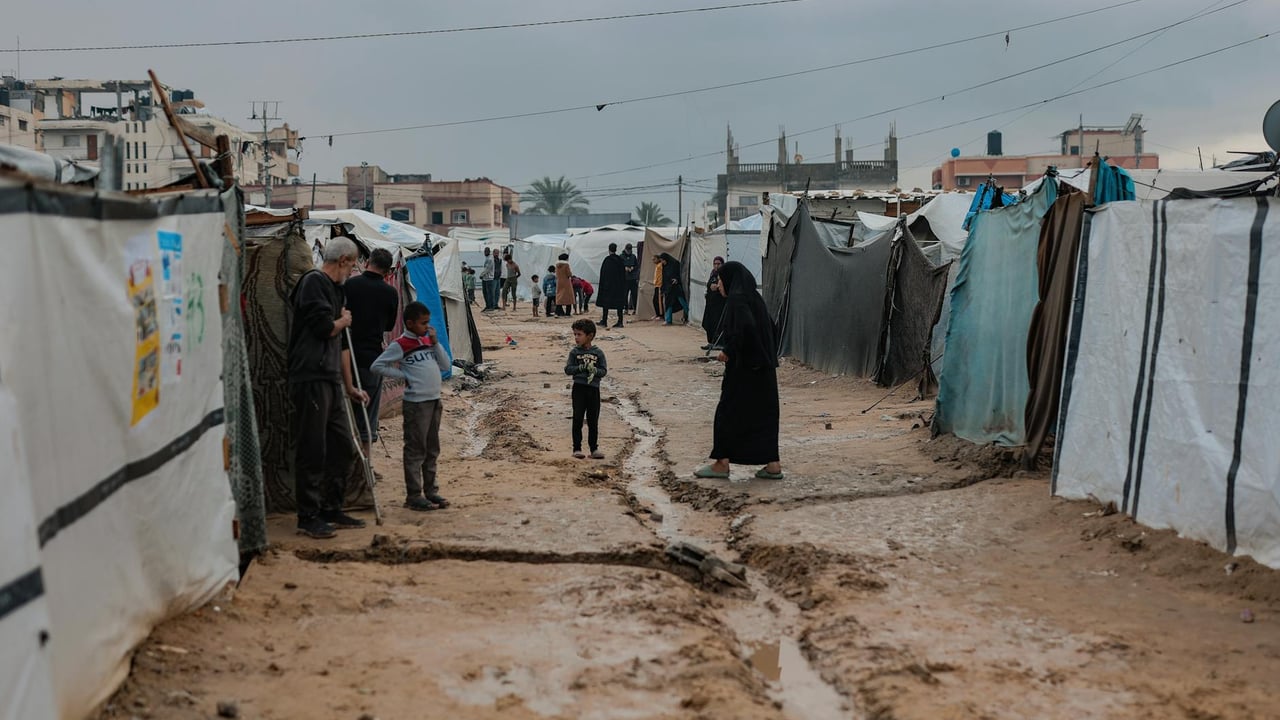
A poignant look at life in a Gaza refugee camp, capturing resilience and daily challenges.

Key Takeaways

  • 1Netanyahu claims Israeli control of Gaza has increased from 50% to 60%.
  • 2The expansion is framed as a strategic necessity to ensure Gaza no longer poses a threat to Israel.
  • 3Operations have shifted toward intensifying pressure on Hamas leadership and military infrastructure.
  • 4The 10% increase in territorial control suggests a widening of security corridors and buffer zones.

Editor's
Desk

Strategic Analysis

The shift from 50% to 60% control is less about a change in the pace of combat and more about the formalization of a long-term military presence. By controlling a clear majority of the land, Israel is physically segmenting Gaza, which serves the dual purpose of restricting Hamas movement and creating 'facts on the ground' that will be difficult to reverse in ceasefire negotiations. For a global audience, this signals that the Israeli government is moving toward a semi-permanent security architecture within the enclave, potentially sidelining plans for an immediate Palestinian-led administrative takeover and signaling a long war of attrition ahead.

China Daily Brief Editorial
Strategic Insight
China Daily Brief

Prime Minister Benjamin Netanyahu has publicly confirmed that Israel’s military footprint in the Gaza Strip now encompasses 60% of the territory, up from a previous assessment of 50%. This incremental expansion reflects a deliberate strategy to fragment the enclave and establish more permanent security infrastructure within the war-torn region.

The Prime Minister emphasized that this deepening control is a prerequisite for neutralizing the threat posed by Hamas. By tightening its grip on strategic corridors and high-density areas, the Israel Defense Forces (IDF) aim to prevent the militant group from reconstituting its governance or military capabilities.

However, the move to occupy over half the Gaza Strip raises significant questions about the "day after" scenario and the viability of any future Palestinian administration. Critics argue that the expansion of "security zones" effectively amounts to a long-term military administration that complicates international mediation efforts.

As the conflict persists, the Israeli leadership appears to be prioritizing a tangible security buffer over a swift transition to civilian rule. This development signals to both domestic constituents and the international community that any withdrawal remains a distant prospect contingent on total tactical dominance.

Share Article

Related Articles

📰
No related articles found