
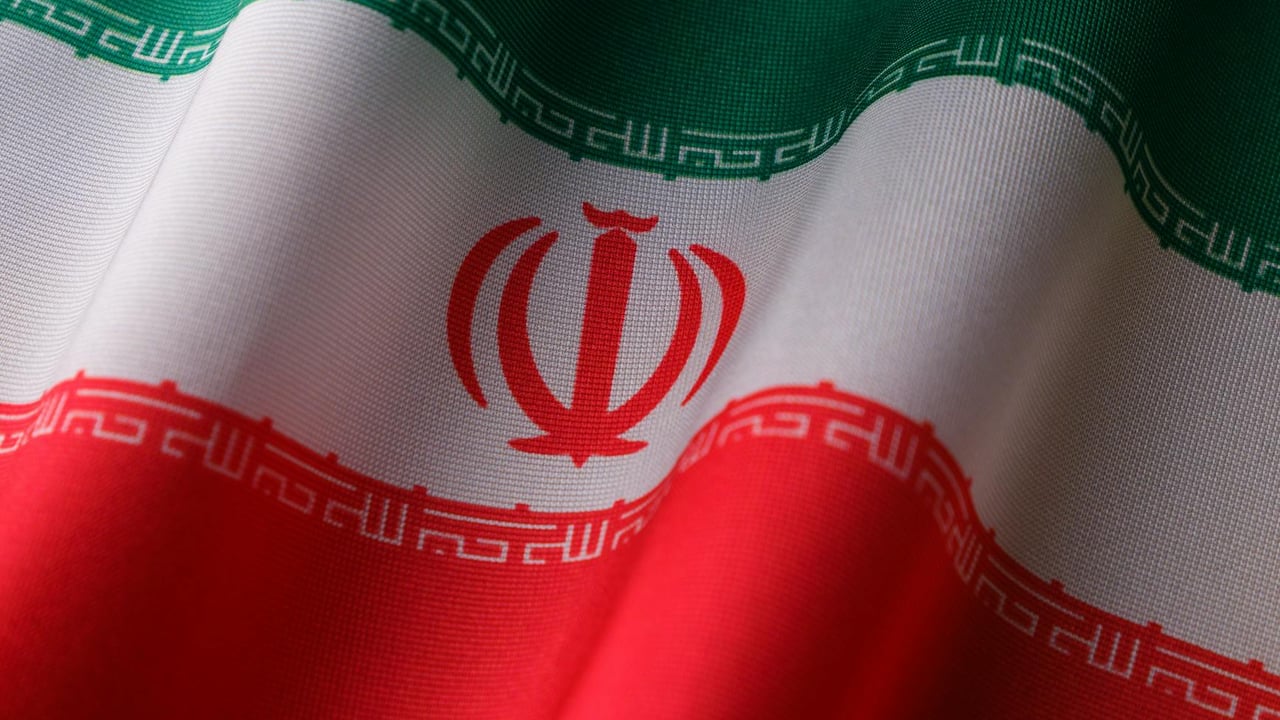

The Middle East is teetering on the edge of a significant escalation as U.S. President Donald Trump issues a blunt ultimatum to Tehran. In a characteristically aggressive social media post on May 17, 2026, Trump warned that time is running out for the Iranian regime, stating they must "act fast" or face total loss. This rhetoric marks a sharp pivot from diplomatic posturing toward the explicit threat of kinetic action.
This escalation is not merely a verbal skirmish. Following a high-stakes telephone call with Israeli Prime Minister Benjamin Netanyahu, discussions have reportedly shifted toward the logistical realities of restarting military operations against Iran. The coordination between Washington and Jerusalem suggests a unified front aimed at dismantling Iran's regional influence, though the specific triggers for this renewed aggression remain opaque to the public.
The machinery of war is moving behind closed doors in Washington. Reports indicate that a pivotal meeting in the White House Situation Room is scheduled for May 19, involving the core members of the National Security Council. The agenda is singular: reviewing viable military options for renewed strikes or sustained intervention against Iranian targets.
For a global audience, this development signifies the potential collapse of any remaining back-channel diplomacy between the West and Iran. The shift toward a maximum pressure strategy under the Trump administration threatens to destabilize global oil markets and ignite a broader regional conflict. Such an outcome could draw in various state and non-state actors across the Levant and the Gulf, complicating global security for years to come.