
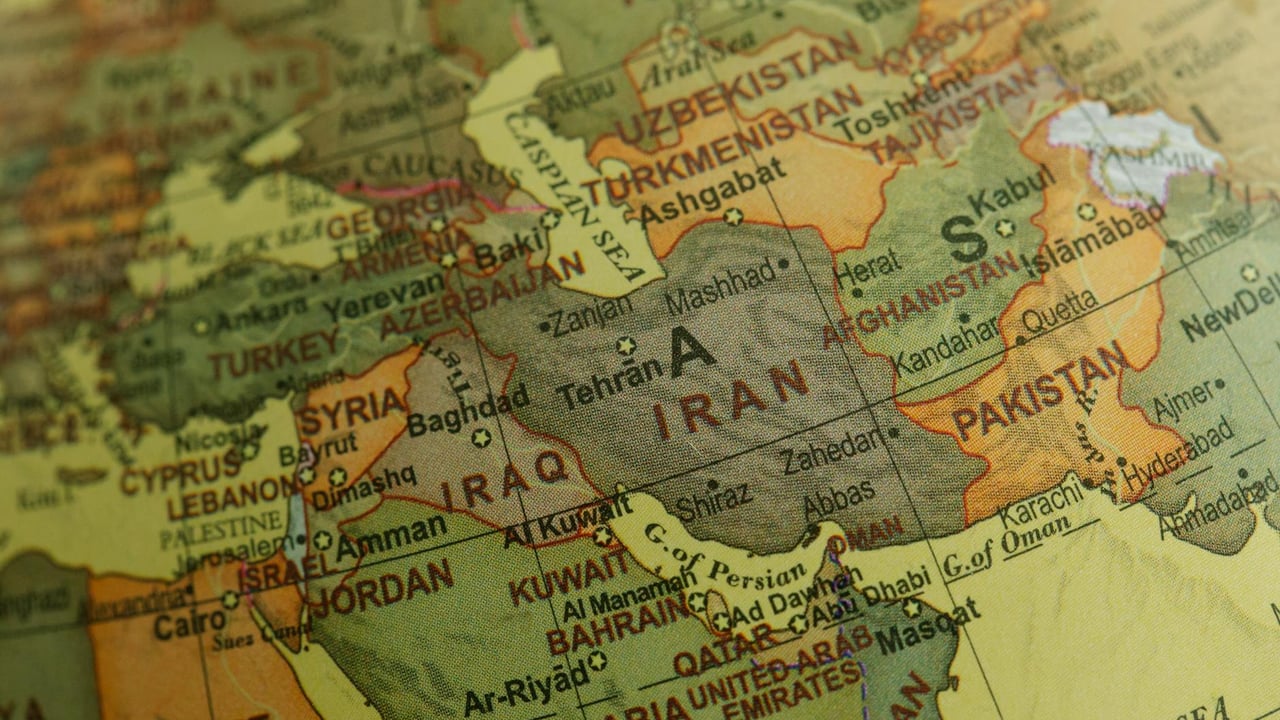

The geopolitical temperature in the Middle East has surged following a significant diplomatic signal from Jerusalem and Washington. Israeli Prime Minister Benjamin Netanyahu and U.S. President Donald Trump held a high-stakes telephone consultation on Sunday to deliberate the resumption of military operations against Iran. The thirty-minute conversation marks a pivot toward a more aggressive posture regarding Tehran’s regional activities and nuclear program.
According to senior Israeli officials, the dialogue focused specifically on the tactical feasibility of renewed hostilities. Should the United States decide to transition back to a kinetic military strategy, the two nations are reportedly planning a coordinated campaign of joint airstrikes. This alignment suggests a tightening of the military alliance that had previously defined the 'Maximum Pressure' era of U.S.-Iran relations.
For Prime Minister Netanyahu, the opportunity to synchronize with a second Trump administration represents a strategic window to address what he views as an existential threat. The potential for joint operations indicates that both leaders may be losing patience with traditional diplomatic containment and sanctions. Such a move would likely target Iranian military infrastructure and proxy network nodes across the Levant.
The prospect of an escalating conflict carries profound implications for global energy markets and regional stability. Any direct military engagement between the U.S.-Israel coalition and Iran risks triggering a wider regional war involving non-state actors in Lebanon and Yemen. As Washington signals a return to hard-power solutions, the international community must now brace for a period of heightened volatility in the world's most sensitive corridor.