

Beijing’s economic performance through the first four months of the year reveals a starkly divided landscape. On one side, the industrial engine is firing on all cylinders, driven by a strategic pivot toward high-tech manufacturing and the so-called 'New Three' industries. On the other, the persistent shadow of a cooling property market and cautious domestic spending continues to temper the celebratory tone of official statistics.
Industrial output rose by a robust 5.6% in the January-April period, with high-tech manufacturing outpacing the broader sector by growing an impressive 12.6%. The production of 3D printing equipment, lithium-ion batteries, and industrial robots surged by 50.9%, 36.0%, and 25.7% respectively. This reflects the central government's 'New Productive Forces' mandate, aimed at upgrading the national value chain and securing technological self-reliance.
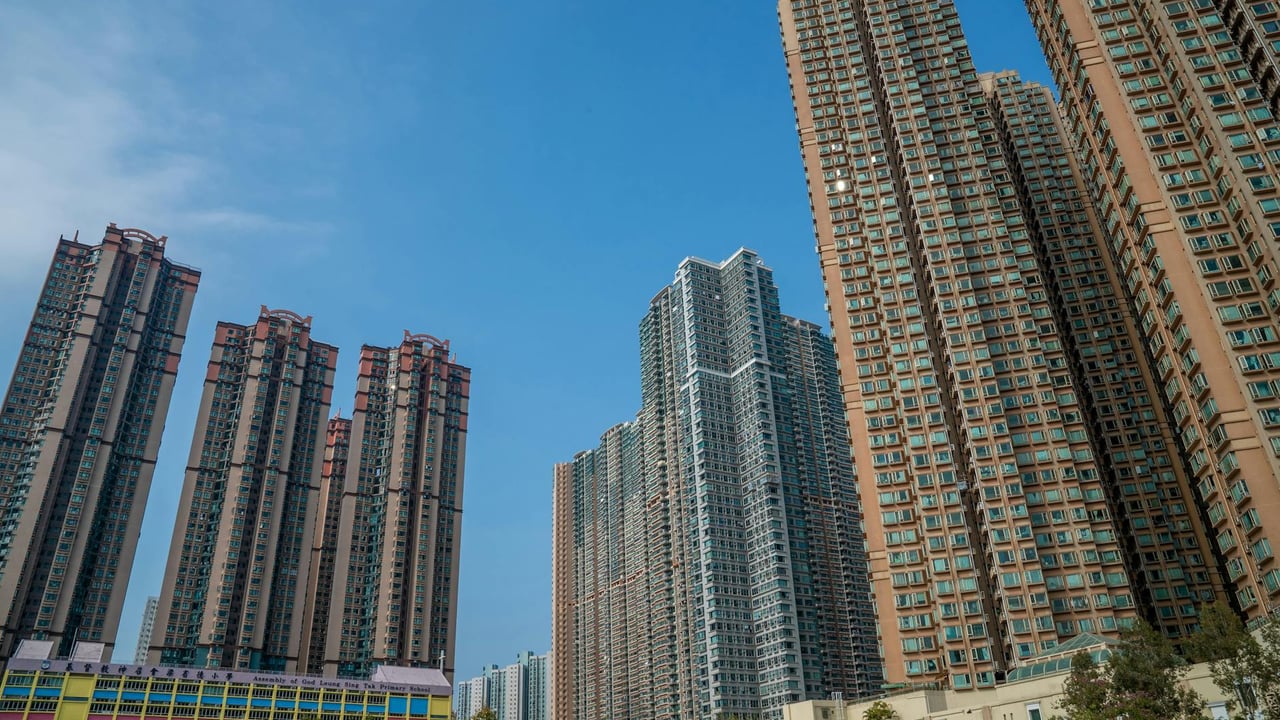
However, the structural crisis in the real estate sector remains the economy's primary anchor. Property development investment plunged 13.7% year-on-year, dragging total fixed-asset investment into negative territory at -1.6%. While infrastructure and manufacturing investment showed resilience, they were unable to fully offset the massive contraction in the housing market, where sales volume and value both recorded double-digit declines, highlighting a deep-seated lack of confidence among homebuyers.
On the consumer front, a 'supply-strong, demand-weak' dynamic is becoming increasingly entrenched. While service-sector activity and online retail showed healthy gains, overall social retail sales grew by a modest 1.9%. The discrepancy suggests that while Chinese consumers are willing to spend on digital services and travel, they remain hesitant to commit to major physical purchases amid a deflationary environment and lingering uncertainty over future income growth.