A Fragile Floor: Tier-1 Cities Lead China’s Tentative Property Rebound

Data for April 2026 shows that China's Tier-1 cities are beginning to see a recovery in home prices, led by a 0.4% rise in the secondary market. While top-tier hubs stabilize, smaller cities continue to see price declines, albeit at a slower pace than previous months.

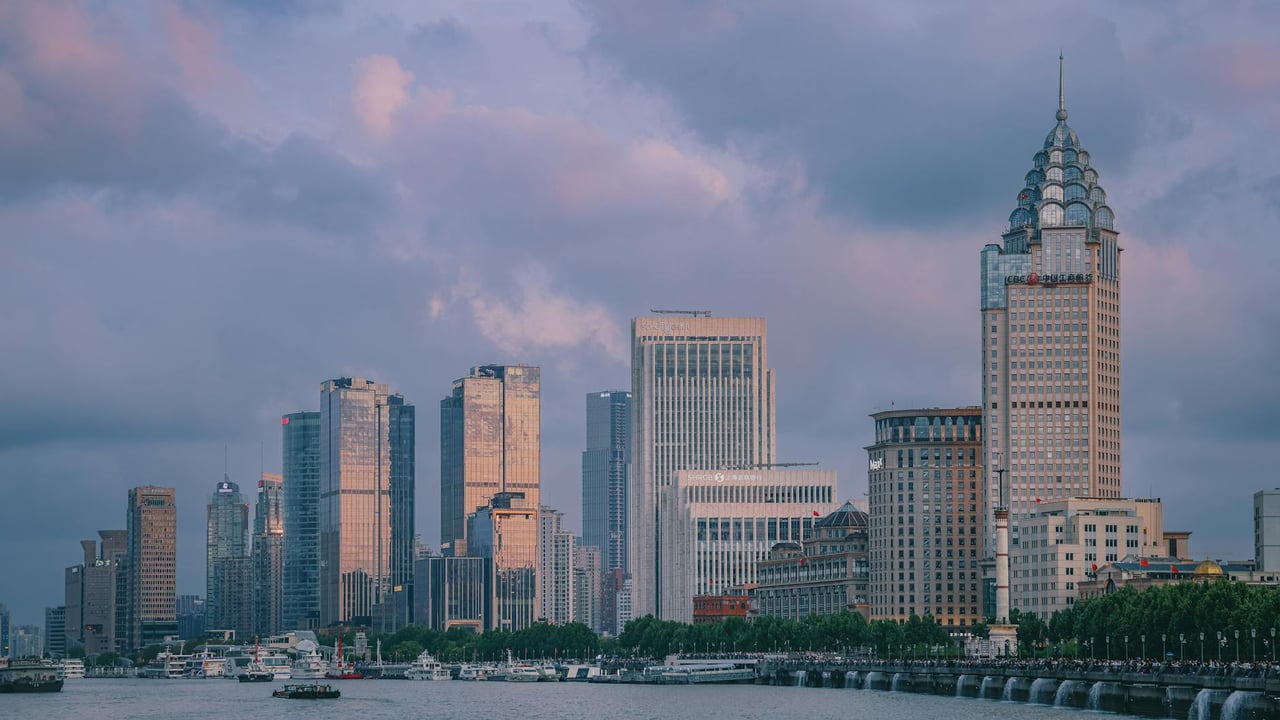
View of Shanghai's modern skyline at twilight with tall skyscrapers and vibrant clouds.

Key Takeaways

  • 1Tier-1 cities saw new home prices rise 0.1% and secondary home prices rise 0.4% month-on-month in April 2026.
  • 2Shanghai remains the strongest performer nationally, with new home prices up 3.7% year-on-year.
  • 3Tier-2 and Tier-3 cities are still seeing price declines, though the pace of these drops is beginning to stabilize or narrow.
  • 4The total number of cities among the 70 monitored that reported price stability or growth increased to 21 for new homes.

Editor's
Desk

Strategic Analysis

The divergence between China's 'super-prime' hubs and its provincial cities is reaching a critical inflection point. This 'Tier-1 first' recovery is a double-edged sword for policymakers; it validates recent stimulus efforts but highlights a persistent flight to quality and liquidity. Investors and middle-class families are increasingly treating property not as a broad asset class, but as a selective one, concentrating capital in cities like Shanghai where economic moats are deepest. Until this confidence trickles down to the Tier-2 and Tier-3 cities that house the bulk of China's population and local government debt, the systemic risk to the broader financial system remains a primary concern for the central leadership.

China Daily Brief Editorial
Strategic Insight
China Daily Brief

China’s beleaguered property sector is showing glimmers of life, specifically in the country’s four powerhouse metropolises. Data from April 2026 suggests that the deep freeze in the real estate market might finally be thawing at the top end, as Tier-1 cities—Beijing, Shanghai, Guangzhou, and Shenzhen—recorded a marginal uptick in month-on-month sales prices for residential properties.

While the headline 0.1% increase in new home prices across these top-tier cities seems minuscule, it marks a significant psychological shift for a market that has spent years in the doldrums. The secondary market, often a more accurate barometer of real demand and sentiment, performed even more strongly, with prices in Tier-1 hubs rising by 0.4%. This suggests that the aggressive policy easing measures implemented by Beijing are beginning to take root where the economy is most resilient.

However, the recovery remains decidedly top-heavy. In Tier-2 and Tier-3 cities, the narrative is one of damage control rather than growth. While the rate of decline in these smaller urban centers is narrowing—suggesting the market might be approaching a structural bottom—they continue to grapple with oversupply and weaker demographic fundamentals compared to their Tier-1 counterparts.

A look at the year-on-year data reveals the scale of the climb still ahead for the world's second-largest economy. Despite the monthly gains, Tier-1 new home prices are still 2.1% lower than they were a year ago, with Shenzhen and Guangzhou nursing significant annual losses. Shanghai stands as a genuine outlier in this data set, posting a robust 3.7% annual gain that underscores its unique status as China’s premier financial sanctuary.

Share Article

Related Articles

📰
No related articles found