

China’s industrial engine provided a split narrative in April, as newly released data from the National Bureau of Statistics (NBS) reveals a surge in power generation contrasted against a sharp contraction in oil refining. Total electricity output rose by 2.6% year-on-year to 744 billion kilowatt-hours, picking up pace from March. This acceleration suggests a resilient baseline for industrial activity, even as specific sectors of the energy market face significant headwinds.
The electricity sector’s growth was largely buoyed by a spectacular 12.2% jump in hydroelectric power, reflecting a strategic shift toward utilizing seasonal water resources. Conversely, thermal power and solar energy witnessed a deceleration in growth, while wind and nuclear power remained in negative territory despite narrowing their declines. This mixed performance underscores the ongoing volatility in China’s transition toward a greener energy mix and the seasonal dependencies of its renewable infrastructure.
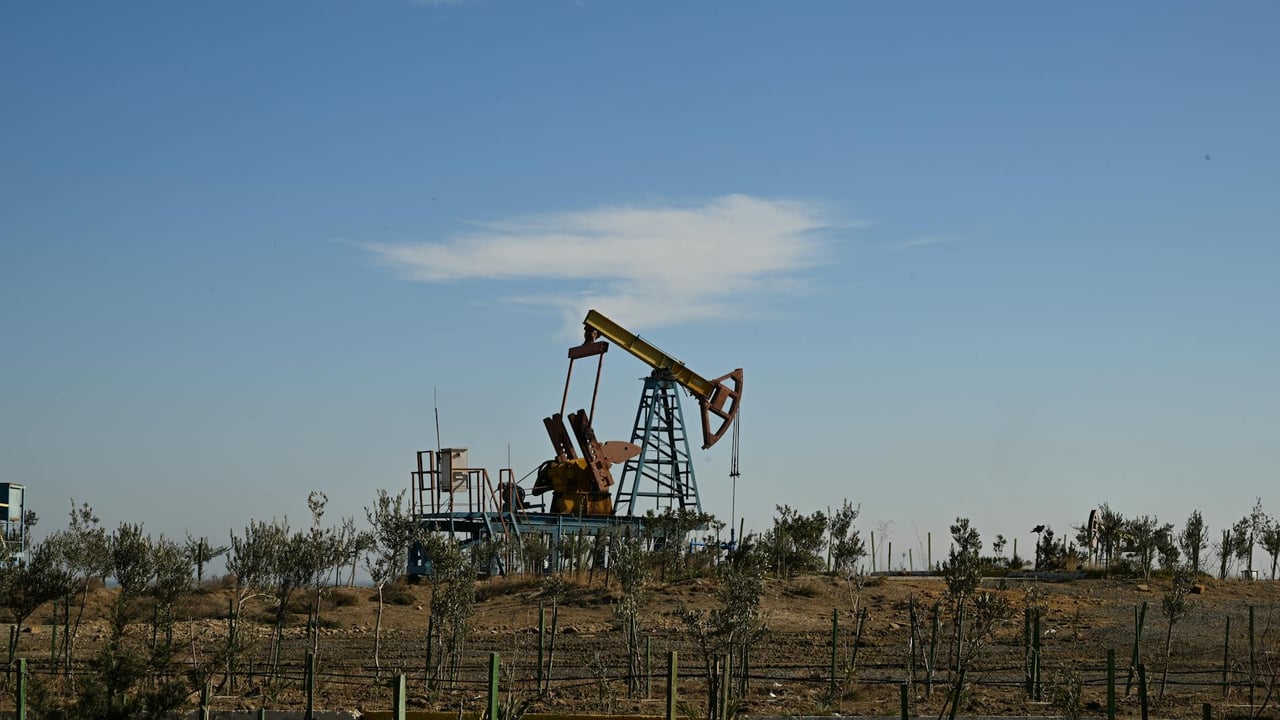
While primary energy production remained relatively stable—with crude oil output growing by 1.2% and natural gas by 1.9%—the downstream refining sector signaled distress. Crude oil processing volumes plunged by 5.8% in April, a significant widening of the decline seen in previous months. This suggests that while China is successfully maintaining its upstream energy security, domestic demand for refined products like diesel and gasoline remains tepid, likely due to a combination of a slowing construction sector and the rapid adoption of electric vehicles.
Coal production, the traditional bedrock of the Chinese economy, saw a marginal year-on-year decrease of 1.0%, totaling 390 million tons for the month. This stabilization at high levels indicates that Beijing is prioritizing energy self-sufficiency and grid stability over aggressive decarbonization targets in the short term. However, the overall data reflects an economy in transition, where traditional industrial processes are cooling while electrical demand remains high to support the nation’s technological and manufacturing ambitions.