The PLA’s Low-Tech Hedge: Why China Preserves Its Last Military Pigeon Unit

While modernizing its high-tech capabilities, the PLA maintains a single specialized unit for training military pigeons as a low-tech backup for communication. This strategy provides a resilient, un-jammable alternative to digital systems during high-intensity electronic warfare.

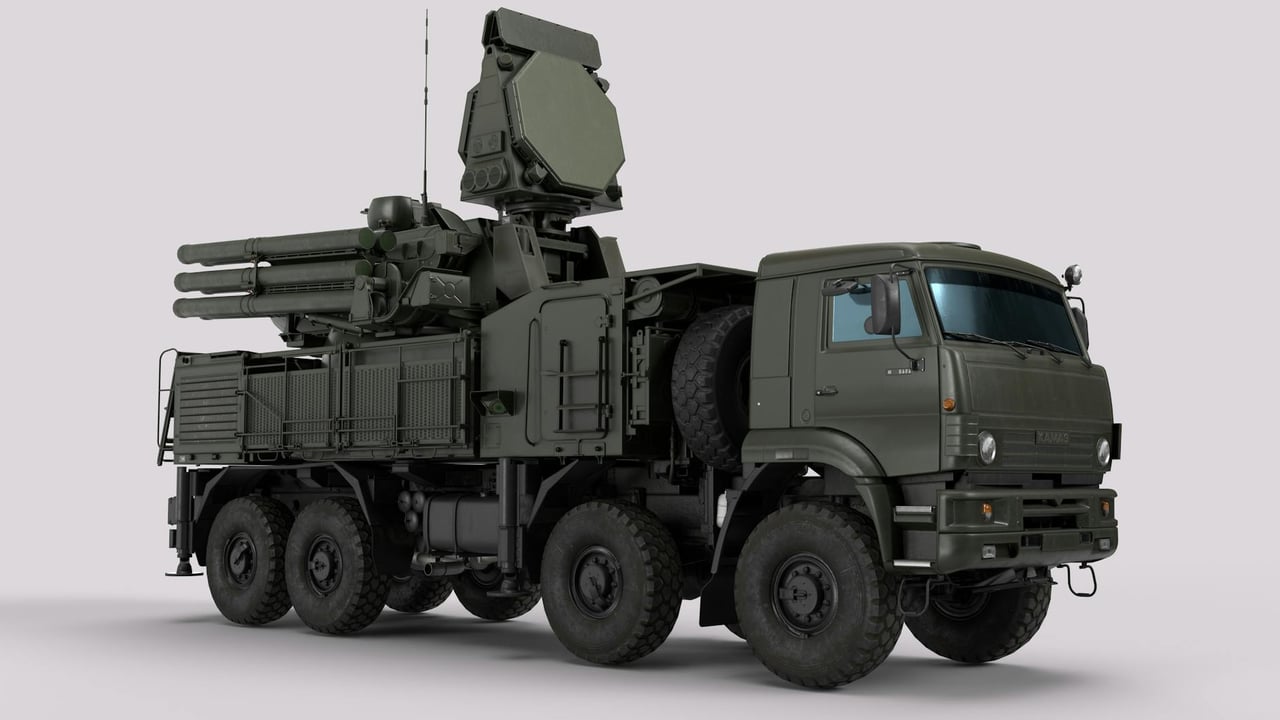
Detailed image of a military vehicle equipped with advanced radar and weaponry systems.

Key Takeaways

  • 1The PLA currently maintains only one active unit dedicated to the breeding and training of military carrier pigeons.
  • 2The unit serves as a critical redundancy measure in the event of total electronic communication failure or satellite jamming.
  • 3Pigeons are valued for their ability to operate with zero electronic signature, making them immune to modern signal interception.
  • 4Training is rigorous and takes place in difficult terrain to ensure the birds can navigate under extreme environmental stress.
  • 5The unit represents a strategic 'insurance policy' within China’s broader military modernization framework.

Editor's
Desk

Strategic Analysis

The preservation of a military pigeon unit is a fascinating case study in the PLA's 'dual-track' modernization strategy. While Western militaries have almost entirely divested from biological couriers, China views them through the lens of 'Assymmetric Parity.' In a potential conflict where space-based assets and the electromagnetic spectrum are contested, the side that can still communicate—however slowly—retains a command advantage. This unit is less about nostalgia and more about a cold, calculated recognition of the vulnerabilities inherent in the 'Internet of Things' on the battlefield. It suggests that Chinese planners are preparing for 'dark' scenarios where the digital fog of war is absolute.

China Daily Brief Editorial
Strategic Insight
China Daily Brief

As the People’s Liberation Army (PLA) pours billions into hypersonic glide vehicles, quantum encryption, and artificial intelligence, a small unit tucked away in the rugged terrain of Southwest China remains dedicated to an ancient craft. This specialized force is the PLA’s final remaining military pigeon unit, a relic of the past that is increasingly viewed as a vital backup for the future of informationized warfare.

The existence of such a unit might appear anachronistic in an era defined by satellite communications and 5G networks. However, Chinese military strategists argue that the more sophisticated a communication system becomes, the more vulnerable it is to sophisticated disruption. In a high-intensity conflict involving electromagnetic pulses (EMP) or total satellite jamming, the humble carrier pigeon offers a 'near-zero' electronic signature that cannot be intercepted by cyber-warfare tools.

Historically, the training of these birds in China has been concentrated in the Kunming area, leveraging the region's complex topography and unpredictable weather to toughen the avian couriers. The current unit focuses on 'five-skill' training: breeding, nurturing, training, medical care, and specialized deployment. These birds are not merely pets but are treated as biological assets capable of traversing hundreds of kilometers to deliver critical intelligence when digital channels go dark.

This commitment to 'primitive' redundancy reflects a broader Chinese military philosophy of asymmetric preparedness. By maintaining a capability that adversaries have largely phased out, the PLA ensures a layer of resilience in extreme environments like the Himalayas or the South China Sea. While the digital age has relegated the pigeon to the sidelines, the PLA maintains this 'feathered army' as a final insurance policy against the fragility of modern silicon-based connectivity.

Share Article

Related Articles

📰
No related articles found