China’s Commercial Space Sector Hits Industrial Milestone with 100th Satellite Launch

China's commercial space sector has reached a pivotal milestone with CAS Space launching its 100th satellite, signaling a shift toward mass-produced, high-frequency launch operations. This industrialization is essential for China to secure limited orbital resources and compete in the global LEO constellation race.

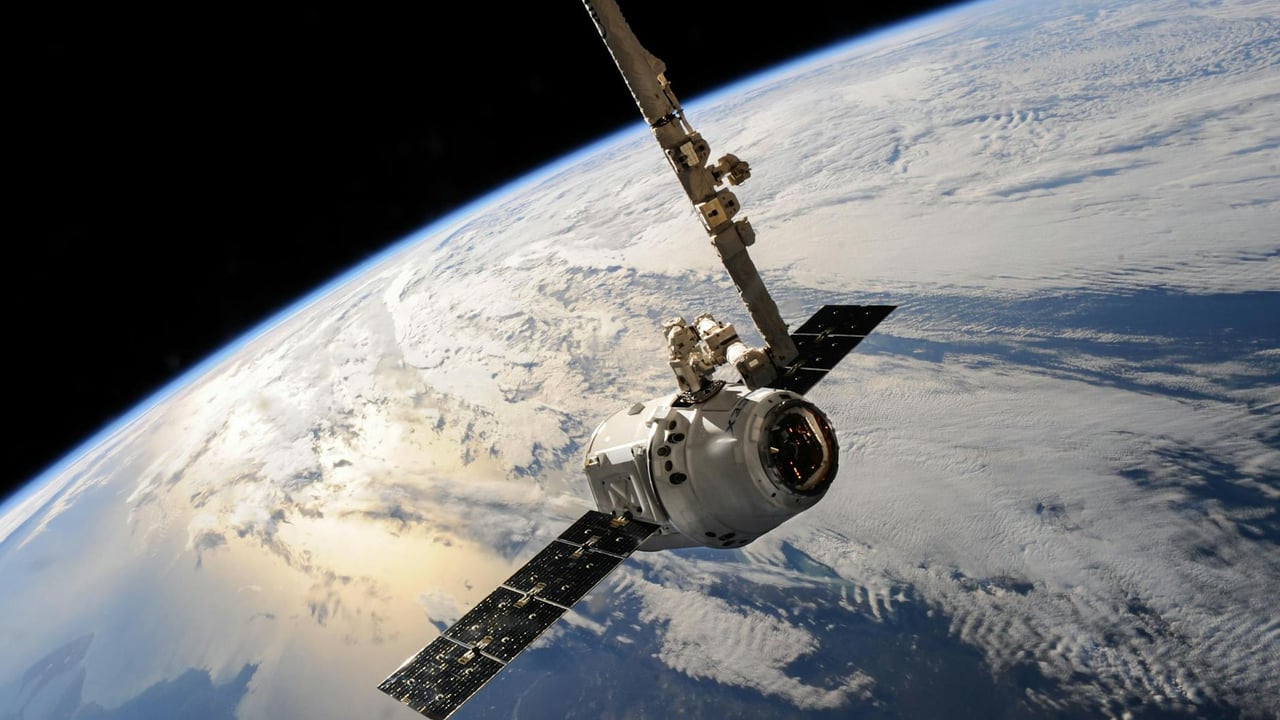
A satellite glides over Earth showcasing dramatic cloud formations and the vast expanse of space.

Key Takeaways

  • 1CAS Space has become the first Chinese private rocket firm to reach the 100-satellite milestone, validating the commercial sector's growth.
  • 2The industry is pivoting from experimental 'one-off' launches to standardized, 'industrialized' high-frequency delivery systems.
  • 3Global competition for LEO orbital slots and ITU 'use-it-or-lose-it' rules are forcing a dramatic acceleration in China's launch cadence.
  • 4Adoption of automotive-style 'pulse production' and solid-fuel technology enables a potential 'one launch per week' capacity.
  • 5This shift is critical for supporting China's strategic plans for massive satellite constellations and its future 6G and remote sensing infrastructure.

Editor's
Desk

Strategic Analysis

While Western media focus predominantly on SpaceX, China is quietly building a parallel ecosystem of commercial launch providers that mirror the American private-sector model. Reaching the 100-satellite mark is a psychological and operational breakthrough for Beijing, suggesting that the 'New Space' era in China has moved past the venture-capital-funded hype stage into tangible industrial output. The strategic significance is clear: by moving toward standardized, solid-fuel, mass-produced rockets, China is effectively bypassing the bureaucratic bottlenecks of its traditional state-owned aerospace giants. This allows the CCP to more aggressively claim orbital real estate in LEO, directly challenging Starlink’s dominance and securing the 'high ground' for future global communication networks and autonomous infrastructure.

China Daily Brief Editorial
Strategic Insight
China Daily Brief

On May 18, 2026, China’s commercial space sector crossed a significant threshold as CAS Space (Zhongke Yuhang) celebrated its 100th satellite launch. This milestone, achieved via the Lijian-1 rocket series, signals more than just a successful mission; it marks the transition of the nation's private space industry from experimental verification to high-density, low-cost industrial delivery.

For years, the bottleneck of the Chinese space program was not a lack of ambition, but the inability to manufacture and launch at scale. Traditional launches were treated as bespoke scientific endeavors, often requiring months of preparation and meticulous, one-off assembly. The rise of CAS Space suggests that China is finally adopting the assembly-line philosophy that has allowed global leaders like SpaceX to dominate the commercial market.

This industrial shift is driven by an urgent geopolitical and commercial imperative: the race for Low Earth Orbit (LEO) spectrum and orbital slots. Under international rules, orbital resources are allocated on a first-come, first-served basis. China’s recent filing for over 200,000 satellites highlights a massive strategic push that necessitates a launch frequency the state-owned sector alone cannot sustain.

To meet this demand, companies like CAS Space are re-engineering the rocket from a scientific handicraft into a mass-produced industrial product. By utilizing pulse-style production lines similar to those used in the automotive industry, the company has developed the capacity to produce 30 rockets annually. This capability is essential for deploying the massive constellations required for satellite internet, remote sensing, and the burgeoning low-altitude economy.

The Lijian-1’s success also relies on technical pragmatism, utilizing solid-fuel engines that allow for long-term storage and rapid response. Unlike traditional liquid-fueled rockets that require lengthy fueling windows, these solid-propellant vehicles can be launched on much shorter notice. This on-demand launch capability is the final piece of the puzzle for China’s goal of creating a resilient, scalable space infrastructure.

Share Article

Related Articles

📰
No related articles found