
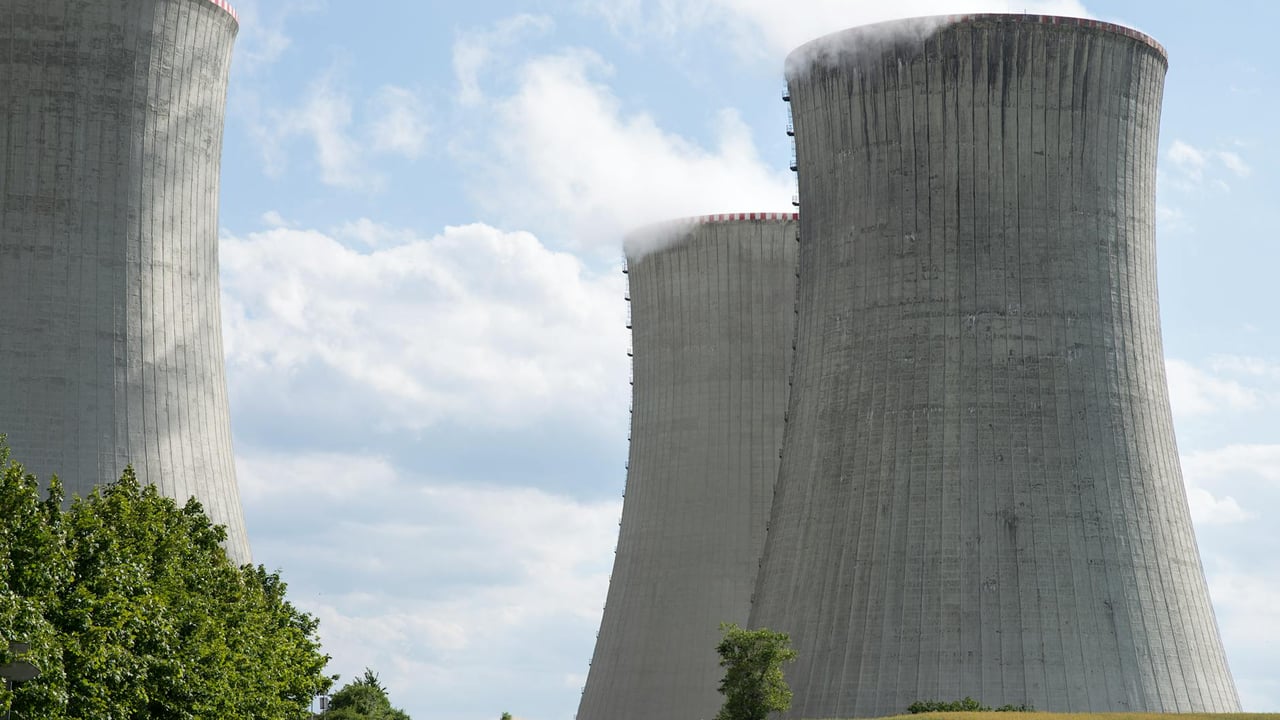

A drone strike on the United Arab Emirates’ Barakah nuclear power plant on Sunday has ignited new fears of a region-wide escalation. While UAE authorities confirmed that the attack caused no casualties or radioactive leaks, the targeting of a critical energy asset marks a significant breach of regional security thresholds. The incident occurred amidst a deteriorating security landscape characterized by a precarious standoff between Washington, Tehran, and Jerusalem.
Preliminary reports from the UAE Ministry of Defense indicate that three drones crossed into Emirati airspace from the western border with Saudi Arabia. Although two were successfully intercepted by air defense systems—reportedly bolstered by Israeli technology—a third drone managed to strike the facility’s periphery, triggering a fire at a generator. The International Atomic Energy Agency (IAEA) confirmed that while one reactor switched to emergency diesel power, all units remained operationally secure.
The attack follows a period of intense military activity, including a joint U.S.-Israeli strike on Iranian targets in late February 2026. This operation effectively ended a fragile ceasefire and set the stage for the current cycle of brinkmanship. In response to the latest developments, U.S. President Donald Trump issued a stern warning via social media, suggesting that time is running out for Tehran to seek a negotiated settlement or risk total loss.
Tehran’s response has been equally defiant, with military advisors to the Supreme Leader stating that Iranian forces remain ready for combat even as back-channel diplomacy continues. State television in Iran has intensified its war mobilization rhetoric, featuring anchors receiving weapons training during live broadcasts. These domestic displays of militarism suggest a regime preparing its public for the possibility of a direct, large-scale confrontation rather than limited proxy skirmishes.
The Barakah plant is a $20 billion cornerstone of the UAE’s energy strategy, providing nearly 25 percent of the nation’s electricity. Unlike the opaque nuclear programs of its neighbors, the UAE’s facility is governed by the '123 Agreement' with the United States, which strictly prohibits domestic uranium enrichment. This strategic choice was intended to prevent regional proliferation, yet it has not shielded the plant from becoming a high-stakes target in the current shadow war.