
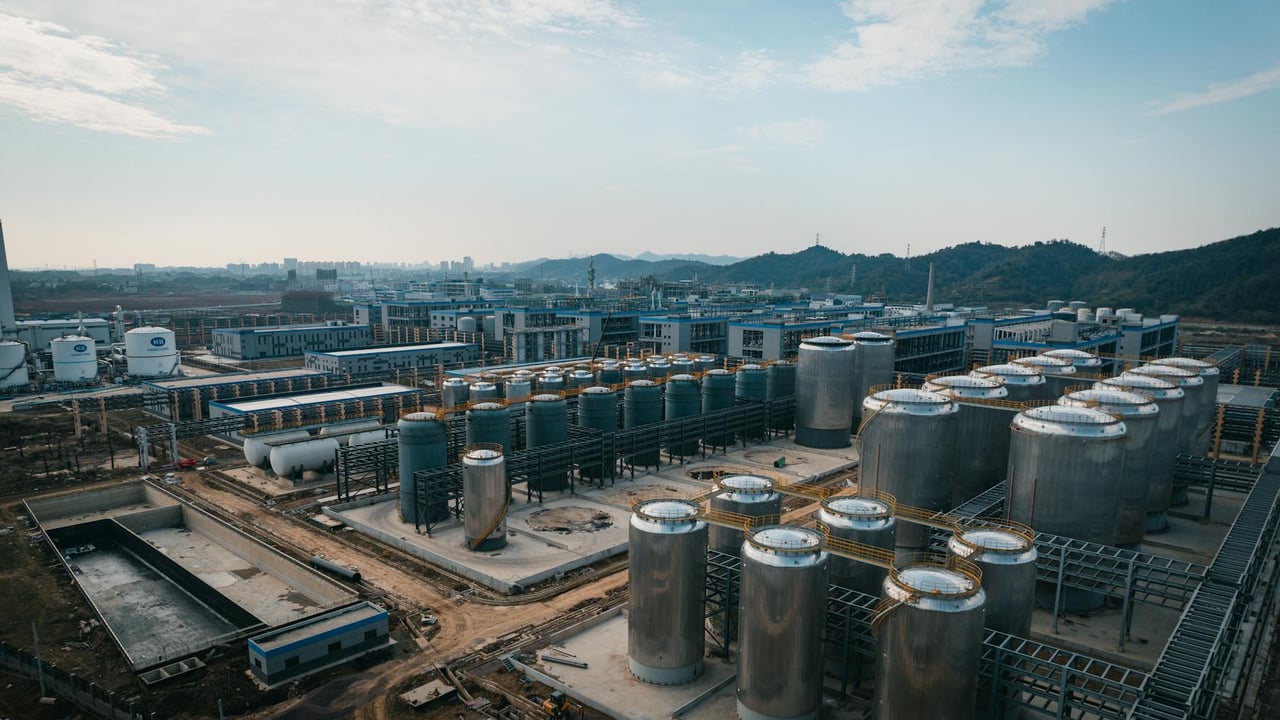

Official data for the first four months of the year reveals a Chinese economy operating at two distinct speeds. While Beijing’s drive toward 'new quality productive forces' has ignited a surge in high-tech manufacturing, the domestic consumer remains stubbornly cautious. The National Bureau of Statistics (NBS) reported that industrial added value grew by 5.6% year-on-year, driven by a staggering 12.6% jump in high-tech sectors and a 50.9% spike in 3D printing equipment production.
However, this industrial engine is laboring against the gravity of a protracted real estate crisis and tepid internal demand. Total fixed-asset investment fell by 1.6% during the January-April period, dragged down primarily by a 13.7% collapse in property development investment. This divergence underscores the government's strategy of doubling down on supply-side innovation to offset the structural decline of the traditional housing-led growth model.
Consumer behavior remains the primary missing piece of the recovery puzzle. Retail sales of consumer goods rose by a modest 1.9% overall, though April saw a sharp deceleration to just 0.2% growth. While service-related spending in tourism and catering showed resilience, the appetite for big-ticket items and general merchandise appears constrained by low confidence and a shifting labor market.
Foreign trade provided a necessary vent for China’s massive industrial output, with exports rising 11.3% in the first four months. The dominance of machinery and electronic products in the export mix suggests that China is successfully pivoting its trade profile toward higher-value goods. Yet, as internal demand lags behind production, the risk of intensifying trade frictions with global partners over excess capacity remains a looming concern for policymakers.