
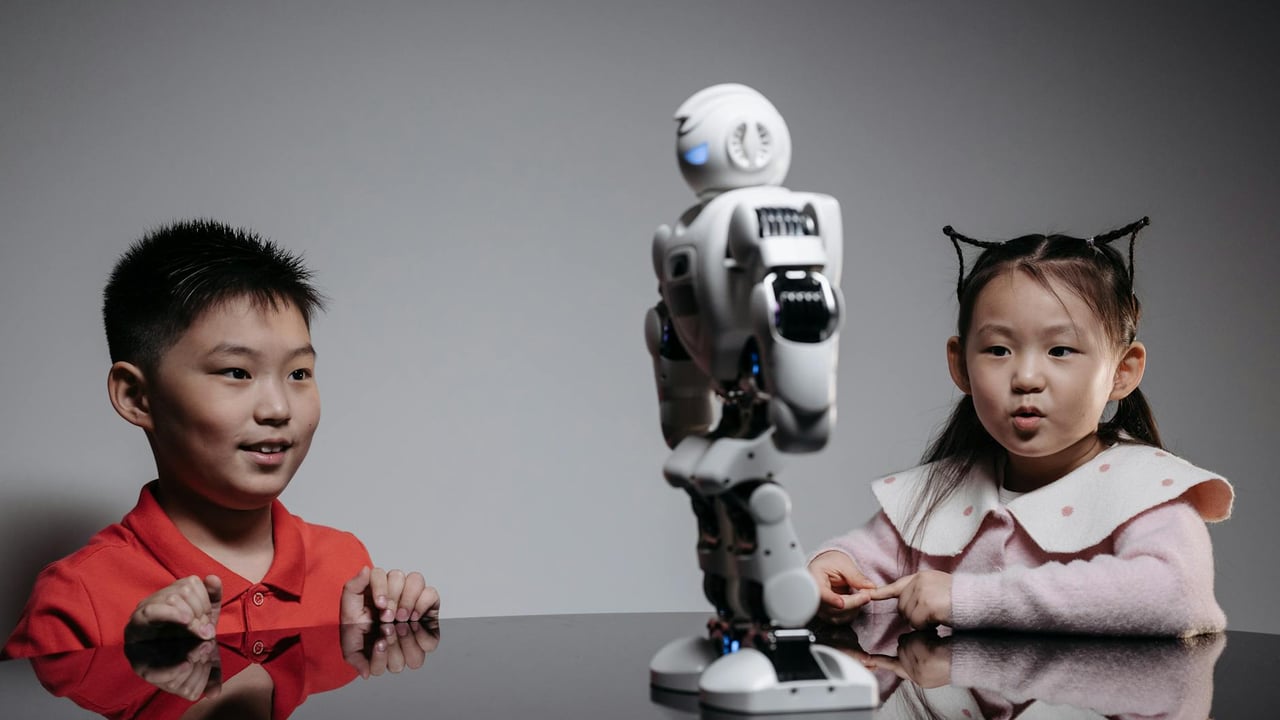

Chinese Premier Li Qiang’s recent high-profile inspection of Beijing’s technology hubs marks a significant escalation in the nation’s drive to dominate the intersection of artificial intelligence and physical manufacturing. By visiting the Beijing Humanoid Robot Innovation Center and Xiaomi’s automotive facilities, the Premier underscored a strategic pivot toward 'embodied AI,' where software intelligence meets advanced hardware. This movement is a cornerstone of the 'New Quality Productive Forces' doctrine, a policy framework designed to transition the Chinese economy from labor-intensive growth to high-tech, self-reliant innovation.
During the visit, Li identified humanoid robots as the ultimate carrier for integrating Large Language Models (LLMs) with high-end manufacturing and cutting-edge materials. He emphasized that these machines are not merely tools but are becoming critical components of the industrial ecosystem that will redefine production modes. To support this, the Premier called for the creation of 'high-level data training grounds' and breakthroughs in key components like intelligent control systems, signaling that the government will provide the infrastructure necessary for private and state-run firms to iterate rapidly.
Addressing the competitive global landscape, Li stressed that the true vitality of technology lies in its application across China’s vast internal market. He urged government departments and state-owned enterprises to open their doors to new technologies, providing the real-world scenarios needed for 'middle-testing' and validation. By utilizing the country’s complete industrial chains and massive market scale, Beijing aims to create a feedback loop where practical application drives technical refinement, particularly in the automotive and robotics sectors.
Finally, the Premier highlighted the 'AI+' initiative as a mandatory upgrade for traditional industries and a catalyst for emerging ones. He called for a shift toward smart manufacturing that prioritizes standardized protocols, specialized talent, and robust security. By encouraging enterprises to lead innovation and increase R&D investment, the central government is positioning the private sector as the vanguard in a race to achieve a systemic leap in China’s overall industrial capabilities.