
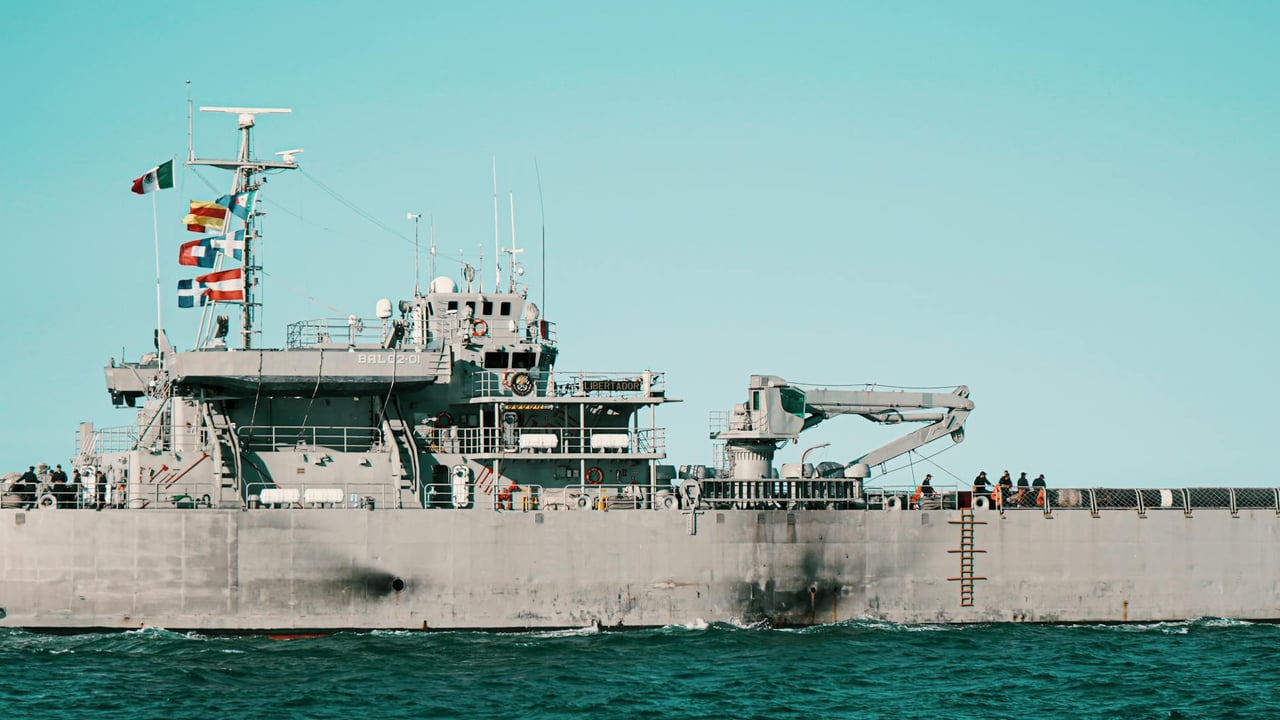

For nearly three months, a crew of merchant sailors lived in the shadow of violence, held captive by pirates in increasingly treacherous international waters. Their ordeal finally came to a conclusion this week when a vessel from the People’s Liberation Army Navy (PLAN) intercepted the captors, facilitating a rescue that was as much a diplomatic statement as it was a military operation. The emotional response of the crew, many of whom were reportedly moved to tears upon seeing the Chinese ensign, highlights the personal stakes involved in the high-seas drama.
This successful intervention serves as a high-profile validation of China’s long-standing commitment to 'Far Seas' protection. Since 2008, the PLAN has maintained a consistent presence in the Gulf of Aden and other pirate-prone corridors, transitioning from a coastal defense force to a global maritime actor. The 90-day duration of this particular captivity suggests a complex negotiation or a tactical standoff that required sustained naval endurance and intelligence capabilities.
Beyond the immediate humanitarian success, the operation reinforces Beijing’s narrative of being a responsible global power and a provider of 'public security goods.' By securing vital shipping lanes, China is protecting its own massive trade interests while simultaneously challenging the traditional Western monopoly on maritime policing. This move aligns with the broader goals of the Global Security Initiative, which seeks to position China as a lead mediator and protector in international flashpoints.
Domestic coverage of the event has been predictably celebratory, emphasizing the 'motherland's' ability to protect its citizens and interests anywhere in the world. However, for international observers, the significance lies in the proficiency and reach demonstrated by the PLAN. As Beijing continues to build more advanced destroyers and support ships, its capacity to intervene in long-duration hostage situations far from its shores will only grow, fundamentally altering the security architecture of the world's oceans.