
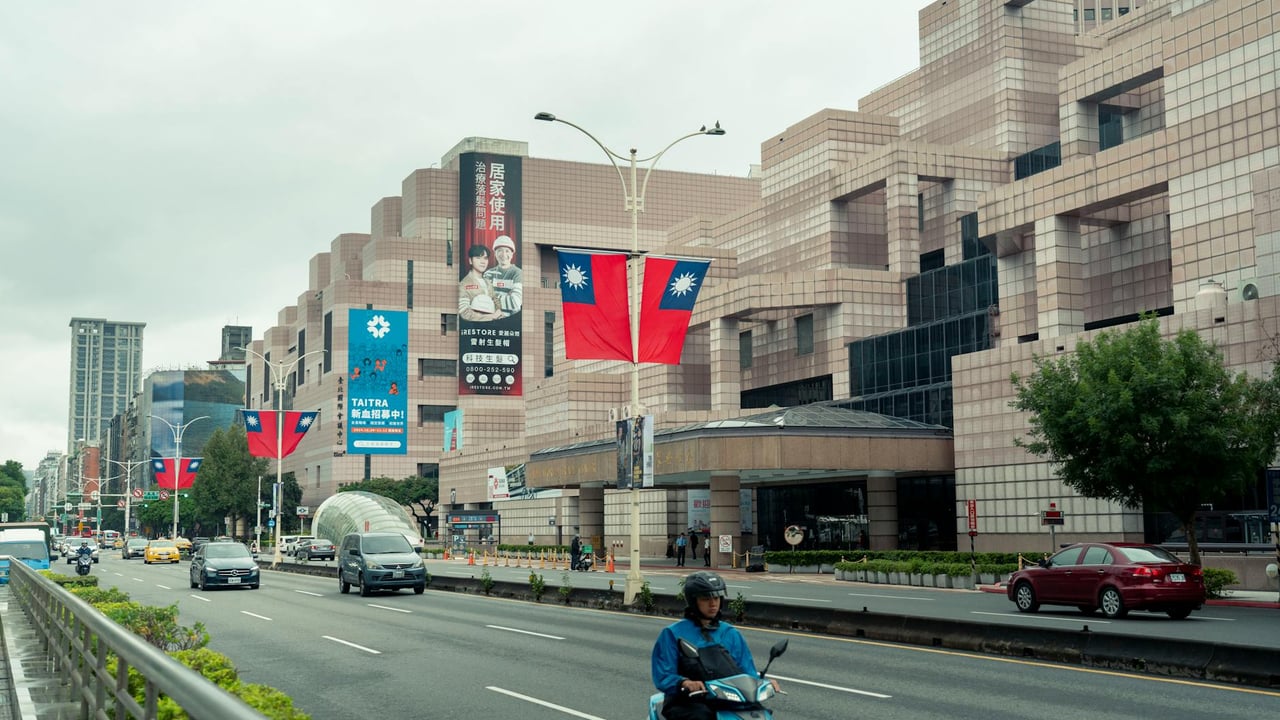

The World Health Assembly’s decision to once again omit Taiwan from its annual proceedings marks a decade of consistent diplomatic frustration for Taipei. Despite a flurry of support from several Western capitals, the bid to include Taiwan as an observer was dismissed before the formal agenda could even begin. This outcome reinforces the hardening lines of global health governance and the institutionalized influence of Beijing within the United Nations system.
For Beijing, the outcome is a choreographed affirmation of its 'One China' principle. The State Council’s Taiwan Affairs Office was quick to capitalize on the news, characterizing the rejection not as a bureaucratic choice, but as a testament to an 'unshakable' international consensus. From China's perspective, the rejection of the proposal for the tenth consecutive year serves as a clear warning against what it terms 'secessionist' activities on the international stage.
This ten-year streak highlights the growing divide between Taiwan’s desire for 'meaningful participation' in specialized agencies and the reality of UN-system politics. While Taipei points to its technical expertise and successful public health track record as justification for its inclusion, Beijing views any such participation as a veiled attempt to normalize Taiwanese sovereignty. The result is a persistent stalemate that prioritizes territorial integrity over technical inclusivity.
The geopolitical math remains stubbornly in Beijing's favor despite vocal advocacy from the G7 and other high-income democracies. The voting bloc of the World Health Assembly—comprising many nations that maintain deep economic ties with China—continues to adhere to the procedural status quo. This effectively isolates Taiwan from the formal mechanisms of the World Health Organization, regardless of its contributions to global medical research.
As the assembly moves forward with its agenda on pandemic preparedness and global health security, the absence of a key regional player like Taiwan remains a contentious footnote. The persistent exclusion raises fundamental questions about whether the principle of 'Health for All' can truly coexist with the rigid constraints of modern diplomacy. For now, the door to the WHA remains firmly closed to Taipei, signaled by a decade of failed resolutions.