
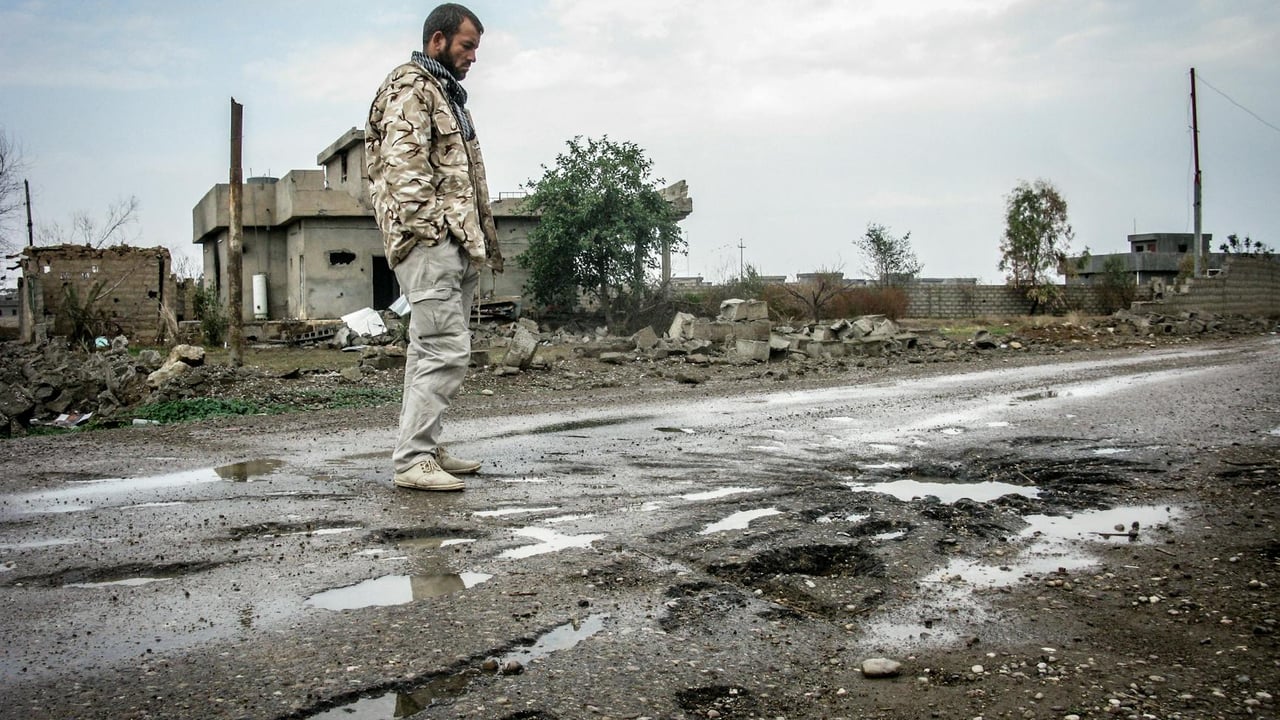

The Iraqi military’s recent declaration regarding its expansive desert territories marks a significant rhetorical shift in the nation’s ongoing struggle for absolute sovereignty. Following extensive reconnaissance operations, Baghdad has officially asserted that no unauthorized foreign military units are operating within its vast, often lawless, western and southern expanses. This strategic clearance suggests a military confident in its own surveillance capabilities and its ability to police the country's most vulnerable geographic gaps.
This statement is more than a simple operational update; it is a calculated response to the persistent domestic and regional pressure regarding the presence of international coalition forces. By claiming full control over its most porous borders, the Iraqi high command is signaling to both domestic critics and neighboring powers that it no longer requires the foreign presence that has defined its security landscape for over two decades. The move is designed to showcase the maturity of the Iraqi Security Forces in a post-ISIS era.
The timing of this announcement is particularly poignant given the heightened tensions between the United States and Iran-aligned factions within Iraq. For years, these desert corridors were the primary sites of counter-insurgency operations against Islamic State remnants, often conducted with significant Western aerial and logistical support. By declaring these areas clear of foreign entities, Baghdad is attempting to reclaim the narrative of territorial integrity while minimizing the justification for militia-led 'resistance' activities.
However, the term 'foreign military forces' carries heavy political weight in the current Iraqi discourse. By explicitly stating their absence, Baghdad aims to deflate the narrative used by paramilitary groups who justify their own extra-judicial status by citing the need to defend against external occupiers. It remains to be seen if this technical assessment of desert occupancy will satisfy the political demands for a complete administrative withdrawal of international advisors.