Echoes of the East Wind: Why China is Revisiting Its First ICBM Milestone

State media has re-released archival footage of China's first ICBM test, the 1980 DF-5 mission, to celebrate national military achievements. The move highlights the historical foundation of China's nuclear deterrent and its evolution into a modern, sophisticated strategic force.

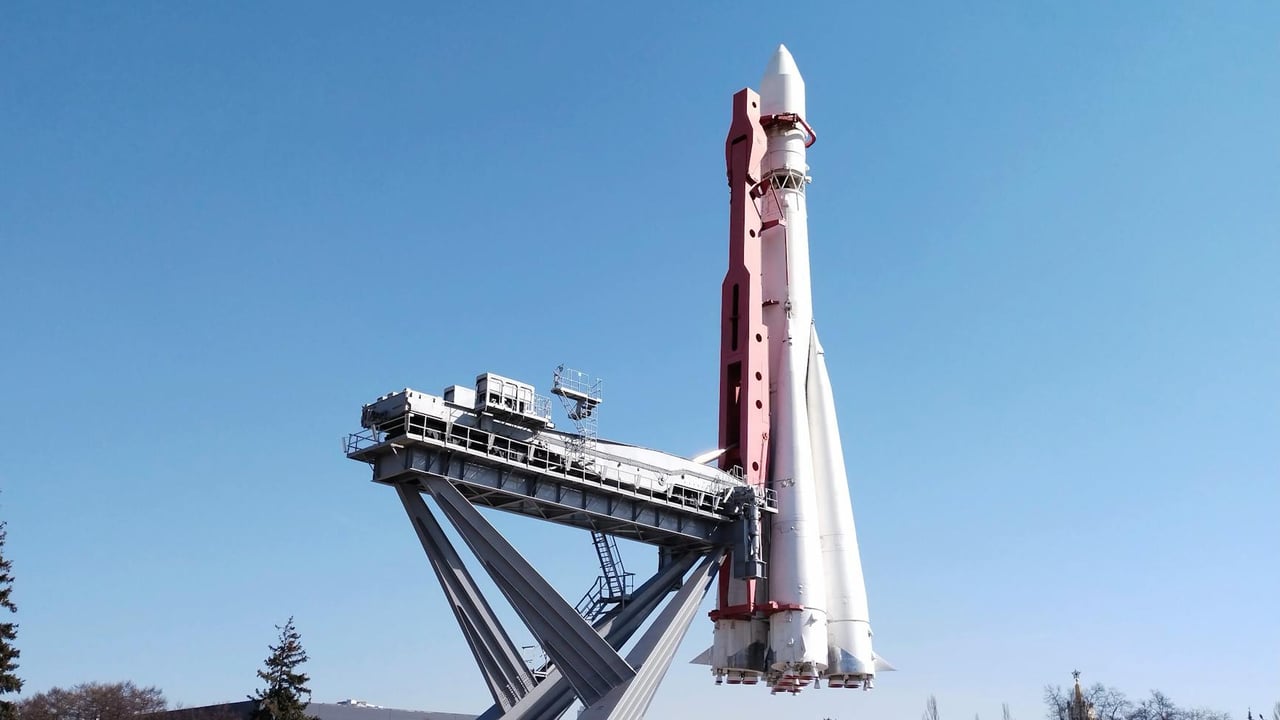
A Soyuz rocket is displayed at Moscow's VDNKh against a clear blue sky.

Key Takeaways

  • 1The 1980 '580' mission was China's first successful full-range ICBM test into the Pacific Ocean.
  • 2The DF-5 missile provided China with its first credible intercontinental nuclear reach during the Cold War.
  • 3State media is utilizing this historical milestone to bolster nationalistic sentiment and emphasize military continuity.
  • 4The retrospective underscores the shift from early liquid-fueled missiles to China's current advanced nuclear triad.

Editor's
Desk

Strategic Analysis

The decision to promote 'high-energy' historical missile footage in 2026 is a calculated exercise in strategic signaling. Historically, China maintained a policy of 'minimal deterrence,' but recent years have seen a shift toward a more robust and survivable nuclear force. By revisiting the DF-5 launch, Beijing is not just celebrating a past achievement; it is legitimizing its current nuclear expansion as the natural evolution of a program that began under far more constrained circumstances. This narrative serves to justify current defense spending and technical modernization to a domestic audience while reminding global rivals that China's status as a top-tier nuclear power is a permanent and hard-won reality.

China Daily Brief Editorial
Strategic Insight
China Daily Brief

The recent re-release of high-definition footage documenting China's first intercontinental ballistic missile (ICBM) launch serves as a potent reminder of the country’s strategic journey. Originally conducted in May 1980, the '580' mission saw a Dongfeng-5 (DF-5) missile traverse the Pacific to a designated splashdown zone. This historic moment marked the point where China effectively broke the nuclear duopoly of the Cold War superpowers.

For the modern viewer in 2026, the resurgence of this 'high-energy' archival material is designed to stir national pride and emphasize technical continuity. The footage highlights the immense logistical effort of the era, involving a massive naval task force sent to the South Pacific to recover the instrument capsule. It remains a foundational mythos for the People’s Liberation Army (PLA) Rocket Force, framing today’s advanced arsenal as the culmination of decades of self-reliance.

Beyond mere nostalgia, the timing of this retrospective aligns with Beijing’s broader efforts to modernize its nuclear posture. While the DF-5 was a liquid-fueled behemoth with long preparation times, its successful test signaled that China could finally hold distant targets at risk. This capability provided the necessary shield behind which the country’s economic reforms of the 1980s and 90s could safely proceed.

By circulating these images now, state media reinforces the narrative of an 'unshakeable' deterrent. As global tensions fluctuate, reminding both domestic and international audiences of the DF-5’s legacy serves as a subtle signal of resolve. It connects the pioneering spirit of the early scientists with the current generation of engineers working on hypersonic glide vehicles and solid-fueled mobile launchers.

Share Article

Related Articles

📰
No related articles found