A Decade of Exclusion: Beijing’s Diplomatic Lockdown of Taiwan at the World Health Assembly

The World Health Assembly has rejected a proposal to include Taiwan in its annual summit for the tenth year in a row, signaling the continued strength of Beijing's 'One China' policy within the UN system. The decision reflects the deep-seated political divide that has prevented Taiwan's participation in global health governance since 2016.

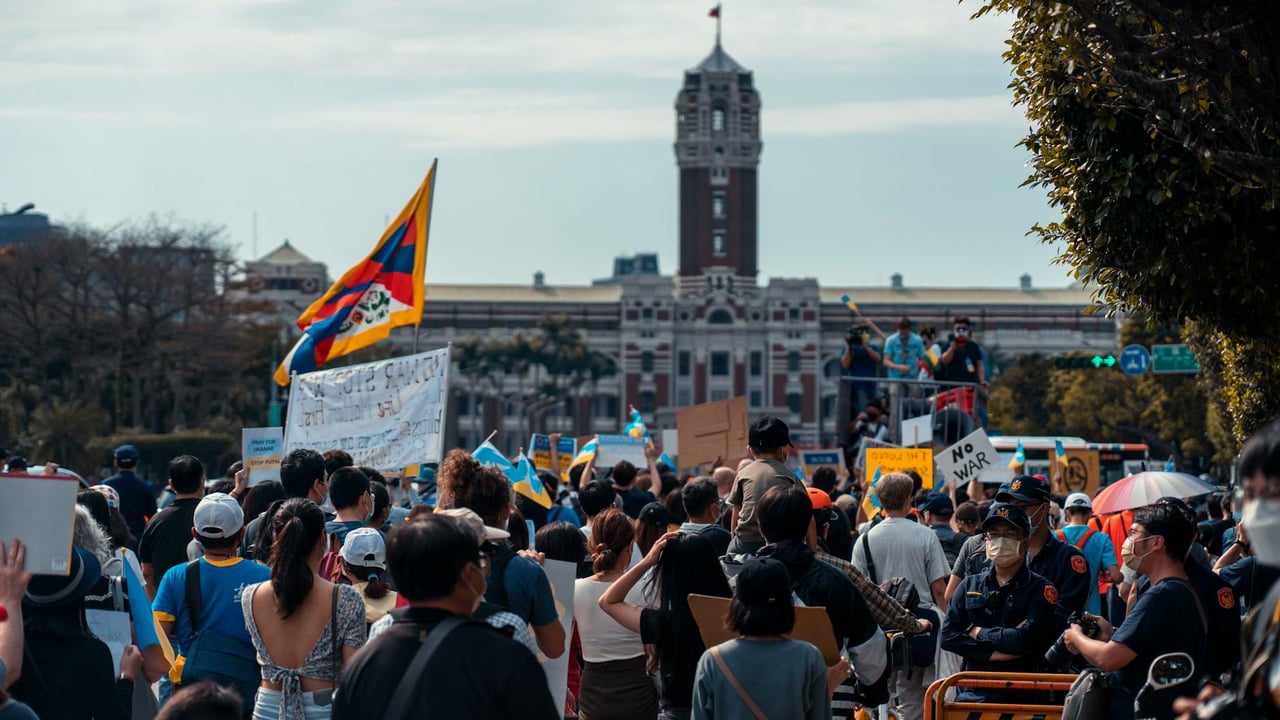
Large crowd protesting near government building with flags and signs in urban setting.

Key Takeaways

  • 1The 2026 World Health Assembly marks a decade since Taiwan was last permitted to participate as an observer.
  • 2Beijing's Taiwan Affairs Office characterized the rejection as evidence that the 'One China' framework is a universal consensus that cannot be challenged.
  • 3Taiwan's exclusion is directly linked to the collapse of the '1992 Consensus' following the DPP's rise to power in 2016.
  • 4Western nations continue to support Taiwan's participation on a technical basis, but have been unable to overcome Beijing's procedural blockages.

Editor's
Desk

Strategic Analysis

The decade-long exclusion of Taiwan from the WHA represents more than a simple diplomatic spat; it signifies the 'new normal' in China’s management of international organizations. By successfully maintaining this blockade for ten years, Beijing has demonstrated that its influence over UN procedural norms is resilient enough to withstand significant pressure from Washington and Brussels. This strategy aims to gradually erode Taiwan’s international personality and force a choice upon the global community: adhere to Beijing’s terms or risk institutional paralysis. Moving forward, as Taiwan's domestic political landscape remains polarized, the WHA will likely remain a primary theater for this 'war of attrition' over sovereignty, with health security concerns remaining secondary to the assertion of national jurisdiction.

China Daily Brief Editorial
Strategic Insight
China Daily Brief

For the tenth consecutive year, the World Health Assembly (WHA) has declined to include a proposal for Taiwan’s participation in its official agenda. This decision, reached during the opening sessions in Geneva, reinforces a diplomatic status quo that has become a perennial ritual of the post-2016 era. The Taiwan Affairs Office in Beijing was quick to frame the outcome as a definitive victory for the 'One China' principle, asserting that the international community’s consensus on the matter remains unshakable.

The exclusion marks a significant departure from the period between 2009 and 2016 when Taiwan attended the summit as an observer under the designation 'Chinese Taipei.' That era of pragmatism ended abruptly with the election of the Democratic Progressive Party (DPP) in Taipei. Since then, Beijing has leveraged its institutional influence within the United Nations system to ensure that any invitation is contingent upon an endorsement of the '1992 Consensus,' a condition the current administration in Taipei refuses to meet.

Despite vocal support from the G7 and other Western nations advocating for Taiwan’s 'meaningful participation' in global health frameworks, the procedural reality at the WHO remains unchanged. Beijing argues that Taiwan’s health needs are sufficiently addressed through existing technical channels, while Taipei maintains that its exclusion creates a dangerous 'blind spot' in global pandemic preparedness. The recurring nature of this rejection suggests that health technicalities have been fully subsumed by high-stakes sovereignty disputes.

As the WHA moves forward with its agenda, the continued sidelining of Taiwan serves as a potent reminder of China’s 'red line' diplomacy. For Beijing, the annual rejection is not merely a procedural win but a demonstration of its ability to define the boundaries of international recognition. For the global health community, it highlights the ongoing tension between universal healthcare goals and the rigid constraints of Westphalian diplomacy.

Share Article

Related Articles

📰
No related articles found