
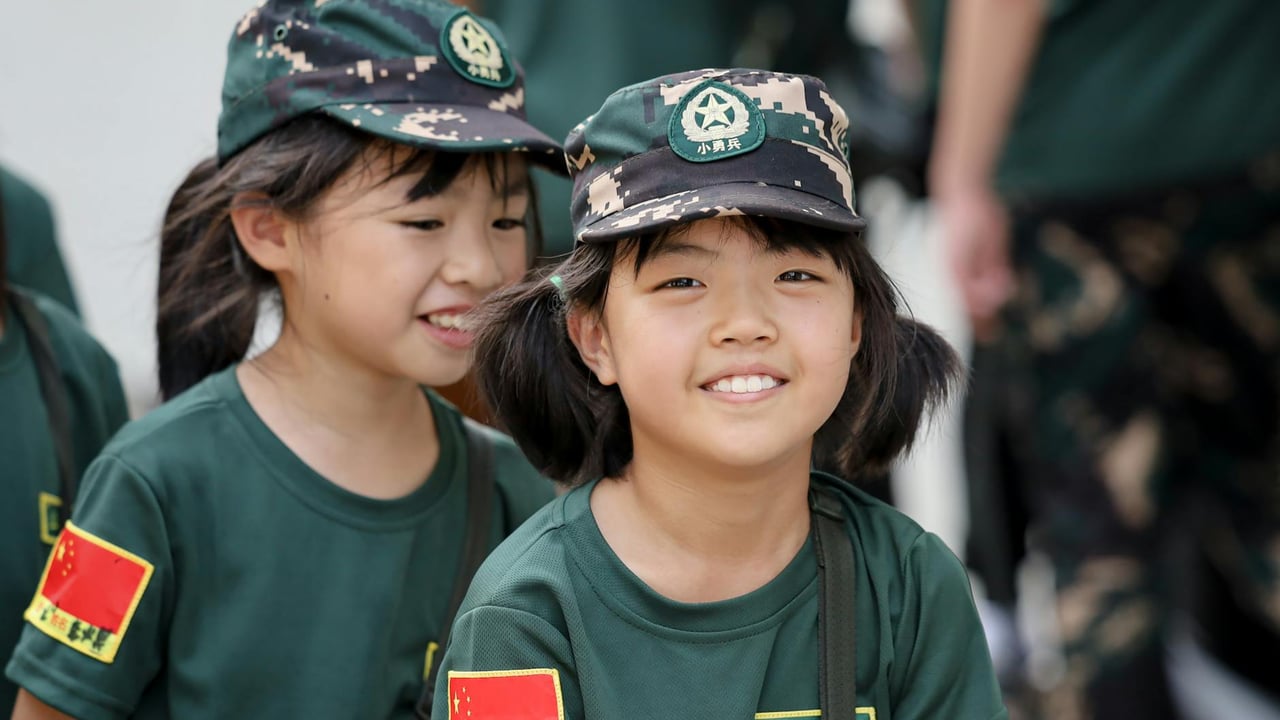

A brief encounter in Beijing has become a viral emblem of the contemporary social contract between the Chinese public and its internal security apparatus. The scene, widely shared across state media platforms including Xinhua, depicts two teenagers offering a formal salute to a member of the People’s Armed Police (PAP). In a move that resonated deeply with domestic audiences, the soldier immediately paused his duties to return the gesture with practiced precision.
While such interactions are often framed as spontaneous acts of 'warmth' by local netizens, they are emblematic of a broader, state-led effort to cultivate a culture of 'Double Support'—the mutual admiration between the military and the civilian population. For an international audience, this incident provides a window into how the Chinese Communist Party (CCP) humanizes its security forces, transforming the PAP from a mere instrument of state order into a respected pillar of the community.
This trend is particularly significant among China’s youth, who have been the primary targets of intensified patriotic education over the last decade. The willingness of the younger generation to engage in such formal displays of respect suggests a successful internalization of nationalistic values and a high degree of social cohesion. The state’s decision to amplify this specific moment serves to reinforce the narrative of a unified nation where the guardians and the guarded are in seamless alignment.
Furthermore, the People’s Armed Police occupy a unique space in China’s power structure, reporting directly to the Central Military Commission. As they are the primary force tasked with domestic stability and disaster relief, maintaining a positive public image is crucial for operational legitimacy. By highlighting these 'silent echoes' of mutual respect, state media ensures that the presence of uniformed personnel in urban centers is perceived as a source of comfort rather than one of surveillance.