
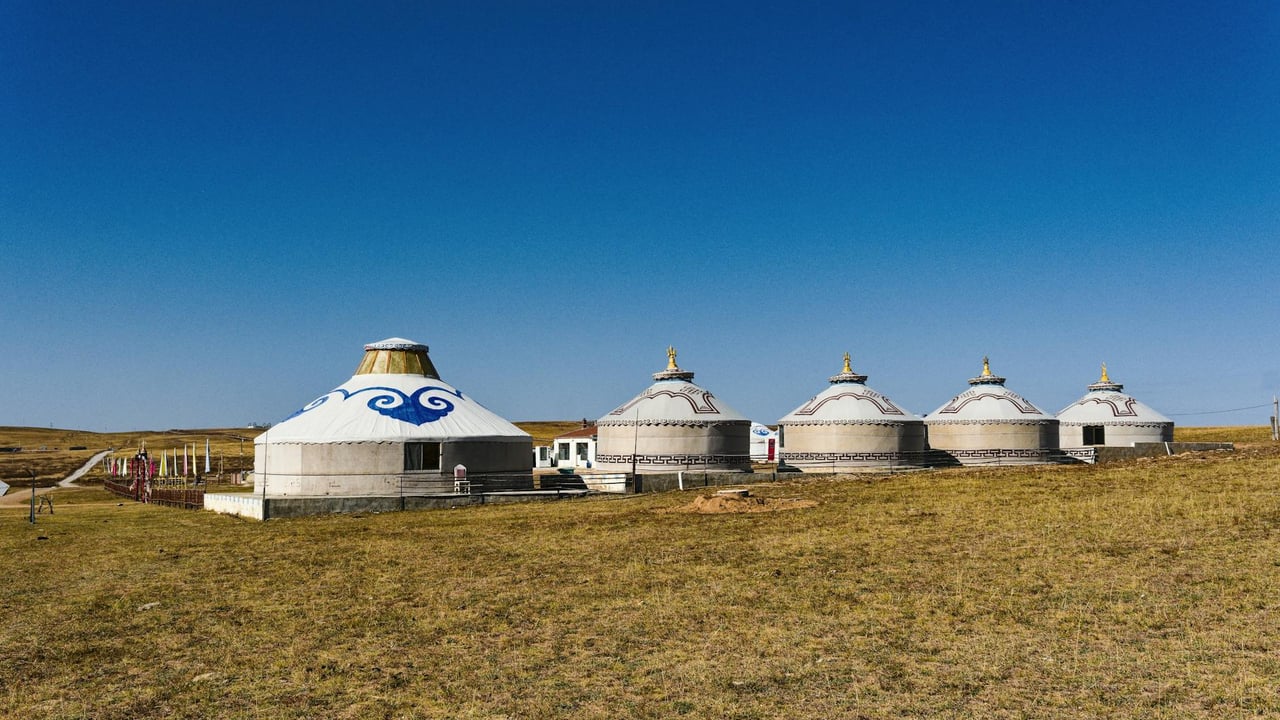

Beijing has announced the second iteration of the "Steppe Partner" joint army training with Mongolia, scheduled for late May to early June 2026. Set against the vast backdrop of China’s Inner Mongolia Autonomous Region, the drills signal a steady deepening of tactical coordination between the two neighbors. This announcement, made by Ministry of National Defense spokesperson Senior Colonel Jiang Bin, underscores a burgeoning military relationship that was once characterized by caution.
While the stated objective of the exercise focuses on neutralizing illegal armed organizations, the geopolitical subtext is far more expansive. For China, these exercises serve as a vital mechanism to anchor Mongolia within its peripheral security architecture. By fostering closer ties with Ulaanbaatar, Beijing seeks to ensure long-term stability along their shared 4,600-kilometer border, a region of immense strategic importance.
Mongolia, landlocked between the giants of Russia and China, has long navigated a delicate "Third Neighbor" policy, seeking diplomatic and economic ties with the West to balance its neighbors' influence. However, Ulaanbaatar remains pragmatically aware that its immediate security and economic prosperity are inextricably linked to Beijing’s regional ambitions. Participating in the "Steppe Partner" series allows Mongolia to modernize its force capabilities while maintaining necessary favor with its southern neighbor.
This particular series represents a shift toward regularized, institutionalized military cooperation rather than sporadic engagement. By focusing on non-traditional security threats such as insurgencies or cross-border crime, both nations find common ground that avoids the sensitivities of direct geopolitical confrontation with other global powers. The drills are expected to enhance interoperability and build the "mutual trust" that Beijing frequently cites as the cornerstone of its foreign policy.