
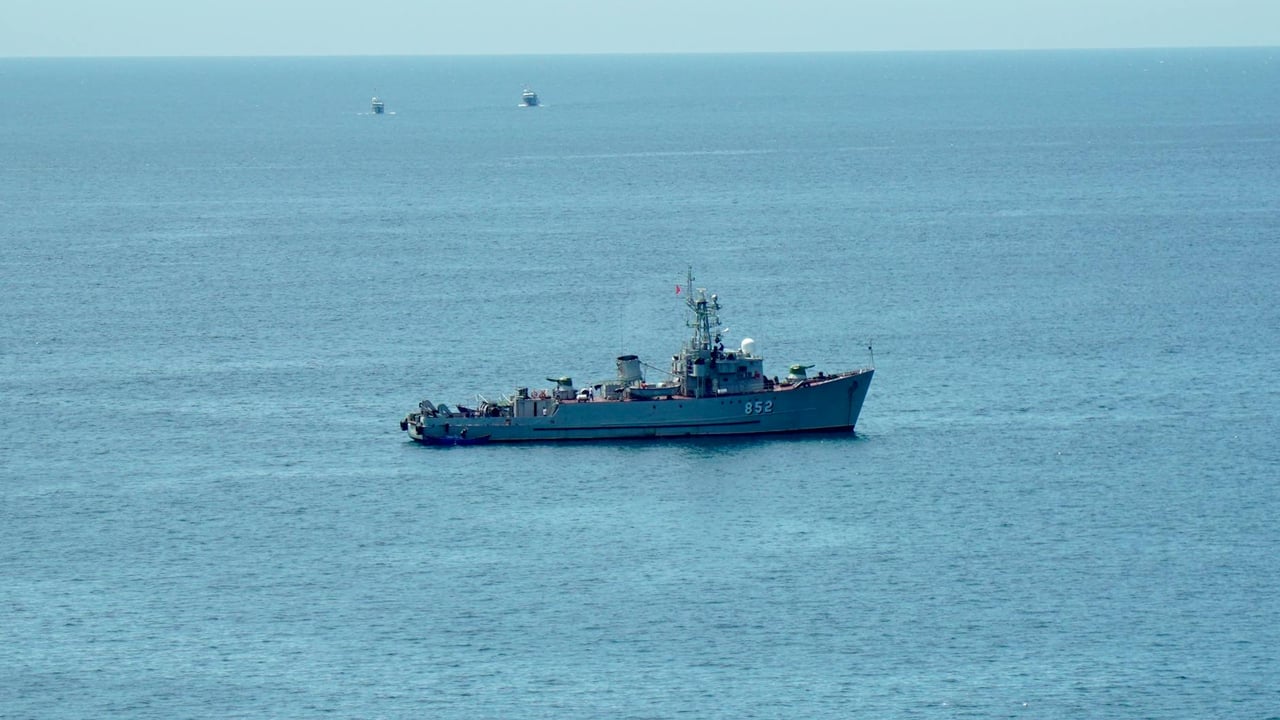

The rhythmic closure of the Yellow Sea has become a familiar cadence in the geopolitical soundtrack of Northeast Asia. On May 18, 2026, the Dalian Maritime Safety Administration issued a terse navigation warning, cordoning off significant swaths of the Yellow Sea for 'military tasks.' Scheduled to run through May 23, the exclusion zone effectively silences a vital maritime corridor, signaling yet another phase of the People’s Liberation Army’s (PLA) relentless pursuit of combat readiness.
While the official notice provides little in the way of tactical detail, the geography of the closure is telling. Situated near the strategic port of Dalian, these waters serve as the primary training ground for the PLA Navy’s North Sea Fleet. The five-day window suggests more than a routine transit; it points toward integrated live-fire exercises or perhaps the testing of new-generation undersea technologies that require absolute surface security.
This latest maneuver does not occur in a vacuum. It follows a pattern of increasingly frequent and sophisticated drills aimed at projecting power toward the Korean Peninsula and monitoring the maritime approaches to Beijing. By normalizing these sudden 'maritime exclusion zones,' China effectively asserts its de facto control over its near-seas, forcing commercial shipping and foreign intelligence-gathering vessels to adjust to its unilateral schedule.
For regional observers, the timing is as critical as the location. As regional alliances in the Pacific continue to solidify, Beijing’s persistent use of the Yellow Sea as a private laboratory for naval warfare serves as a potent reminder of its local military superiority. These exercises are less about immediate provocation and more about the long-term 'salami-slicing' of maritime norms, ensuring that the PLA remains the dominant architect of the regional security architecture.