

The fragile diplomatic backchannel between Washington and Tehran appears to have hit a significant roadblock. Reports emerging from Iranian sources suggest the United States has countered a recent Iranian peace proposal with five uncompromising conditions. These demands, which range from nuclear disarmament to financial stonewalling, indicate a shift toward a 'maximum pressure' stance that leaves little room for middle-ground compromise.
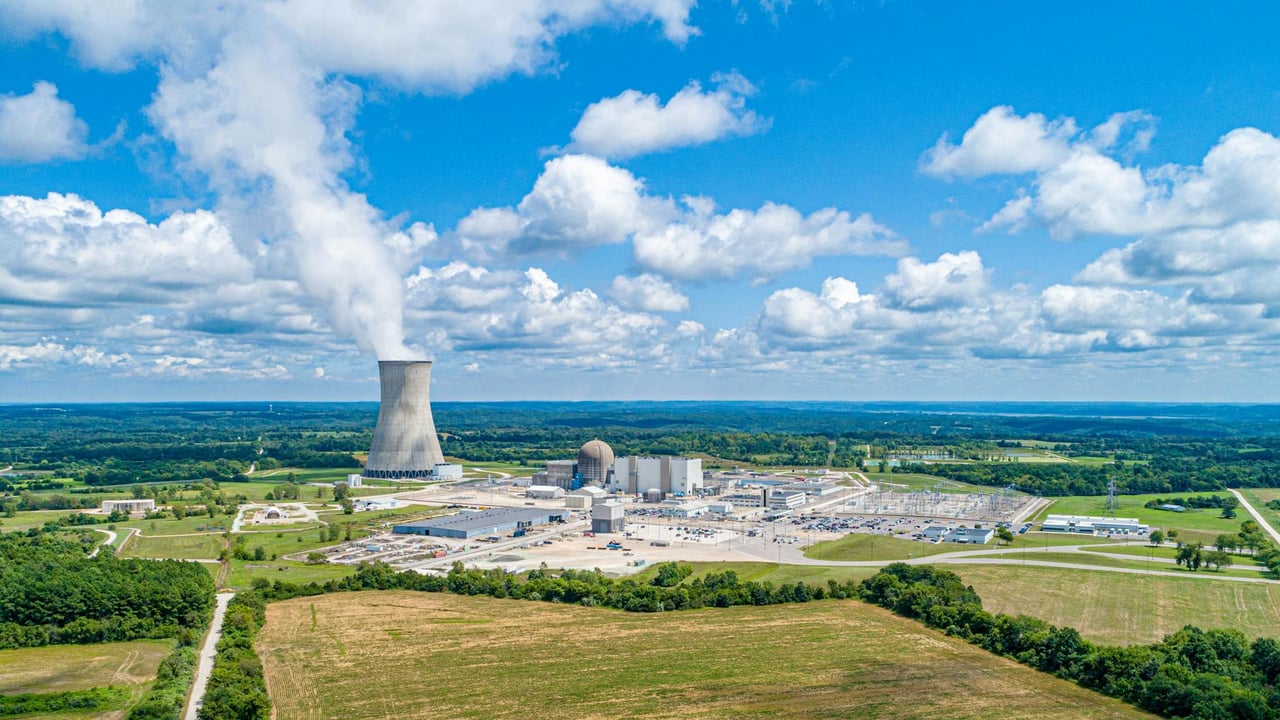
At the heart of the U.S. response is a demand for the physical removal of 400 kilograms of enriched uranium to American soil. This requirement is paired with a strict limitation on Iran’s nuclear infrastructure, permitting only a single facility to remain operational. Furthermore, Washington has reportedly refused to release frozen Iranian assets or pay any form of war reparations, signaling a refusal to grant Tehran the economic relief it desperately seeks.
These developments follow a period of heightened military tension, during which Tehran signaled its readiness to cross the nuclear threshold. Iranian officials previously warned that any further strikes on their territory would prompt an immediate increase in uranium enrichment levels to 90 percent—weaponization grade. By countering this threat with a demand for the export of its nuclear stockpile, the U.S. is effectively attempting to neutralize Iran’s primary deterrent before formal negotiations even begin.
The diplomatic exchange was facilitated by Pakistan, which has emerged as a key intermediary in the current conflict. While Iran’s foreign ministry maintains that its demands for maritime security in the Strait of Hormuz and an end to hostilities are 'reasonable,' the White House has characterized the Iranian position as 'completely unacceptable.' This rhetorical gap suggests that both sides are currently more interested in setting the stage for a prolonged confrontation than in finding a swift resolution.
Observers note that the U.S. strategy appears designed to achieve strategic military and political objectives that have remained elusive on the battlefield. By conditioning any ceasefire on the start of formal negotiations under these five stringent terms, Washington is attempting to leverage its economic and military dominance to force a structural change in Iranian foreign policy. For now, both capitals remain officially silent, leaving the region in a state of precarious uncertainty.