
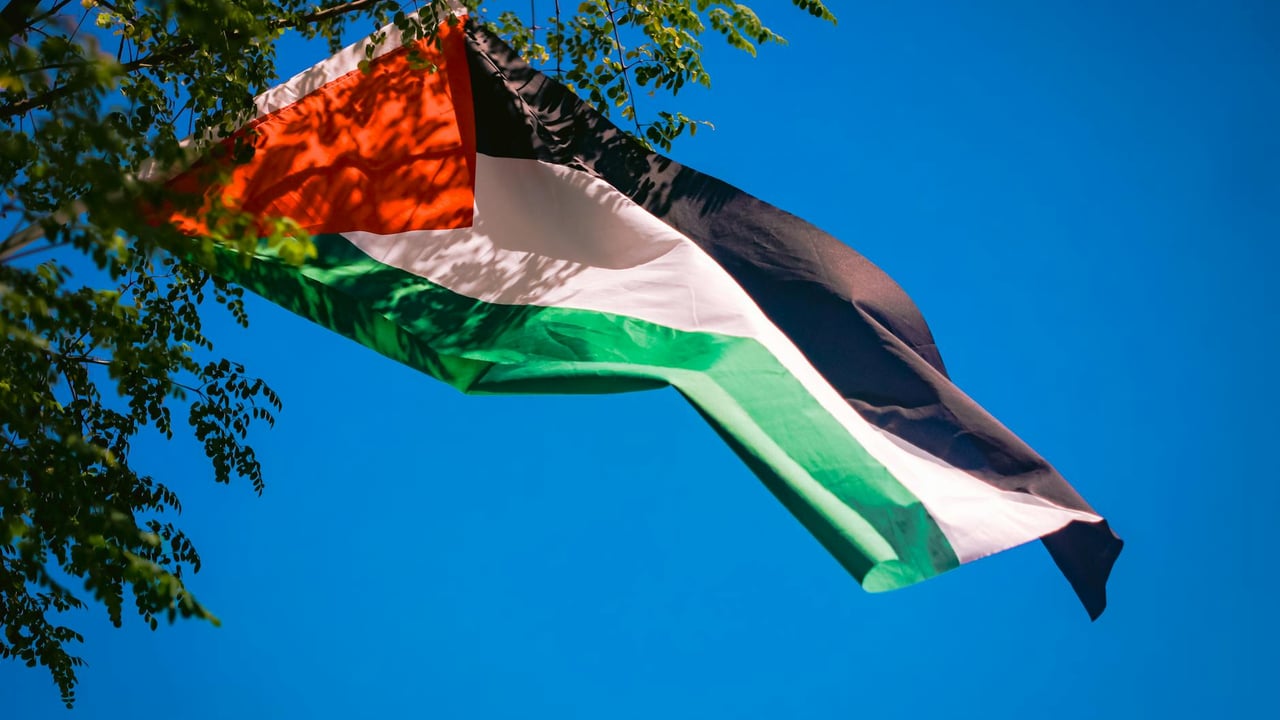

Despite the diplomatic relief that followed the October ceasefire in Gaza, the humanitarian landscape across the occupied Palestinian territories remains fraught with systemic instability. A recent report from the United Nations High Commissioner for Human Rights (OHCHR) underscores that the pause in large-scale kinetic warfare has done little to mend the shredded infrastructure or alleviate the acute suffering of civilians. In Gaza, the modest gains in humanitarian access are being offset by daily reports of infrastructure degradation and ongoing localized hostilities.
More alarming for international observers is the rapid deterioration of security and sovereignty in the West Bank. Ajith Sunghay, head of the OHCHR in the occupied territories, notes that the displacement of Palestinians has reached a velocity not seen in decades. This shift is not merely a byproduct of incidental conflict but appears to be a systemic acceleration of Israeli settlement expansion, fundamentally altering the demographic and political map of the region.
Sunghay’s report highlights a disturbing synergy between non-state actors and official security apparatuses. He alleges that Jewish settler attacks are increasingly occurring with the tacit support, or even active participation, of Israeli security forces. This militarization of the settler movement is framed by the UN as a strategic catalyst for a broader 'annexation' agenda, shielded by a pervasive environment of legal impunity provided by the state.
The rhetoric coming from the UN has now escalated to include warnings of 'ethnic cleansing' and 'forced transfer,' terms that carry heavy legal weight under international law. There is a growing consensus among human rights officials that the international community has failed to enact sufficient measures to address the root causes of the crisis. Without a fundamental reckoning with the decades-long occupation, the cycles of violence and displacement are expected to intensify.
The report concludes with an urgent appeal for global powers to move beyond symbolic gestures and employ legal and diplomatic leverage to end the occupation. As the hope for Palestinians to return to their homes continues to vanish, the UN warns that the failure to hold perpetrators accountable for past and present violations ensures that any future peace remains a distant prospect. The current trajectory suggests a permanent restructuring of the territory that may soon be irreversible.