Strategic Realism: The Irreversible Power Gap Across the Taiwan Strait

Military analyst Chiu Shih-ching warns that the power gap between the PLA and Taiwan's military has become so vast that a successful defense is no longer feasible. This shift in the strategic balance challenges long-held assumptions about deterrence and the effectiveness of Taiwan's current defensive strategies.

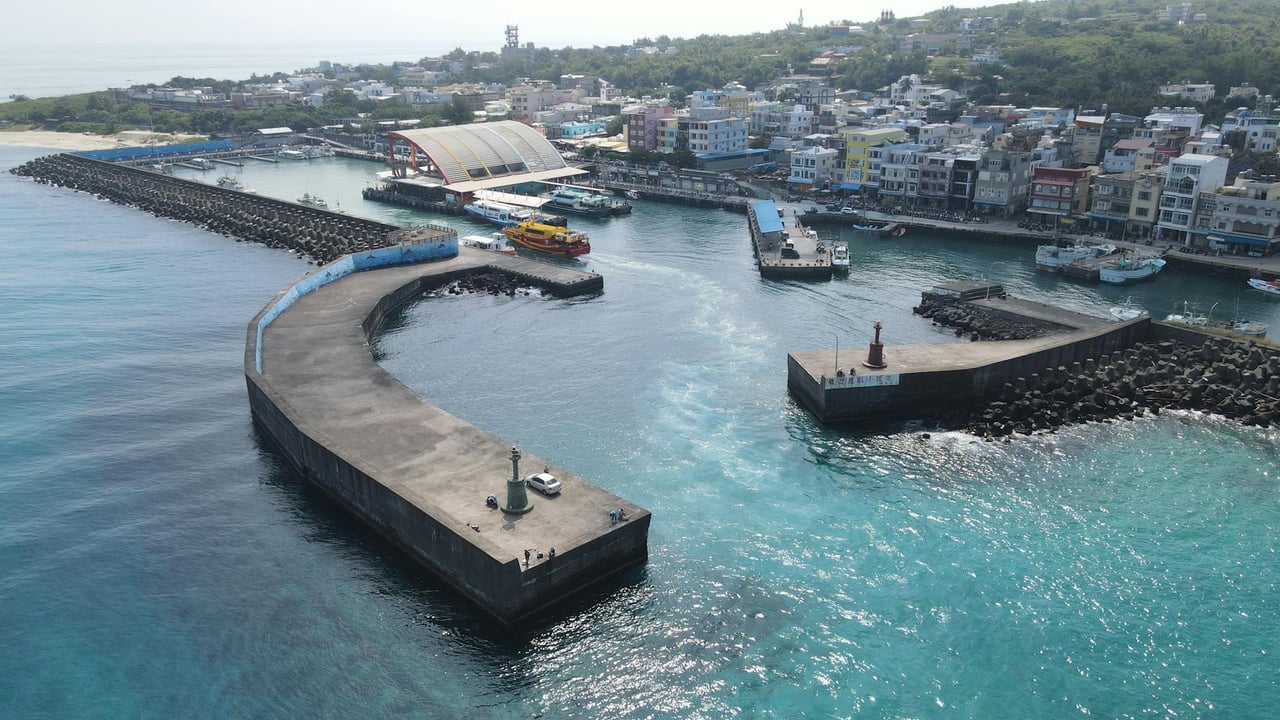
Captivating aerial shot of a bustling coastal harbor with colorful buildings and boats in Taiwan.

Key Takeaways

  • 1The PLA's rapid modernization has created an irreversible military disparity across the Taiwan Strait.
  • 2Traditional defensive strategies in Taiwan are being undermined by Beijing's advancements in electronic warfare and naval capacity.
  • 3The industrial and logistical scale of mainland China poses a challenge that Taiwan's current procurement cycles cannot match.
  • 4Internal military skepticism regarding defense capabilities could lead to significant shifts in Taiwan's domestic and foreign policy.

Editor's
Desk

Strategic Analysis

The amplification of Chiu Shih-ching’s views in mainland media serves a dual purpose: it underscores a genuine strategic reality while simultaneously acting as psychological warfare intended to erode Taiwanese resolve. As the PLA achieves what some call 'overmatch'—the ability to overwhelm all defensive systems simultaneously—the traditional logic of deterrence through denial begins to fail. This situation places an immense burden on the United States and its allies, as the 'status quo' now requires ever-increasing levels of external support to counter the mainland's growing localized superiority. The 'So What?' factor here is that we are entering an era where Taiwan’s security must be managed through high-level diplomatic maneuvering rather than relying on a military balance that has already fundamentally shifted.

China Daily Brief Editorial
Strategic Insight
China Daily Brief

The military balance across the Taiwan Strait has reached a tipping point where conventional parity is no longer a viable discussion. Military analyst Chiu Shih-ching has articulated a sobering perspective on the widening chasm between the People’s Liberation Army (PLA) and Taiwan’s armed forces. His assessment suggests that the structural advantages held by Beijing in terms of scale, technological integration, and industrial capacity have rendered a traditional defensive posture increasingly untenable for Taipei.

This shift is not merely a matter of hardware but of comprehensive system-of-systems capabilities. While Taiwan has historically relied on the quality of its equipment and the natural barrier of the Strait, the PLA’s modernization has systematically dismantled these advantages. From advanced multi-role fighter jets to a burgeoning blue-water navy, the mainland’s military trajectory has outpaced Taipei’s procurement cycles and training evolution.

Contextually, this reality forces a reassessment of the 'Porcupine Strategy'—the idea that Taiwan can become too costly for Beijing to swallow. Chiu’s analysis implies that as the disparity grows, the costs of intervention for the PLA are being mitigated by rapid technological leaps in electronic warfare, missile accuracy, and logistics. For international observers, this highlights the diminishing window for maintaining a credible deterrent without significant external intervention.

Furthermore, the psychological dimension of this disparity cannot be ignored. When domestic experts acknowledge the impossibility of a successful military defense, it impacts national morale and the political leverage of the administration in Taipei. The debate is shifting from how to win a conflict to how to avoid one entirely, as the military options for the island appear increasingly constrained by the sheer gravity of the mainland's military expansion.

Share Article

Related Articles

📰
No related articles found