Maritime Diplomacy: China Positions as Regional Coordinator at Quanzhou Coast Guard Summit

China is hosting the 22nd Asian Coast Guard Agencies Meeting in Quanzhou, focusing on maritime law enforcement and non-traditional security cooperation. The event brings together 18 nations to discuss search and rescue, environmental protection, and counter-terrorism, marking a significant step in Beijing's maritime diplomacy.

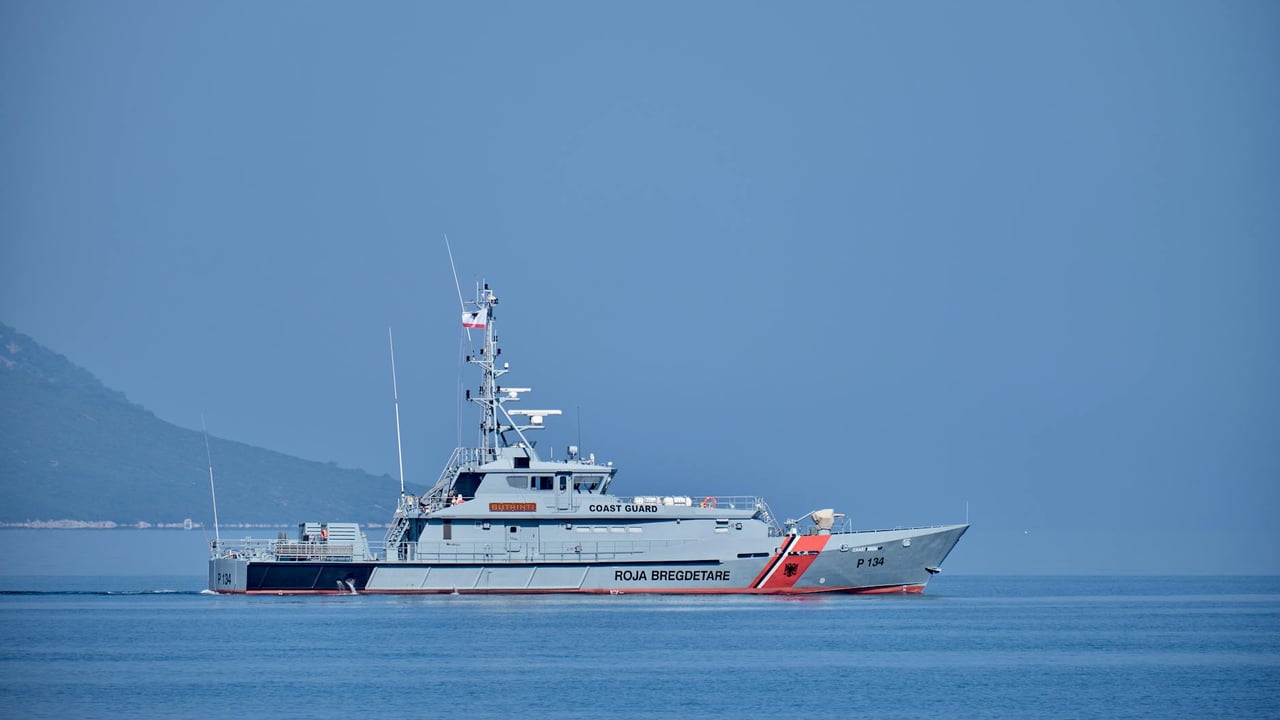
Coast guard vessel patrolling in Vlorë, Albania on a clear day.

Key Takeaways

  • 1China Coast Guard hosts representatives from 18 countries and 2 international organizations for a 4-day summit.
  • 2The agenda focuses on 'non-traditional' security, including search and rescue, anti-terrorism, and information sharing.
  • 3Specific discussions on 'maritime carbon sinks' signal an expansion into environmental law enforcement.
  • 4The meeting serves the broader strategic goal of building a 'Maritime Community with a Shared Future.'
  • 5Quanzhou’s historical status as a Silk Road hub is leveraged to reinforce China's maritime identity.

Editor's
Desk

Strategic Analysis

This summit represents a strategic pivot for the China Coast Guard, transitioning its public image from an assertive maritime force in territorial disputes to a central coordinator of regional security. By focusing on non-contentious issues like search and rescue and carbon sinks, Beijing is building a 'soft power' infrastructure that complements its hard power capabilities. This 'working-level' cooperation is essential for China to establish a regional maritime order where it acts as the primary provider of public security goods, potentially diluting the influence of traditional naval powers in the region. The inclusion of maritime carbon sinks is particularly astute, as it aligns law enforcement with global climate goals, making Chinese maritime leadership more palatable to the international community.

China Daily Brief Editorial
Strategic Insight
China Daily Brief

On May 19, the China Coast Guard (CCG) officially inaugurated the working-level session of the 22nd Asian Coast Guard Agencies Meeting in Quanzhou, Fujian province. The choice of Quanzhou, the historic starting point of the 'Maritime Silk Road,' is a deliberate nod to Beijing’s broader geopolitical ambitions and its 'Maritime Community with a Shared Future' doctrine. More than 50 representatives from 18 countries and regions, alongside two international organizations, have gathered for the four-day event.

While maritime law enforcement is often a flashpoint for regional tension, this summit shifts the focus toward 'non-traditional' security challenges. Delegates are scheduled to hold deep consultations on issues ranging from maritime search and rescue to ecological protection and joint law enforcement information sharing. By leading these discussions, Beijing aims to demonstrate its capacity for constructive regional leadership, balancing its assertive territorial presence with cooperative security initiatives.

Notably, the agenda expands beyond traditional policing to include emerging governance areas such as maritime carbon sinks and the safety of critical sea lanes. These topics reflect a sophisticated approach to maritime governance, where environmental stewardship and counter-terrorism are used as platforms for building institutional trust. This multilateral approach allows China to shape the norms of regional cooperation on its own terms, often bypassing Western-centric security frameworks.

The meeting also emphasizes 'capacity building' and joint exercises, indicating a desire for more integrated operational ties between Asian coast guard agencies. As maritime traffic in the region grows more complex, China is positioning its Coast Guard not just as a domestic enforcer, but as a primary architect of regional stability. The success of this summit will be measured by how effectively these 'working-level' talks translate into tangible coordination in the contested waters of the Indo-Pacific.

Share Article

Related Articles

📰
No related articles found