
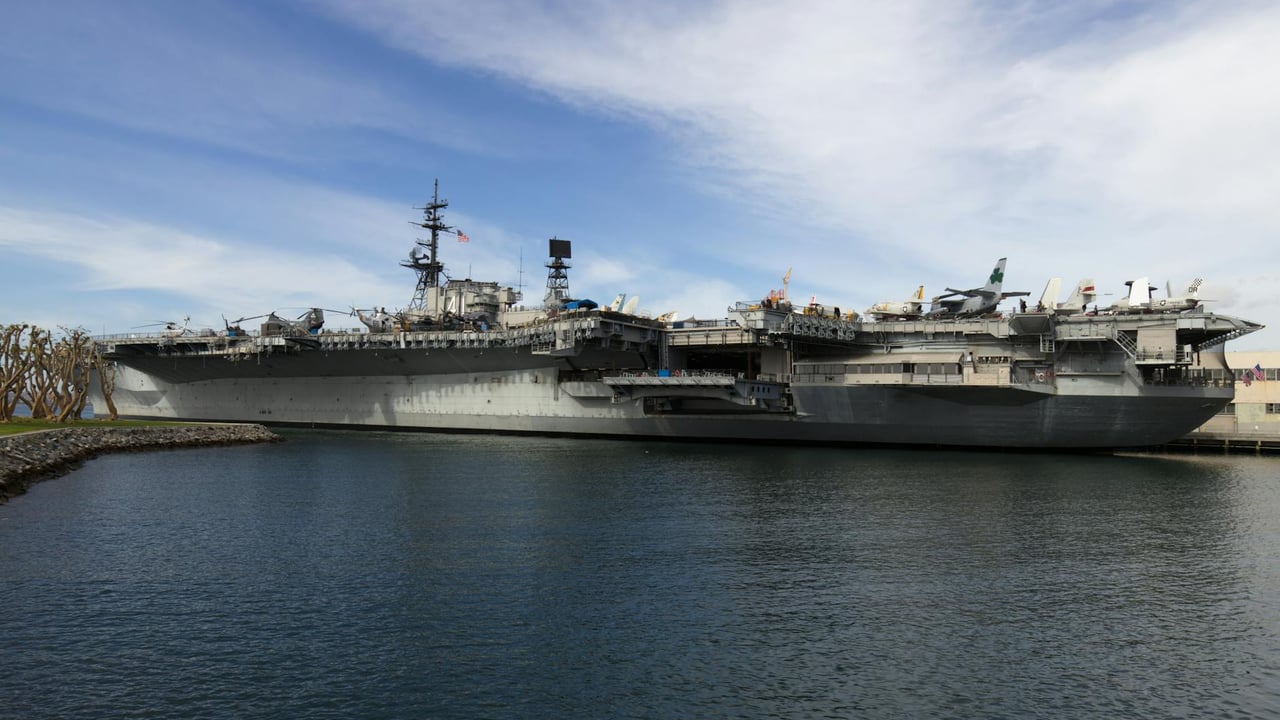

The return of the USS George Washington (CVN-73) to Yokosuka on May 17 marks a pivotal moment for the U.S. Navy’s forward-deployed capabilities in East Asia. After a brief seven-day sortie that began on May 10, the nuclear-powered aircraft carrier docked at its primary Japanese base for what officials describe as resupply and crew rest. This movement follows a period of intensive maintenance and suggests the vessel is undergoing the final stages of operational certification.
Technically classified as sea trials, this recent stint in the Philippine Sea was designed to test the ship’s complex systems after its transition back to the Seventh Fleet’s area of responsibility. As the centerpiece of Carrier Strike Group 5, the George Washington’s mechanical health is vital for the Pentagon’s ability to project power across the first island chain. The seamless execution of these trials indicates that the carrier is nearing a state of peak combat readiness.
Yokosuka serves as the linchpin for American maritime strategy in the Western Pacific, providing the only permanent overseas homeport for a U.S. carrier strike group. By rotating the George Washington back into this theater, the U.S. maintains a constant and visible deterrent against regional instability. The timing is particularly noteworthy given the evolving security dynamics in the Taiwan Strait and the ongoing naval modernization efforts of regional competitors.
While the official narrative focuses on routine logistics, the rapid turnaround between departure and return suggests an efficient testing cycle. For the crew, the brief respite in Yokosuka is a precursor to a more demanding deployment schedule later in the year. In the high-stakes environment of Indo-Pacific geopolitics, the George Washington’s presence ensures that the U.S. remains the preeminent naval force in the region.