
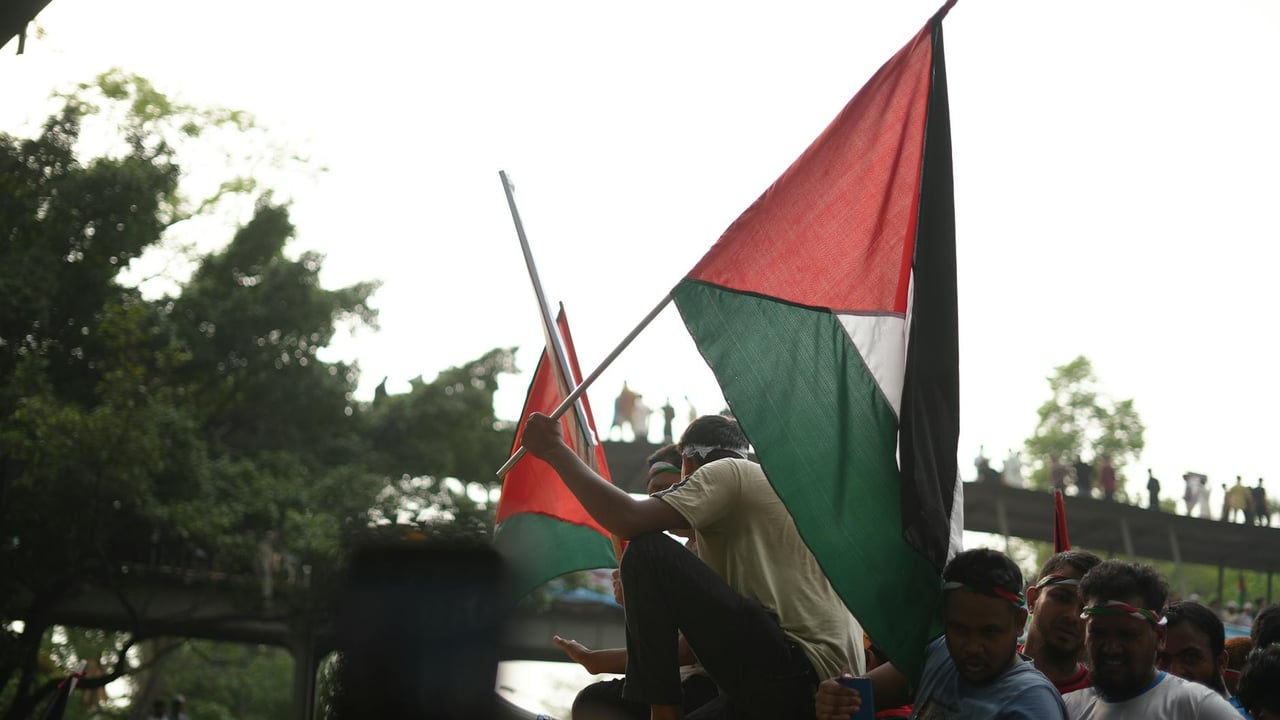

The Mediterranean has once again become a stage for a high-stakes confrontation between humanitarian activism and national security. On May 19, Israeli naval forces intercepted the "Global Resilience Flotilla," a convoy of ships attempting to breach the long-standing maritime blockade of the Gaza Strip. The incident, which took place in international waters, has quickly evolved into a clash of conflicting accounts and diplomatic condemnations.
While organizers released footage appearing to show soldiers firing on vessels and dismantling onboard cameras, the Israeli Ministry of Foreign Affairs maintained a starkly different narrative. Official statements insisted that only non-lethal measures were deployed after repeated warnings were ignored, emphasizing that no live ammunition was used and no protesters were harmed during the operation. Despite these assurances, the sight of armed commandos boarding civilian vessels remains a potent symbol of the region's intractable tensions.
The flotilla, which departed from southern Turkey last week, carried more than 400 activists from various nations. This mission represents the latest in a series of organized attempts to challenge Israel’s control over Gaza’s waters, a policy Israel defends as a vital security measure against arms smuggling but which critics denounce as a form of collective punishment. This specific convoy follows a previous attempt in April that was similarly thwarted near Crete, suggesting a sustained and coordinated effort to keep the blockade in the global spotlight.
The international response was swift and sharp, with ten foreign ministers, including those from Indonesia, issuing a joint statement of "strongest condemnation." This diplomatic friction highlights the persistent tension between Israel’s security strategies and the growing global demand for unfettered humanitarian access to the Palestinian enclave. As the 400 activists are processed by Israeli authorities, the incident serves as a reminder that the battle for Gaza is fought as much in the court of international opinion as it is on the ground.