

The diplomatic theater of President Donald Trump’s May 2026 state visit to Beijing is being underpinned by a substantive shift in the underlying trade architecture between the United States and China. Recent negotiations in Seoul have yielded a framework designed to transition the world’s two largest economies away from "crisis management" and toward a more predictable, institutionalized relationship. This evolution comes at a critical juncture as both nations navigate legal challenges to previous tariff regimes and seek to stabilize a volatile global trade environment.
Central to the new consensus is the establishment of a permanent Trade Council and an Investment Council, intended to provide structured platforms for addressing bilateral friction. By formalizing these channels, Beijing and Washington aim to mitigate the sudden policy shocks that have defined the relationship over the past decade. The move suggests a mutual recognition that while structural competition remains a reality, the economic cost of perpetual brinkmanship has become increasingly difficult for both domestic administrations to sustain.
On the technical front, the two sides have agreed to a "Reciprocal Tariff Reduction Framework" involving equal-scale cuts of $30 billion or more on mutually agreed products. This arrangement specifically targets the application of most-favored-nation rates and seeks to lower the effective tax burden on high-priority sectors. Furthermore, China has emphasized that any future US tariffs should not exceed the ceilings established during the Kuala Lumpur negotiations, effectively attempting to set a "hard cap" on the trade war’s intensity.
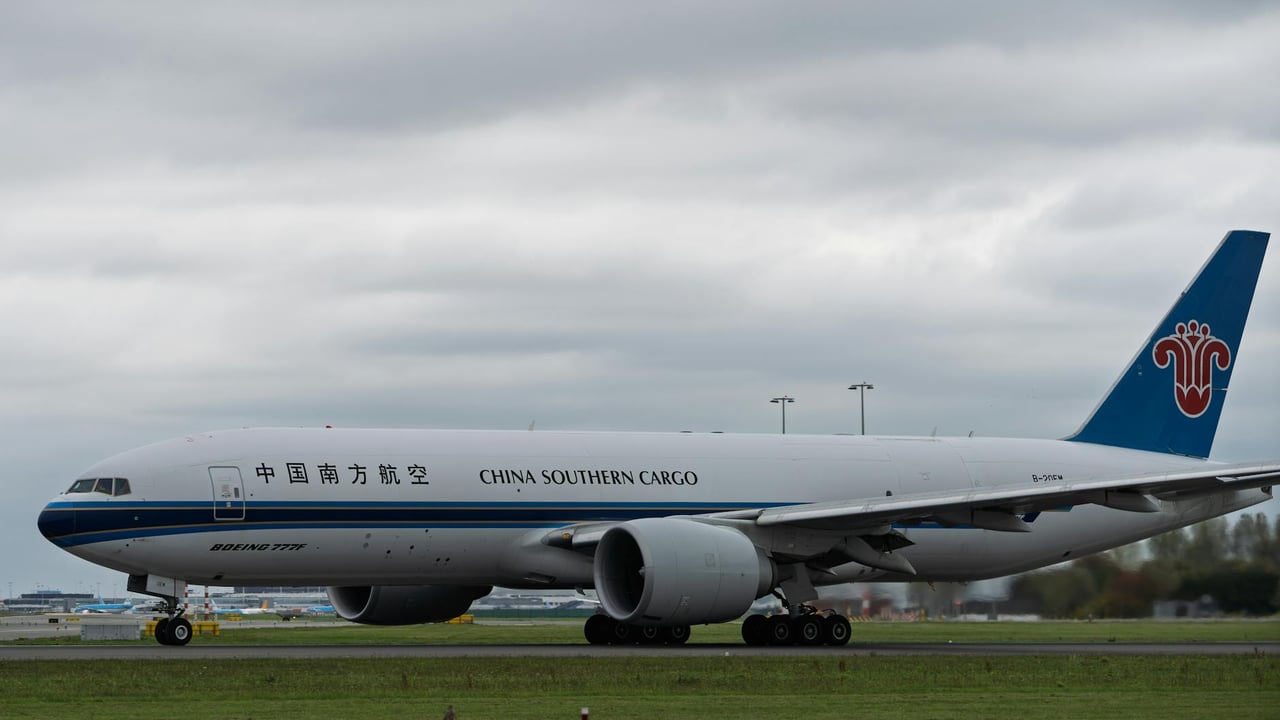
Agricultural trade and industrial procurement continue to serve as the lubricants of the bilateral deal. Beijing has committed to the commercial purchase of 200 Boeing aircraft, conditioned on US guarantees for the supply of engines and essential components. Simultaneously, both nations have agreed to dismantle long-standing non-tariff barriers, with China resuming US beef and poultry imports while Washington eases restrictions on Chinese dairy, aquatic products, and specialty agricultural goods.
Perhaps most significant for global supply chains is the dialogue regarding critical minerals. China has indicated a willingness to address US concerns over the supply of rare earths and the export of processing technology, provided that the US reciprocates by respecting China's own export control laws. This suggests that high-stakes resources are being integrated into the broader trade ledger, serving as both a point of leverage and a potential area for managed cooperation.