China’s Economic Architect Pledges to Combat ‘Involution’ in Push for Private Sector Confidence

The head of China's NDRC met with private industry leaders to address economic challenges and the implementation of the Private Economy Promotion Law. Key discussions focused on ending destructive 'involutionary' competition and better integrating private firms into the upcoming 15th Five-Year Plan.

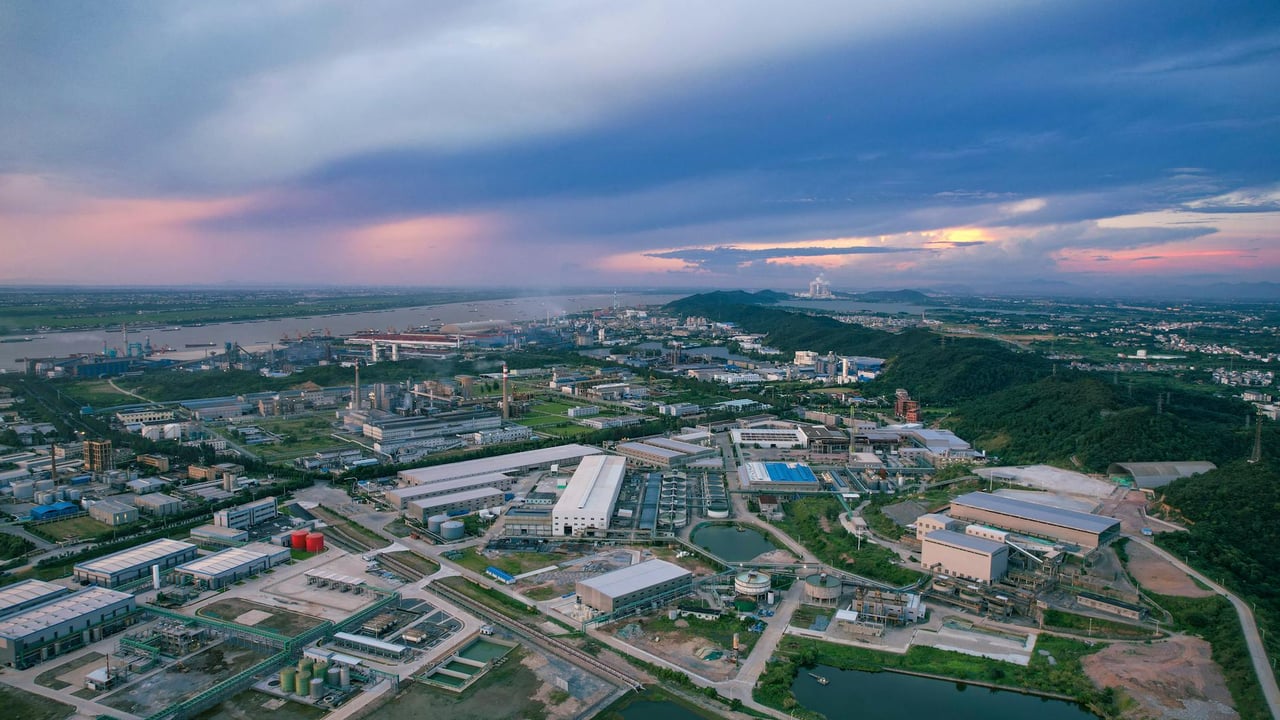
A stunning aerial view of an industrial area at sunset in Jiujiang, China.

Key Takeaways

  • 1NDRC Chairman Zheng Shajie held direct talks with leaders in AI, pharma, steel, and logistics to gauge the effectiveness of current macro policies.
  • 2Private firms expressed significant concerns regarding 'involutionary' competition, a cycle of hyper-competition that is stifling sustainable growth.
  • 3The NDRC pledged to use the 15th Five-Year Plan framework to improve private sector participation in major national projects and enhance supply chain resilience.
  • 4The meeting emphasized 'technological self-reliance' and 'digital-green transformation' as the primary pathways for private sector support.
  • 5Beijing is seeking to bridge the gap between high-level economic planning and the practical needs of businesses facing external shocks and domestic market saturation.

Editor's
Desk

Strategic Analysis

This symposium marks a significant rhetorical shift from the regulatory crackdowns of previous years to a posture of strategic cultivation. By specifically inviting Zhipu AI and Hengrui Medicine, the NDRC is highlighting that the private sector is no longer viewed just as a source of employment, but as the essential engine for 'New Quality Productive Forces.' The explicit mention of 'involution' (内卷) is particularly telling; it suggests that the central government recognizes that overcapacity and predatory domestic pricing are undermining its global competitive edge. As China prepares for its 15th Five-Year Plan, the NDRC is attempting to create a 'managed' market environment where private firms are protected from cutthroat competition in exchange for aligning with national security and self-reliance goals.

China Daily Brief Editorial
Strategic Insight
China Daily Brief

In a high-stakes effort to restore business confidence, Zheng Shajie, head of the National Development and Reform Commission (NDRC), convened a pivotal symposium with leaders from the private sector. The meeting, which took place on the anniversary of the Private Economy Promotion Law, signaled Beijing’s urgent desire to align its top-down macro policies with the micro-level realities of a struggling domestic market. Participants included heavyweights from strategic industries such as Delong Steel, Hengrui Medicine, and the artificial intelligence pioneer Zhipu AI.

While the attending executives acknowledged the benefits of recent legal protections and the digital-green transition, their concerns revealed the deep-seated structural issues currently plaguing the world’s second-largest economy. Central to the discussion was the phenomenon of 'involutionary' (nei juan) competition—a term used to describe a destructive cycle of price wars and margin-erasing competition that has hindered innovation and profitability across sectors ranging from steel to high-tech.

Zheng responded with a robust defense of China’s current economic trajectory, citing growth in new energy and advanced supply chains, but he also conceded that policy implementation must be refined. He emphasized that the NDRC is moving toward a more responsive 'feedback loop' with private firms to ensure that the 15th Five-Year Plan—China’s strategic blueprint for 2026–2030—addresses specific pain points like external geopolitical shocks and the need for greater access to national-scale projects.

The NDRC’s commitment to 'curtailing involution' and ensuring 'supply chain autonomy' reflects a broader strategic pivot. Beijing is increasingly aware that without a vibrant private sector, its goals for technological self-reliance and high-quality development remain out of reach. The focus now shifts to whether the promised regulatory cleanups and market-access reforms will translate into tangible 'sense of gain' for entrepreneurs who have remained cautious in recent years.

Share Article

Related Articles

📰
No related articles found