
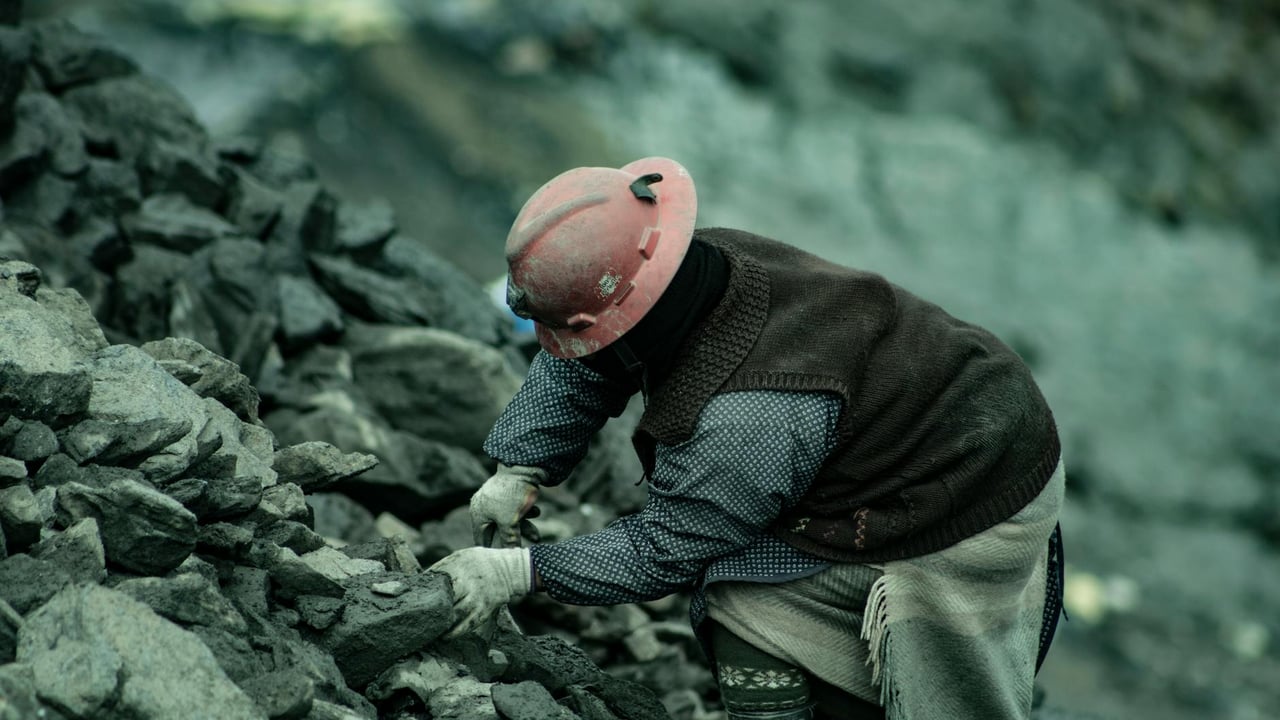

China is moving to centralize and tighten its oversight of the nation's vast mineral wealth through new implementation regulations signed by Premier Li Qiang. The 'Implementation Regulations for the Mineral Resources Law,' set to take effect on June 15, 2026, represent a significant pivot toward treating the mining sector as a pillar of national security rather than just an industrial base. This move follows a period of heightened global competition for the raw materials essential to the green energy transition and high-tech manufacturing.
The new mandate introduces a sophisticated system for managing mining rights, exploration, and extraction, while specifically emphasizing the protection of 'strategic minerals.' By refining the procedures for licensing and renewals, Beijing aims to professionalize a sector that has historically struggled with fragmentation and inefficiencies. The regulations mandate a more rigorous standard for geological surveys and resource reporting, ensuring the central government has a precise inventory of its underground assets.
Critically, the decree establishes a comprehensive framework for strategic mineral reserves, encompassing not just physical product stockpiles but also 'capacity' and 'production site' reserves. This allows the state to ramp up or throttle production based on geopolitical needs or market fluctuations. This structured approach to reserves provides Beijing with a powerful lever in global supply chains, particularly in sectors where China currently holds a dominant position, such as rare earths and lithium processing.
Environmental accountability is also being moved to the forefront of industrial policy. The regulations stipulate that mining companies are now legally responsible for ecological restoration, with specific timelines and strict acceptance procedures. This 'polluter pays' approach aligns with China’s broader goals of high-quality development, signaling that the era of unfettered, environmentally destructive extraction is coming to an end in favor of a more sustainable, state-monitored model.
To ensure compliance, the State Council has authorized harsher penalties for violations, particularly those involving strategic minerals. By implementing a tiered and classified supervision system, the government can exert granular control over different categories of minerals based on their scarcity and technological importance. This regulatory overhaul suggests that Beijing is bracing for a long-term resource competition, positioning itself to protect its domestic supply while maintaining its influence over the global materials market.