Beyond Soybeans: Beijing Signals Drive to Cement Multi-Year US Agricultural Deal

China's Foreign Ministry has confirmed efforts to formalize a trade agreement involving a $17 billion annual purchase of US agricultural products through 2028. This move, which excludes soybeans, represents a strategic attempt to stabilize bilateral economic ties and diversify China's import portfolio.

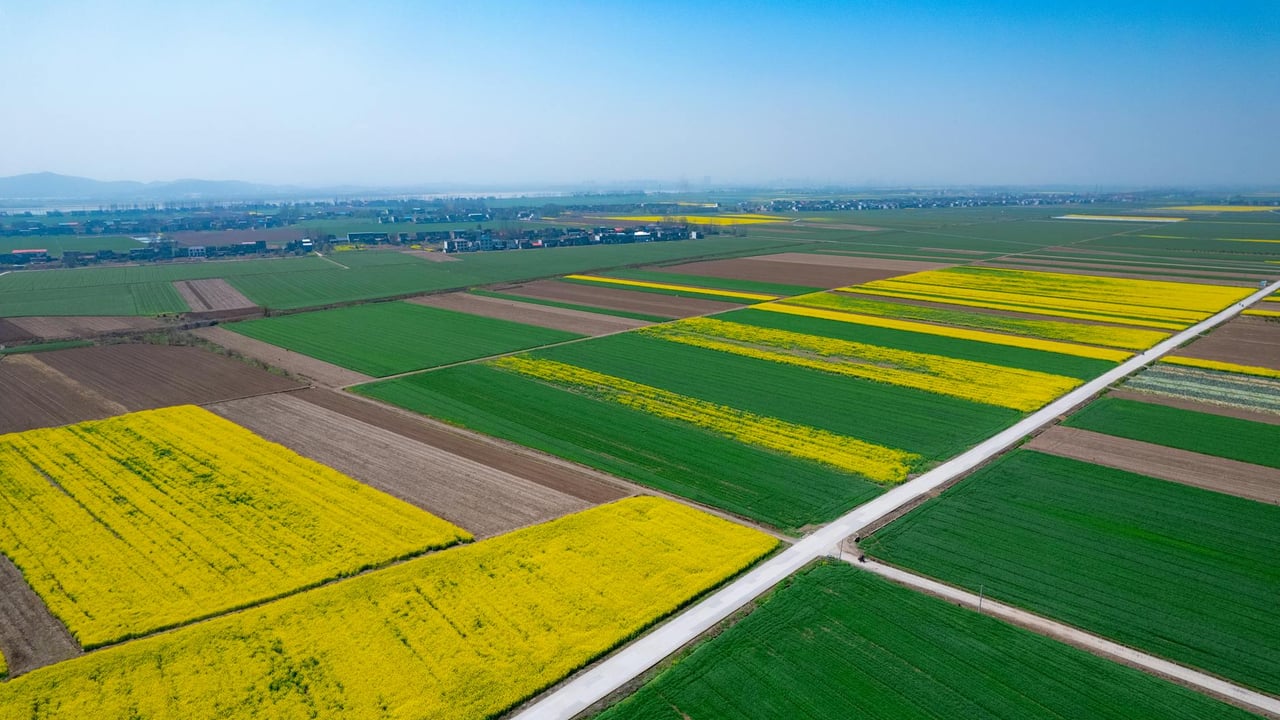
Stunning aerial capture of colorful fields and rural landscape in Jiujiang, China.

Key Takeaways

  • 1China and the US are working to 'lock in' trade results based on presidential consensus.
  • 2The White House reports a $17 billion annual commitment for US agricultural goods excluding soybeans.
  • 3The procurement framework is designed to run through 2028, providing long-term market predictability.
  • 4Beijing is positioning the deal as a stabilizing force for the global economy.
  • 5Technical implementation details remain under the purview of China's commerce and trade departments.

Editor's
Desk

Strategic Analysis

The exclusion of soybeans from this $17 billion annual target is a sophisticated tactical move by Beijing. By committing to other agricultural sectors—such as beef, poultry, and corn—China is diversifying its supply chain while addressing internal inflationary pressures on food prices. This multi-year horizon, stretching to 2028, suggests an attempt to bypass the volatility of immediate political cycles in both Washington and Beijing. However, by keeping the specific 'locking in' of results vague at the MFA level, China retains the flexibility to scale these commitments based on the broader health of the relationship, particularly regarding technology restrictions and security concerns.

China Daily Brief Editorial
Strategic Insight
China Daily Brief

Beijing is signaling a renewed commitment to stabilizing trade relations with Washington, framing recent discussions as a move toward "locking in" tangible outcomes. During a routine press briefing, Foreign Ministry spokesperson Guo Jiakun emphasized that both nations are working to implement a consensus reached at the highest levels of leadership. This diplomatic posture suggests a pivot toward pragmatic economic engagement despite broader geopolitical frictions.

The rhetoric follows claims from the White House that China has agreed to a substantial multi-year procurement plan. Under this reported framework, Beijing would commit to purchasing roughly $17 billion in American agricultural products annually through 2028. Notably, this figure excludes soybeans, which have historically served as the cornerstone—and a primary point of leverage—in the bilateral trade relationship.

While the Foreign Ministry deferred technical specifics to commerce authorities, the confirmation of a "preliminary consensus" marks a significant shift in tone. By focusing on a diversified basket of agricultural commodities, the deal likely aims to satisfy China's domestic food security needs and rising demand for protein. This diversification also reduces the systemic risk associated with over-reliance on a single American crop.

For a global economy weary of trade volatility, these developments offer a rare glimmer of predictability. Beijing’s emphasis on providing "certainty and stability" reflects a broader strategic desire to insulate the economic relationship from more contentious disputes. As both nations look toward 2028, the ability to formalize these commitments will be a litmus test for the durability of the current detente.

Share Article

Related Articles

📰
No related articles found