

Descendants of British prisoners of war (POWs) recently converged on the Zhoushan archipelago, marking a poignant moment of memory diplomacy that bridges the historical scars of World War II with the complexities of contemporary Sino-British relations. These families gathered to honor the extraordinary courage of Chinese fishermen who, eight decades ago, risked their lives to save soldiers from the sinking Lisbon Maru. The ceremonies serve as a reminder of a shared humanitarian legacy that persists despite modern geopolitical tensions.
The tragedy unfolded in October 1942, when the Japanese freighter—unmarked and carrying over 1,800 British POWs from Hong Kong to Japan—was torpedoed by a U.S. submarine. As the ship foundered, the Japanese guards battened the hatches and fired upon those attempting to escape the hold, an act of calculated brutality that defines one of the darker chapters of the Pacific Theater. The survivors were left to drown or be shot in the water until local intervention changed the course of the disaster.
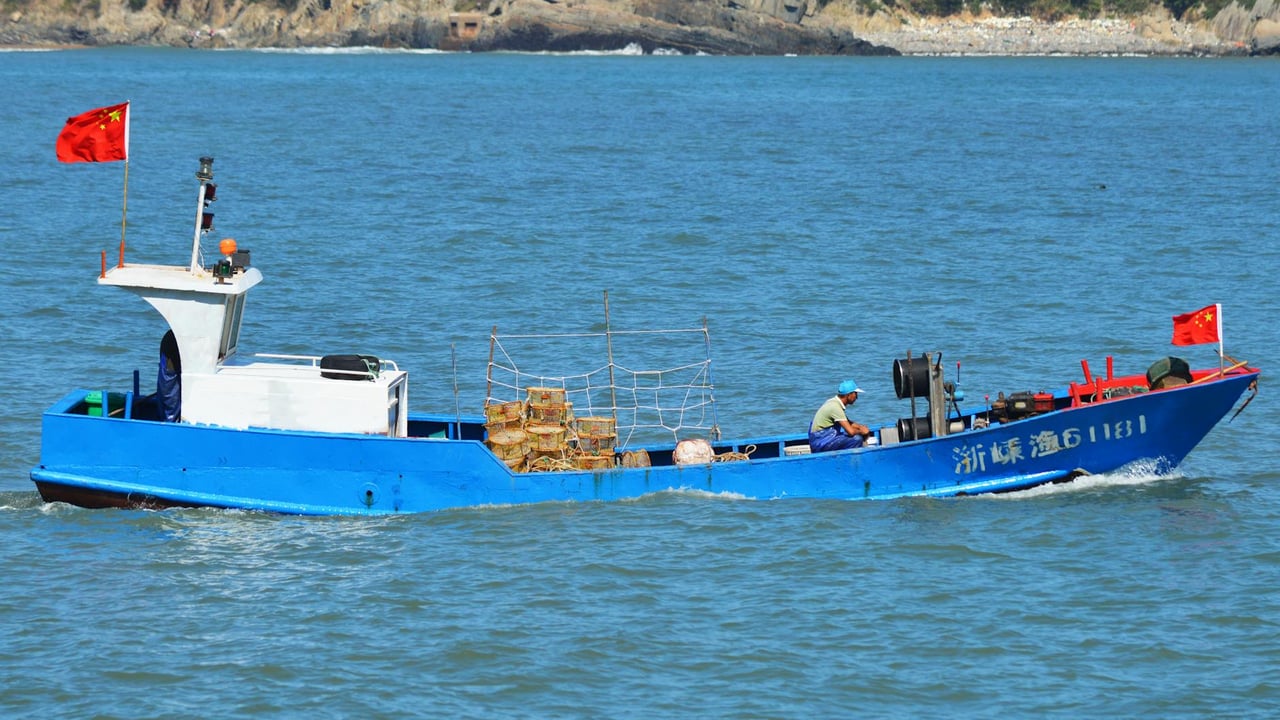
In the face of machine-gun fire, local fishermen from the Dongji Islands launched a desperate rescue mission using small sampans and wooden boats. Their intervention saved 384 lives, an act of altruism that Beijing has increasingly highlighted as a symbol of the historical bonds between China and the United Kingdom. This narrative of shared suffering and heroism provides a unique common ground in an otherwise fractured diplomatic landscape.
The recent visit included emotional ceremonies at the Lisbon Maru monument and the planting of friendship trees alongside the descendants of the original rescuers. For the British families, the pilgrimage is deeply personal, involving the search for ancestors' names on memorial walls and the sharing of archival photographs. These interactions transform abstract historical records into a living connection between the two nations' coastal communities.
Such events serve as a powerful narrative tool for Chinese officials, framing the nation not merely as a modern rival, but as a vital historical ally in the global fight against fascism. Even as high-level diplomatic ties face friction over trade and security, the legacy of the Lisbon Maru offers a rare, uncontested platform for mutual respect. It remains a potent example of how history can be leveraged to foster soft power and cultural reconciliation.