Fortress 1600 Pennsylvania: Trump’s ‘Drone-Proof’ Legacy and the Architecture of Modern Security

President Trump showcased a new, drone-resistant banquet hall at the White House in May 2026, positioning the high-security renovation as a personal contribution to American history. The project underscores the evolving security requirements of the modern executive branch in an era of ubiquitous drone technology.

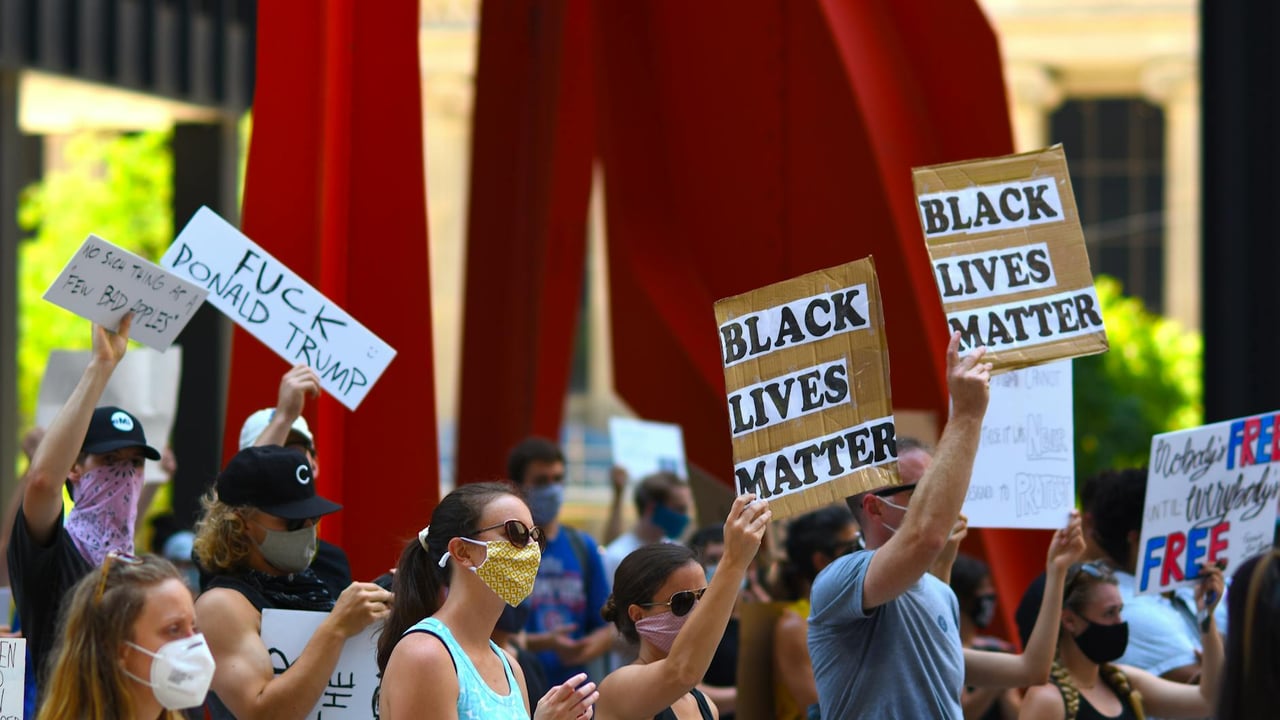
Protesters gather with signs supporting Black Lives Matter and denouncing Donald Trump in a peaceful rally.

Key Takeaways

  • 1President Trump conducted a media tour of the new White House banquet hall construction site in May 2026.
  • 2The facility is specifically designed to be 'drone-proof,' addressing contemporary security vulnerabilities.
  • 3The project is being framed by the administration as a 'gift to the nation' and a long-term legacy project.
  • 4The renovation highlights a broader shift toward hardening federal buildings against unmanned aerial threats.

Editor's
Desk

Strategic Analysis

The renovation of the White House banquet hall serves as a potent symbol of the 'Securitization of Spectacle.' By emphasizing drone defense, the Trump administration acknowledges the shifting landscape of modern terrorism and surveillance, where the sky is no longer a safe zone. However, by labeling the project a 'gift,' the President is also utilizing infrastructure as a political tool to cultivate a lasting physical legacy, much like his past branding of real estate developments. This move effectively fuses national security necessities with the personalized, populist rhetoric that has defined his political career, turning a routine federal construction project into a statement of strength and benevolence.

China Daily Brief Editorial
Strategic Insight
China Daily Brief

In a characteristic blend of high-stakes security and personal branding, President Donald Trump led reporters through the skeletal remains of a construction site within the White House grounds on May 20, 2026. The project, a massive renovation and expansion of the White House banquet facilities, is being positioned not merely as an architectural upgrade, but as a critical fortification against the evolving threats of the mid-2020s.

Central to the tour was the President's emphasis on the structure's defensive capabilities. Trump highlighted specific design choices intended to neutralize the threat of unmanned aerial vehicles (UAVs), a technology that has moved from the battlefield to a primary concern for domestic security agencies. By framing the banquet hall as 'drone-proof,' the administration is signaling a shift toward a more permanent 'fortress' mentality for the executive residence.

The rhetoric surrounding the construction mirrors the President’s long-standing focus on tangible legacy-building. Describing the facility as a 'gift to America,' Trump is attempting to pivot the narrative away from the costs associated with such high-profile federal renovations toward a legacy of national resilience and foresight. This branding exercise seeks to link his administration's identity with the physical preservation of the presidency's seat of power.

Beyond the political framing, the focus on anti-drone technology reflects a global trend in which traditional perimeter security is no longer sufficient. As small, maneuverable drones become more sophisticated and accessible, the hardening of glass, roofs, and electronic signals at the White House represents a necessary evolution in urban protective services. The construction serves as a case study in how modern infrastructure must now account for asymmetric threats from the sky.

Share Article

Related Articles

📰
No related articles found