
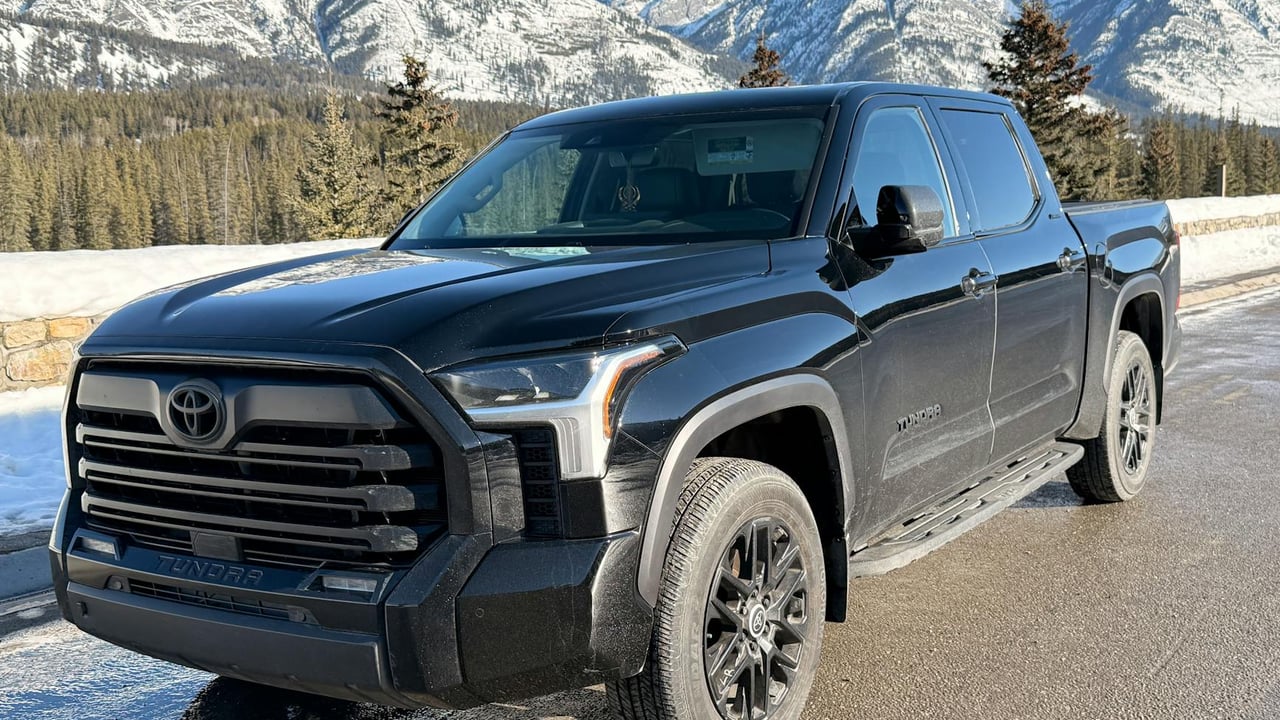

Toyota’s long-standing reputation for bulletproof reliability has hit a significant snag with the announcement of another major recall involving its flagship 2024 Tundra pickup. On May 20, 2026, the Japanese automaker confirmed it is recalling approximately 44,000 non-hybrid Tundras in the United States and Latin America. The safety action addresses a persistent manufacturing defect that has plagued the model line for two years.
The technical failure stems from machining debris—microscopic metal fragments—left inside the engine blocks during the manufacturing process. These contaminants can work their way into the engine's internal systems, causing abnormal noise, failure to start, or a sudden loss of power while the vehicle is in motion. Such failures at highway speeds represent a critical safety hazard, significantly elevating the risk of collisions for drivers and passengers.
What makes this recall particularly damaging is its recurring nature. This marks the third time Toyota has attempted to solve the same debris-related issue, following previous recalls in May 2024 and November 2025. While Toyota had previously implemented enhanced cleaning protocols in its production lines, it has now admitted that these measures were insufficient to prevent damage to the engine's number one main bearing. Newer engines have finally been fitted with redesigned bearings intended to withstand any remaining microscopic impurities.
This cycle of recalls comes at a sensitive time for the Japanese automotive industry, which is already under intense pressure from aggressive Chinese competitors. As brands like Geely and BYD tout new records in engine thermal efficiency and hybrid fuel economy, Toyota’s struggle with basic mechanical manufacturing cleanliness offers a rare opening for rivals. The persistent 'debris' problem suggests that even the masters of the 'Kaizen' philosophy are struggling to manage the complexities of modern internal combustion production under tight global supply chains.