
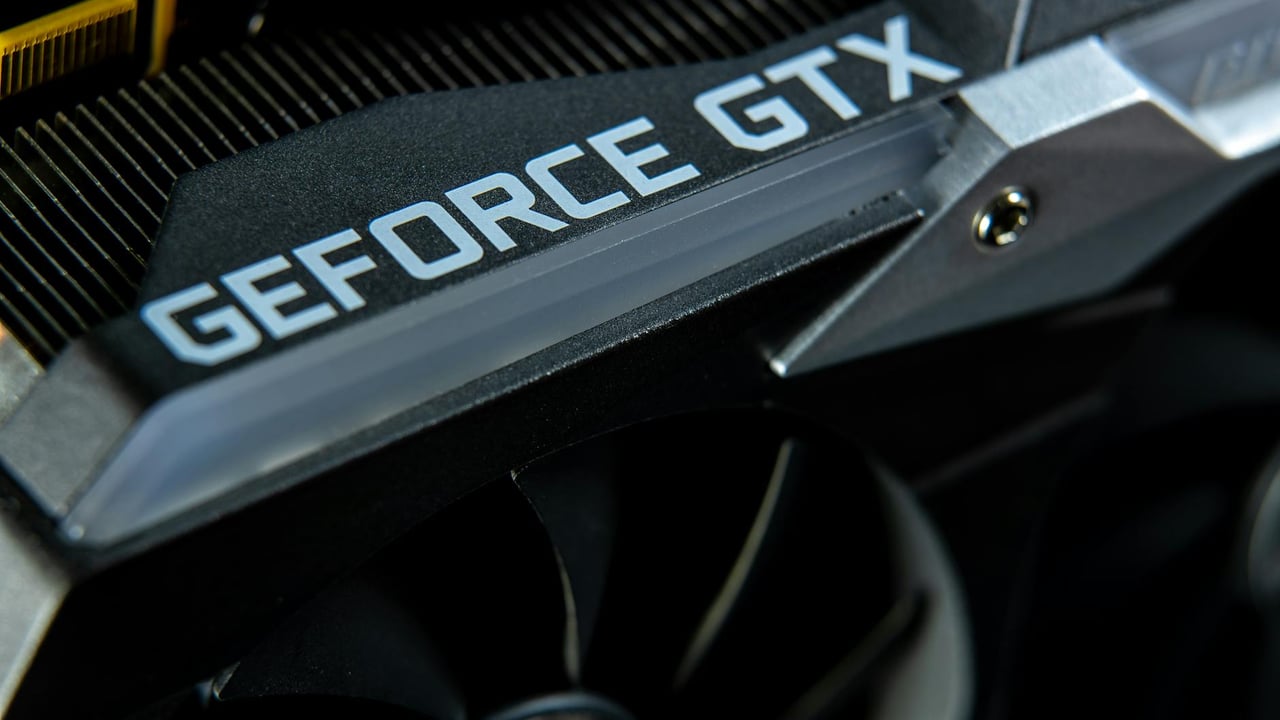

Nvidia has once again shattered market expectations, posting a staggering 85% increase in revenue for the first fiscal quarter. This performance underscores the insatiable global demand for artificial intelligence infrastructure, which has become the primary engine of modern capital markets. By significantly boosting its stock buyback program to $80 billion, the chipmaker is signaling profound confidence in a sustained AI 'supercycle' that transcends traditional hardware cycles.
The momentum in the high-tech sector is further amplified by SpaceX’s formal filing for an initial public offering. The move to go public on the Nasdaq marks a watershed moment for the commercial aerospace industry, potentially unlocking the massive capital required for Mars-bound ambitions and the expansion of satellite internet constellations. These developments suggest a tech-heavy investment landscape that remains remarkably resilient despite persistent macroeconomic headwinds.
On the geopolitical front, Beijing and Moscow have tightened their strategic embrace through a joint declaration championing a 'multipolar world.' This document serves as a programmatic vision for an alternative international order, challenging the perceived hegemony of Western institutions. It reinforces the narrative of a deepening alignment between the two powers, focused on maintaining a global balance of power that favors non-Western sovereign interests.
Domestically, China continues its aggressive campaign to rationalize healthcare costs through the second round of centralized coronary stent procurement. By leveraging its immense state purchasing power, the government has successfully driven down prices for high-value medical consumables, benefiting millions of patients. This policy remains a cornerstone of China's internal strategy to balance high-tech industrial growth with social welfare stability.
However, the global corporate landscape remains fraught with friction. The US Department of Justice's recent indictment of CIMC Group and its executives for alleged price-fixing highlights the persistent legal and regulatory risks facing Chinese industrial giants operating abroad. This, alongside the fragile labor peace at Samsung Electronics following a narrowly averted strike, illustrates the volatile nature of global supply chains and the delicate balance of labor-management relations in the current economy.