
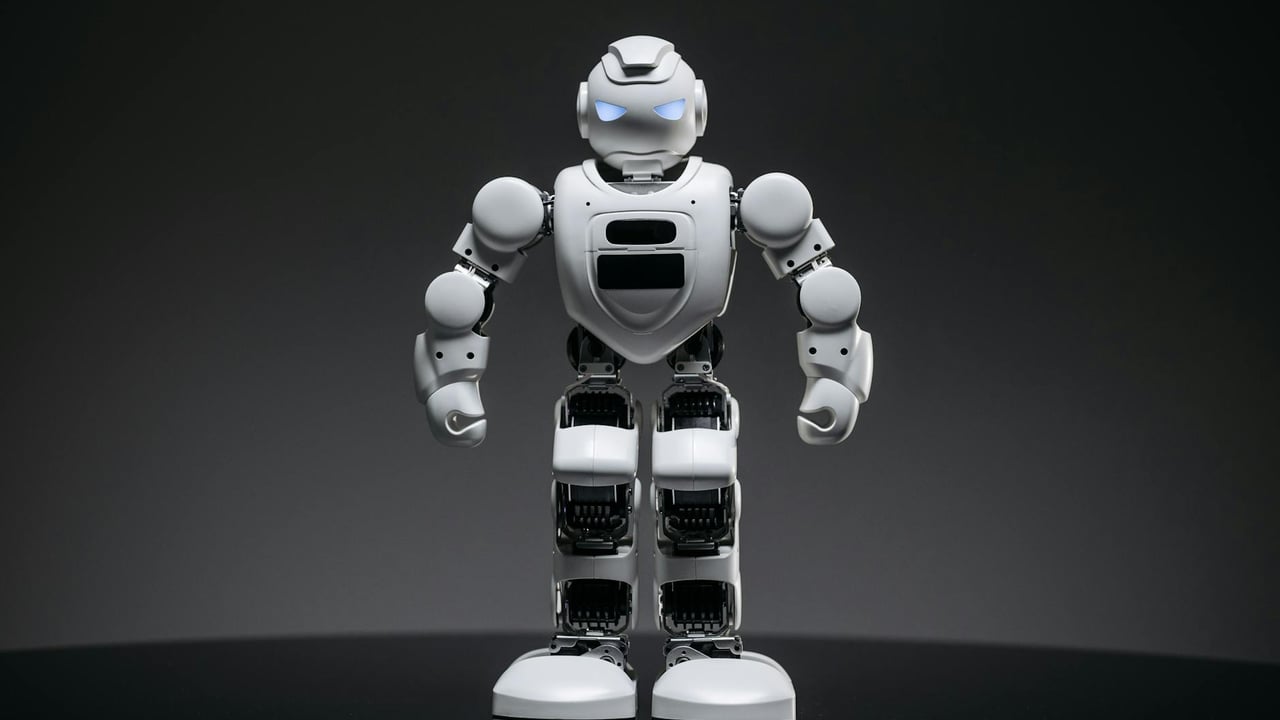

The quest for a truly autonomous domestic helper took a significant leap forward this week in Wuhan with the unveiling of the Shiguang S1. Billed as China’s first general-purpose robot specifically designed for the complexities of a household environment, the S1 represents a pivot from the rigid, pre-programmed automation of the industrial sector toward the fluid, adaptable logic required for domestic life. Developed by Hubei Jijia Shijie Robot Technology in collaboration with regional humanoid innovation centers, the robot is a direct response to the growing global competition in 'embodied intelligence.'
During a live demonstration on May 20, the Shiguang S1 performed a suite of tasks that have long been the 'holy grail' of consumer robotics, including cooking, laundry, folding clothes, and tidying cluttered surfaces. Observers noted the fluidity of its movements, which contrast sharply with the jerky, repetitive motions of earlier prototypes. The machine's ability to navigate the unstructured and often unpredictable environment of a family home marks a milestone in the commercialization of humanoid technology in China.
Technologically, the S1 distinguishes itself by moving away from traditional scripted behavior. Instead, it utilizes an embodied intelligence model that allows it to understand task objectives and autonomously plan its own motion paths. By processing environmental data in real-time, the robot can optimize its performance through continuous interaction, essentially 'learning' the layout and specific requirements of the home it inhabits. This shift from 'if-then' programming to goal-oriented reasoning is what tech analysts believe will finally bridge the gap between laboratory curiosities and viable consumer products.
The launch also underscores Wuhan’s emerging status as a critical hub in China's national robotics strategy. The involvement of the Hubei Humanoid Robot Industry Alliance suggests a coordinated effort to build a vertical supply chain within the province. As China faces a looming demographic crisis characterized by a shrinking workforce and a rapidly aging population, the strategic push for domestic robots is no longer just about luxury—it is becoming a vital component of the nation’s future social and economic infrastructure.