
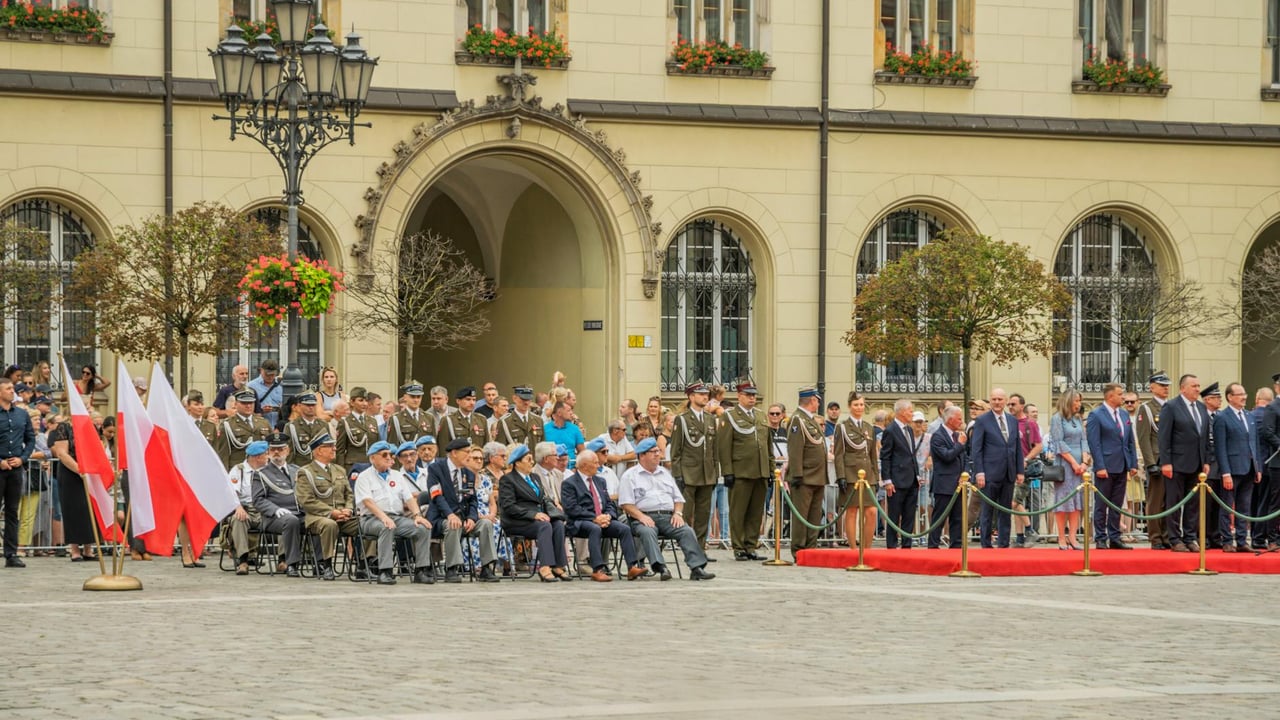

In a move that underscores the Trump-Vance administration's shifting stance on transatlantic security, Vice President JD Vance characterized the cancellation of a 4,000-strong troop deployment to Poland as a mere 'routine rotation delay.' Speaking from the White House, Vance sought to downplay concerns that the United States is abandoning its Eastern Flank allies, insisting that the decision was not a permanent reduction in force but a tactical adjustment.
The order, issued by Defense Secretary Pete Hegseth, halts the planned nine-month rotation of the Army’s 2nd Armored Brigade Combat Team, 1st Cavalry Division. While the move has sent ripples through European capitals, Vance framed the withdrawal as a necessary catalyst for continental self-reliance. He argued that the United States can no longer serve as the 'world's police' and that Europe must begin to stand on its own feet—a persistent theme of the current administration’s foreign policy.
This shift occurs against a backdrop of broader military restructuring across Europe. Just weeks prior, President Trump signaled intentions to slash troop levels in Germany far beyond previous estimates, a move critics suggest is a direct response to Berlin's reluctance to align with Washington’s hardline stance on Iran. The administration’s rhetoric suggests that security guarantees are no longer unconditional, but rather contingent on shared strategic objectives and increased defense spending by allies.
While Vance dismissed claims of a 'mass withdrawal' as hyperbolic, the timing of these decisions suggests a fundamental recalibration of the NATO alliance. By characterizing the Polish delay as 'encouraging autonomy,' the administration is effectively testing the limits of European defense integration. For frontline states like Poland, which have long viewed a permanent U.S. presence as their primary deterrent against Russian aggression, this 'routine delay' signals a precarious new era of transactional security.