Rhetoric vs. Reality: Trump Pushes for Rapid Iran Resolution Amid Congressional Pushback

President Trump has expressed a desire to end the conflict with Iran quickly, claiming Tehran is ready for a deal. However, the U.S. Senate is concurrently working to limit his war powers, while the U.S. Navy continues to escalate its maritime blockade by seizing Iranian oil tankers.

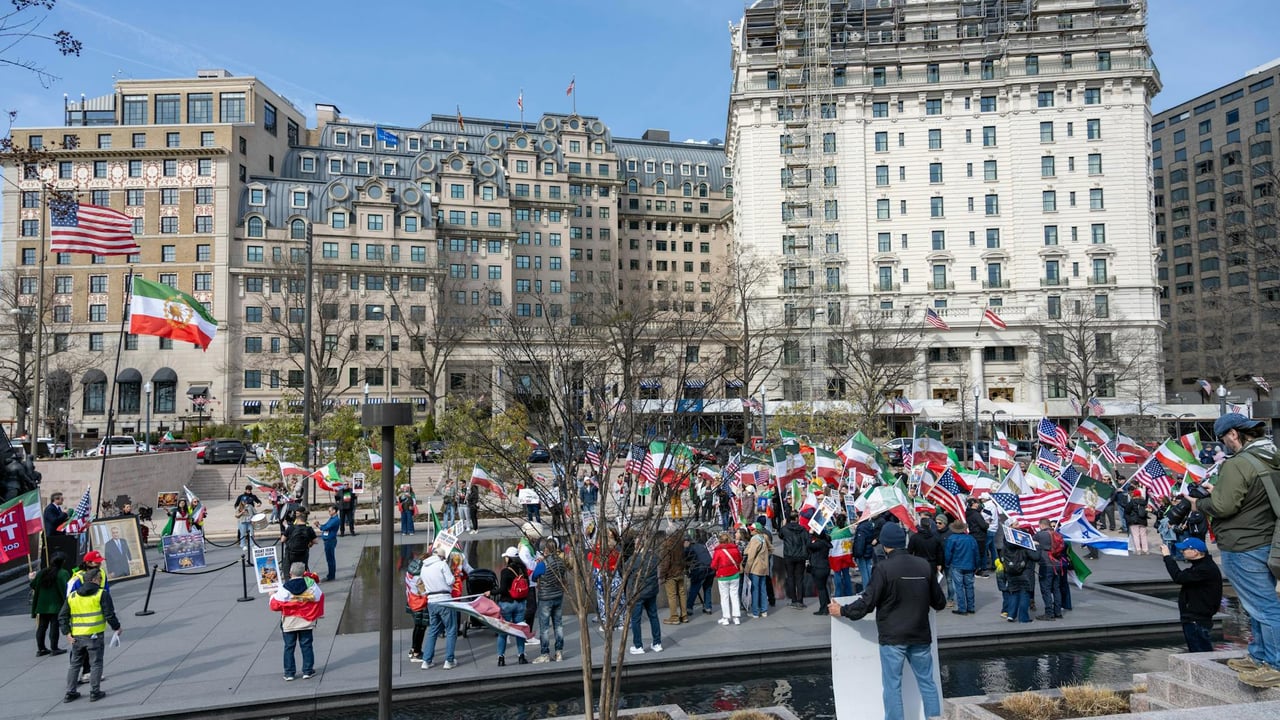
A vibrant demonstration with flags in Lafayette Square, Washington, DC with historic buildings in the background.

Key Takeaways

  • 1President Trump claims Iran is 'desperate' for an agreement and predicts a 'very quick' end to hostilities.
  • 2The U.S. Senate voted 50-47 to advance a bill requiring congressional approval for military actions against Iran.
  • 3U.S. forces seized the 'Tianbo' tanker in the Indian Ocean, which was carrying over one million barrels of Iranian oil.
  • 4The U.S. Central Command has forced 89 commercial ships to change course as part of a maritime blockade.
  • 5A significant gap remains between the administration’s diplomatic rhetoric and its military enforcement on the ground.

Editor's
Desk

Strategic Analysis

The current situation reveals a classic 'Trumpian' paradox: the president is attempting to use overwhelming military and economic leverage to force a rapid diplomatic exit. By seizing tankers and enforcing a strict blockade, the administration aims to make the status quo untenable for Tehran. However, the narrow Senate vote indicates that the domestic political consensus for such high-stakes brinkmanship is fracturing. If Trump cannot secure a 'decent' deal quickly, he may find himself trapped between a military strategy that demands escalation and a legislature that is increasingly determined to pull the plug on his authority.

China Daily Brief Editorial
Strategic Insight
China Daily Brief

President Donald Trump signaled a desire to bring the protracted conflict with Iran to a 'very quick' conclusion during a recent White House address. Asserting that Tehran is 'desperate' for a deal and exhausted by the state of hostilities, Trump reiterated his administration's red line: Iran must never possess a nuclear weapon. Despite the optimistic tone, the president’s rhetoric reflects a familiar strategy of combining public overtures with intensive military and economic pressure.

While the White House projects confidence in a swift diplomatic breakthrough, the U.S. Senate is moving to reclaim its constitutional oversight. In a narrow 50-47 vote, lawmakers advanced a bill that would require the president to secure congressional authorization for any future military action against Iran. This legislative maneuver underscores a growing bipartisan anxiety over unilateral executive escalations and the potential for an unintended slide into broader regional war.

On the high seas, the reality of the conflict remains starkly kinetic. U.S. naval forces recently seized the 'Tianbo,' an Iranian-linked tanker carrying over one million barrels of crude oil, as it traversed the Indian Ocean. The vessel had been under U.S. sanctions since March, and its seizure highlights the uncompromising nature of the maritime blockade currently enforced across the Arabian Sea and the Gulf of Oman.

According to the Pentagon, this interdiction is part of a wider effort to choke off Tehran’s primary revenue streams. The U.S. Central Command reported that its forces have successfully compelled 89 commercial vessels to alter their courses in recent weeks. This aggressive enforcement of the 'maximum pressure' campaign suggests that while the president speaks of peace, the military apparatus is doubling down on a strategy of total economic isolation.

Share Article

Related Articles

📰
No related articles found