
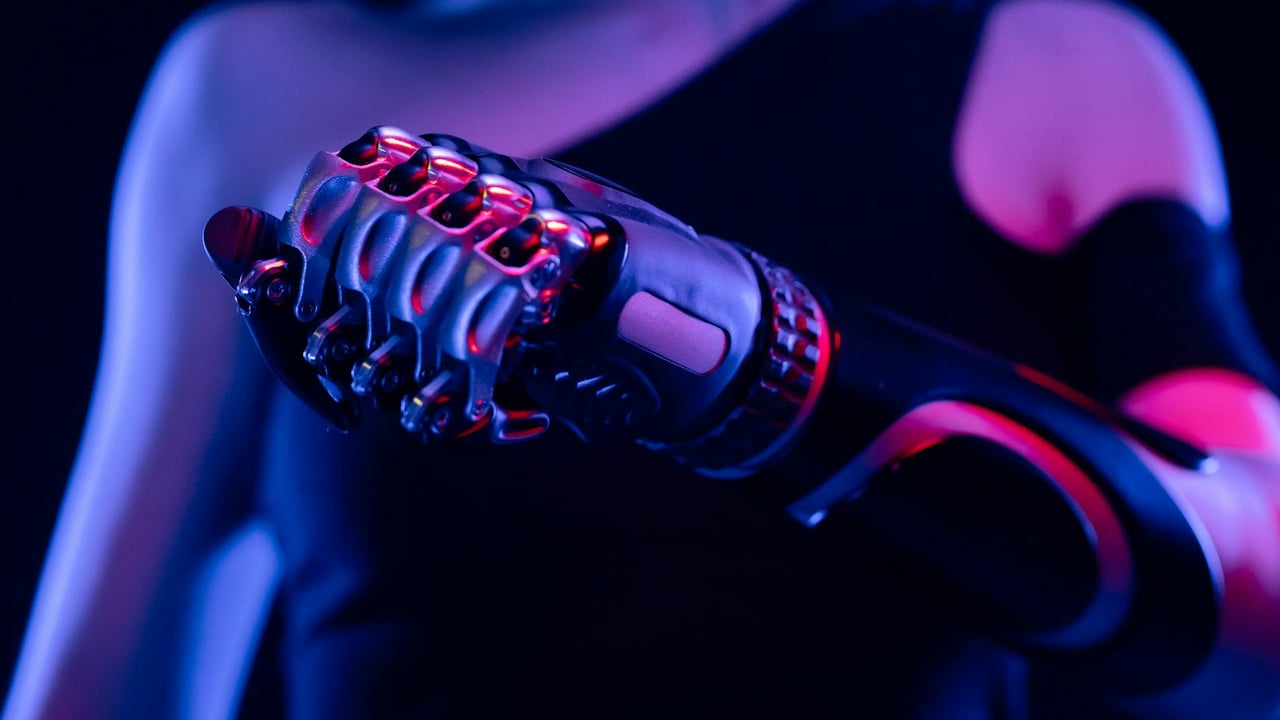

A research team at Beihang University has achieved a landmark breakthrough in medical robotics, developing a wearable exoskeleton that demonstrates the potential to substantively reverse severe muscle atrophy in children. The study, published on May 20 in the prestigious journal Nature, marks a paradigm shift from traditional rehabilitation which typically focuses on slowing degeneration rather than active regeneration.
Led by Professor Feng Yanggang, the team’s wearable rehabilitation robot provides high-precision physical training protocols that stimulate muscle growth through a synergy of mechanical assistance and physiological feedback. This scientific approach has proven that targeted physical intervention, facilitated by advanced robotics, can trigger biological responses capable of regrowing muscle mass in pediatric patients who were previously deemed to have irreversible conditions.
Historically, severe muscular atrophy has been a therapeutic dead end, often leading to permanent loss of mobility. The integration of wearable technology into the treatment cycle allows for consistent, high-intensity training that would be impossible through manual physical therapy alone. By bridging the gap between mechanical engineering and clinical medicine, the Beihang team has provided a new blueprint for treating degenerative neuromuscular disorders.
The global medical community is closely watching this development as it underscores China's rising dominance in the 'human-machine interface' sector. This achievement not only highlights the country's growing prowess in high-end medical device manufacturing but also suggests a future where wearable technology becomes a standard biological intervention rather than just a mobility aid.