
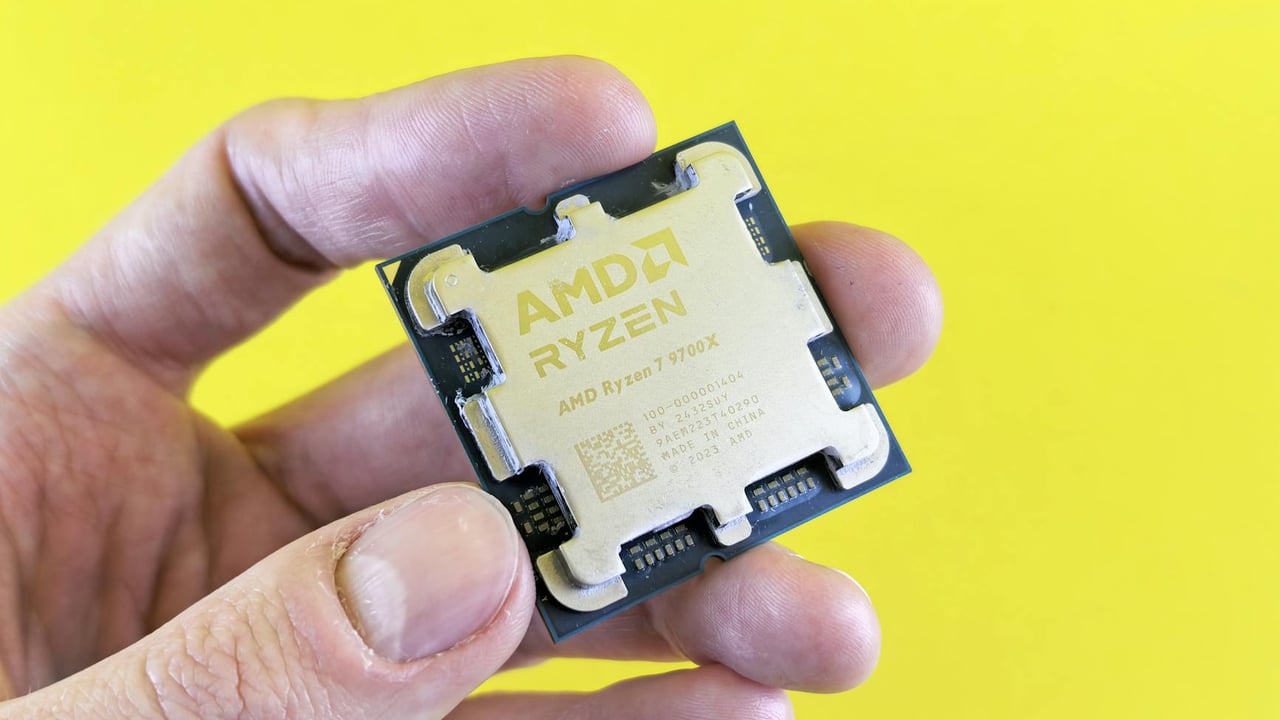

Advanced Micro Devices (AMD) has signaled a decisive shift in the semiconductor arms race by announcing the mass production of its next-generation EPYC processor, code-named ‘Venice.’ By utilizing TSMC’s cutting-edge 2nm process technology, AMD has secured a first-mover advantage in the high-performance computing (HPC) sector. This milestone marks the industry’s first 2nm product to enter the volume manufacturing stage, effectively leapfrogging competitors still navigating the complexities of the 3nm node.
The transition to 2nm represents more than just a marginal improvement in clock speeds; it is a fundamental leap in transistor density and energy efficiency. As data centers grapple with the astronomical power demands of generative AI, the ‘Venice’ architecture aims to provide the necessary thermal headroom and computational throughput to sustain the next wave of neural network scaling. AMD has also confirmed that this 2nm roadmap will extend to its subsequent data center CPU line, known as ‘Verano,’ ensuring a long-term technological pipeline.
This announcement arrives at a pivotal moment as AMD CEO Lisa Su deepens the company's engagement with the Chinese market. During her recent visit to Beijing and Shanghai, Su highlighted the vibrancy of China’s AI ecosystem, positioning AMD as a critical partner for local developers and infrastructure providers. Despite the backdrop of tightening international trade controls, AMD is clearly betting on its architectural lead to maintain a foothold in the world’s most demanding compute markets.
The strategic alliance with TSMC remains the cornerstone of AMD’s success, allowing it to bypass the manufacturing hurdles that have historically plagued its rivals. By being the first to market with 2nm silicon, AMD is not only challenging Intel’s traditional dominance in the server room but is also creating a sophisticated platform for the integrated AI workloads that are now defining the modern enterprise. The launch of ‘Venice’ serves as a stark reminder that in the world of high-end silicon, the lead is often measured in nanometers.