
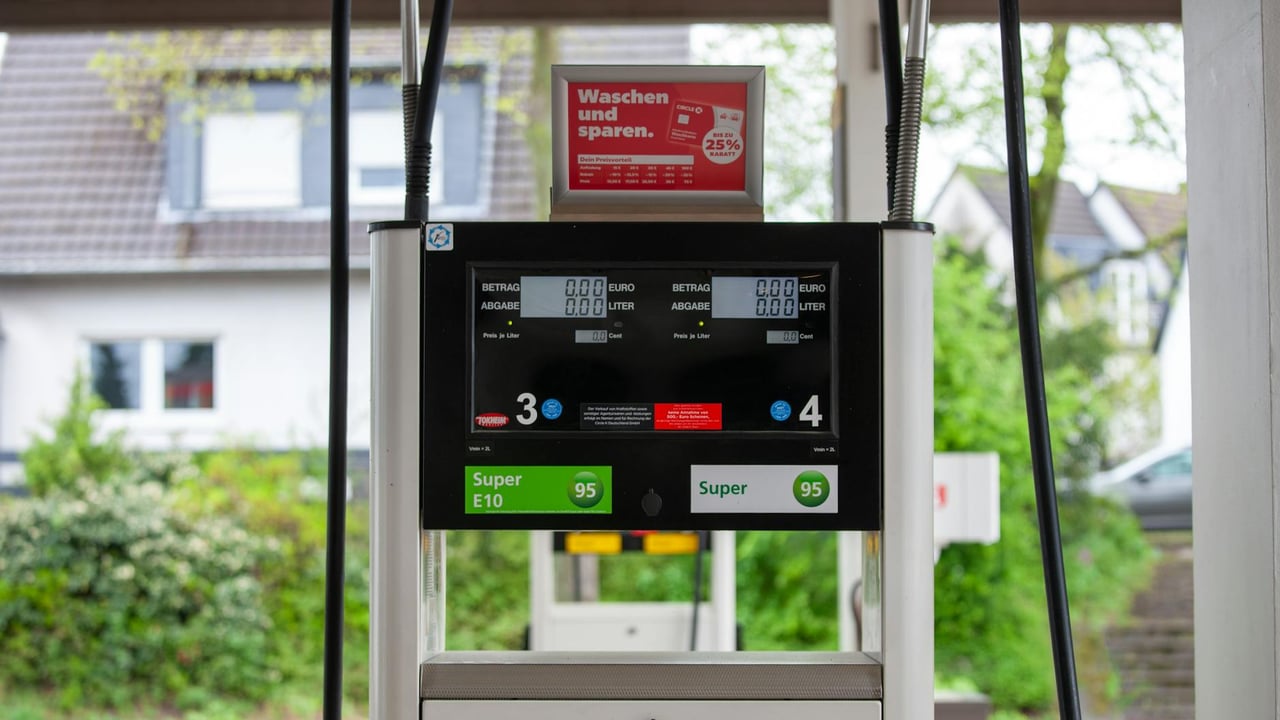

The National Development and Reform Commission (NDRC), China’s top economic planner, announced another upward adjustment to domestic retail fuel prices on May 21, marking the eighth such increase in just ten pricing windows this year. Effective at midnight, gasoline and diesel prices rose by 75 yuan and 70 yuan per ton, respectively. While the immediate impact translates to a modest increase of approximately 0.06 yuan per liter, the cumulative effect highlights a year of persistent upward pressure on energy costs.
For the average private car owner, filling a 50-liter tank now costs an additional 3 yuan, a negligible amount in isolation. However, the narrative is different for the logistics sector, where heavy-duty trucks traveling 10,000 kilometers per month will see monthly fuel expenses climb by over 100 yuan. This steady creep in operating costs is a critical concern for China’s industrial recovery, as the 'eight-up, one-down, one-flat' pattern for 2026 underscores the difficulty of maintaining price stability in a volatile global environment.
Global crude markets have been whip-sawed by geopolitical friction in the Middle East, particularly the high-stakes standoff between Washington and Tehran. Although international prices saw a temporary retreat following news of a 30-day extension on Russian oil sanctions and a record-breaking release of 10 million barrels from the U.S. Strategic Petroleum Reserve, the average price over the current 10-day cycle remained high enough to trigger the domestic hike. Analysts note that while the market is currently pricing in a 'wait-and-see' approach regarding U.S.-Iran negotiations, the risk premium remains baked into the current cost structure.
Adding complexity to the domestic situation is a notable slump in China’s own refinery output. Data from the National Bureau of Statistics reveals that in April, production of gasoline, kerosene, and diesel fell by 4.4%, 16.6%, and 3.4% year-on-year, respectively. This contraction in refined oil production suggests either a cooling in domestic industrial demand or a shift in strategic inventory management as the country balances high import costs against domestic price caps.
Looking ahead, the market is bracing for the next adjustment window on June 4. The consensus among energy analysts at Longzhong Information and J聯創 suggests a high probability of a price 'standstill' if the current downward trend in WTI and Brent futures persists. However, the rhetoric remains heated; with U.S. leadership insisting on preventing a nuclear-armed Iran and Tehran pledging 'historic resistance,' the energy corridor of the Strait of Hormuz remains a focal point for potential price shocks.