China Navigates Volatile Energy Markets with Incremental Fuel Price Hike

China has implemented a modest increase in gasoline and diesel prices following global oil market trends. The adjustment underscores Beijing's commitment to its market-linked pricing mechanism while the broader economy continues to pivot toward electric commercial transport.

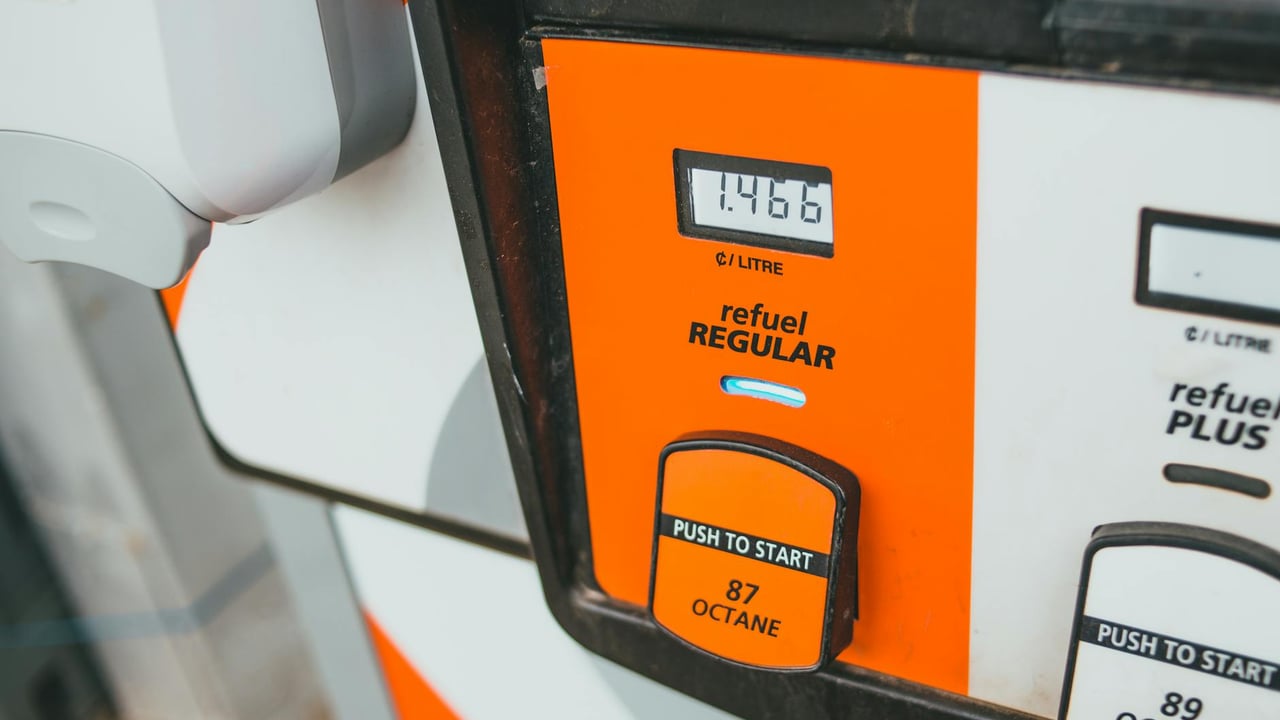
Detailed view of a gas pump showing price and octane level 87.

Key Takeaways

  • 1Gasoline prices rose by 75 yuan per ton and diesel by 70 yuan per ton effective May 21, 2026.
  • 2The adjustment is based on the NDRC's 10-working-day cycle tracking international crude oil prices.
  • 3The price hike occurs amidst a significant surge in the adoption of electric heavy-duty trucks in the domestic logistics sector.
  • 4China’s fiscal revenue grew 3.5% in early 2026, providing a stable backdrop for market-oriented energy pricing.

Editor's
Desk

Strategic Analysis

Beijing’s management of fuel prices is increasingly less about simple inflation control and more about incentivizing a structural exit from oil dependency. By allowing domestic prices to rise in tandem with global benchmarks, the NDRC is effectively subsidizing the psychological and economic argument for electrification. We are seeing a 'pincer movement' in Chinese policy: maintaining a predictable, market-linked fuel regime for the legacy fleet while aggressively clearing the path for EVs and hydrogen through industrial policy. This moderate hike serves as a gentle but persistent reminder to the logistics sector that the era of cheap, stable fossil fuels is over, further accelerating China's lead in the global energy transition.

China Daily Brief Editorial
Strategic Insight
China Daily Brief

China’s National Development and Reform Commission (NDRC) announced a marginal increase in domestic fuel prices, effective from midnight on May 21, 2026. Gasoline and diesel prices will rise by 75 yuan ($10.35) and 70 yuan per ton, respectively. This adjustment reflects the state’s ongoing commitment to a formulaic pricing mechanism that tracks international crude oil fluctuations over a 10-working-day cycle.

While the hike is relatively modest in absolute terms, it highlights the delicate balancing act Beijing must maintain between global market realities and domestic economic stability. As the world’s largest oil importer, China remains acutely sensitive to the geopolitical tensions and supply-side constraints that dictate global benchmarks. These incremental shifts serve as a barometer for the cost of logistics and personal transport across the mainland.

The timing of the increase coincides with a broader structural shift in the Chinese automotive landscape. As traditional internal combustion engine costs creep upward, the domestic market is seeing a surge in 'green' alternatives. Recent data suggests that electric heavy-duty trucks and commercial vehicles are gaining significant traction, particularly in sectors previously dominated by diesel, as enterprises look to hedge against long-term fuel price volatility.

Furthermore, the price adjustment arrives as China reports a steady 3.5% year-on-year growth in general public budget revenue for the first four months of the year. By allowing domestic prices to track international markets, the NDRC ensures that state-owned refiners maintain viable margins while signaling to the public the necessity of energy conservation and the strategic transition toward a low-carbon economy.

Share Article

Related Articles

📰
No related articles found