Power and Petulance: Gaza Aid Corridor Strained by Ministerial Confrontation

An Israeli minister reportedly humiliated Gaza aid ship crew members by forcing them to kneel and asserting Israeli dominance over the corridor. This incident highlights the growing tension between hardline Israeli politics and international humanitarian efforts, potentially threatening the stability of sea-based relief routes.

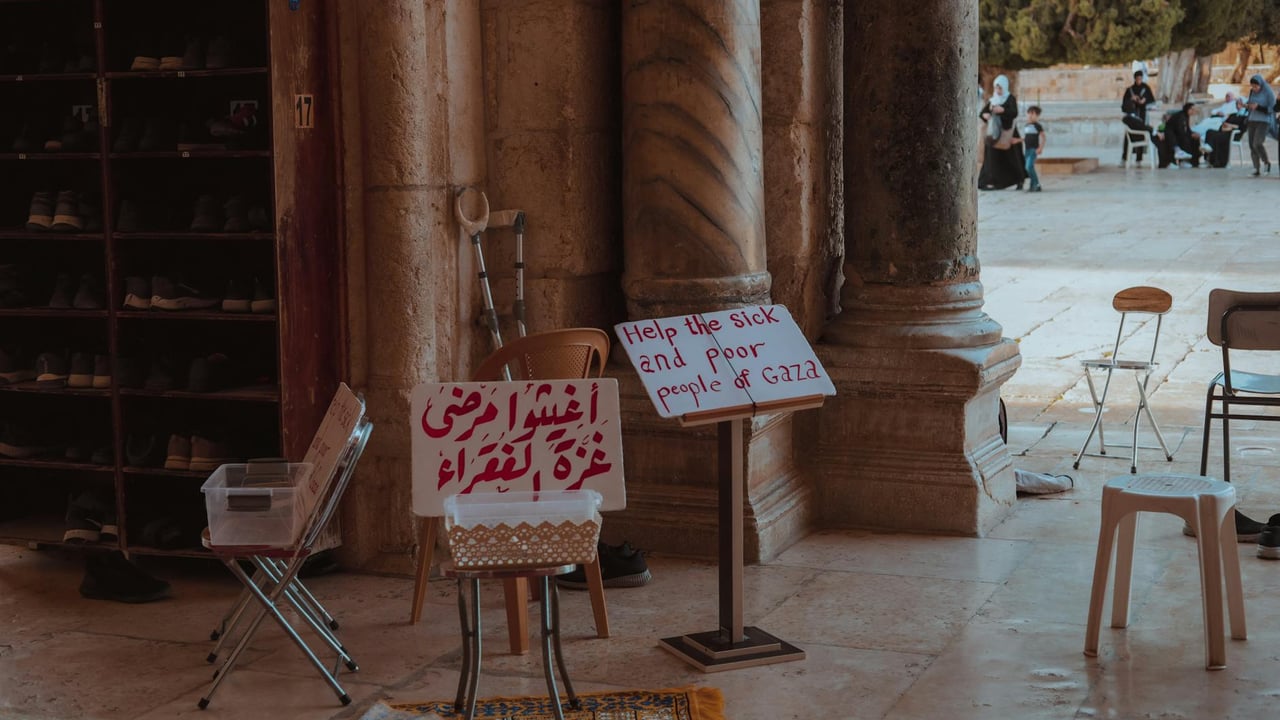
Signs for charity seeking help for Gaza at a historical site in Jerusalem.

Key Takeaways

  • 1An Israeli minister allegedly forced aid workers to kneel during a ship inspection, using inflammatory 'mastery' rhetoric.
  • 2The incident signifies a shift from security-based inspections to politically motivated displays of dominance.
  • 3Humanitarian organizations warn that such conduct jeopardizes the safety and recruitment of aid workers for maritime missions.
  • 4The confrontation increases diplomatic pressure on Israel from international allies who oversee the Gaza relief corridor.

Editor's
Desk

Strategic Analysis

This incident represents the precarious intersection of domestic populist signaling and international humanitarian law. By asserting 'mastery' in such a visceral manner, the official is likely attempting to reassure a domestic constituency that the government has not relinquished control despite international pressure to open aid routes. For external observers, including those in Beijing and the Global South, this narrative reinforces the critique of a 'rules-based order' that fails to protect civilian actors. From a strategic perspective, these types of confrontations make it increasingly difficult for moderate regional partners to collaborate with Israel on security, as the political cost of being associated with such incidents becomes prohibitively high.

China Daily Brief Editorial
Strategic Insight
China Daily Brief

The fragile maritime corridor intended to bring relief to a besieged Gaza Strip has faced a new and volatile challenge following reports of an Israeli minister's aggressive conduct toward humanitarian aid crews. During a recent inspection of a relief vessel, an unnamed high-ranking official allegedly forced crew members to kneel in a display of submission, purportedly declaring that Israel remains the "master" of the territory’s access points.

This incident marks a significant escalation in the friction between hardline elements of the Israeli government and the international humanitarian community. While the Israeli security apparatus has long insisted on rigorous inspections to prevent the smuggling of illicit materials, this latest confrontation appears to shift the focus from security to ideological dominance. The use of performative humiliation suggests a hardening of policy that prioritizes domestic political messaging over international cooperation.

International aid agencies have expressed deep concern that such hostile environments will deter the private and non-governmental operators who maintain these critical supply lines. As famine risks persist across Gaza, the maritime route remains one of the few alternatives to congested land crossings. Diplomats from the European Union and regional partners warn that treating aid workers as adversaries undermines the legal and ethical framework of the relief mission.

Within Israel, the rhetoric of "mastery" resonates with a right-wing base that views humanitarian concessions as a sign of weakness or a distraction from total military objectives. However, this stance further isolates the country on the world stage, providing critics with additional evidence of human rights violations. The tension between military necessity and humanitarian obligation continues to erode the trust required for a sustainable regional security architecture.

Share Article

Related Articles

📰
No related articles found