Beyond the Joystick: Nvidia Folds Gaming into Edge Computing as AI Pivot Reaches Final Form

Nvidia has officially reclassified its gaming revenue into a new Edge Computing category, reflecting a strategic shift away from its consumer graphics roots. This move highlights the overwhelming dominance of the company's data center and AI business, which now provides the vast majority of its growth.

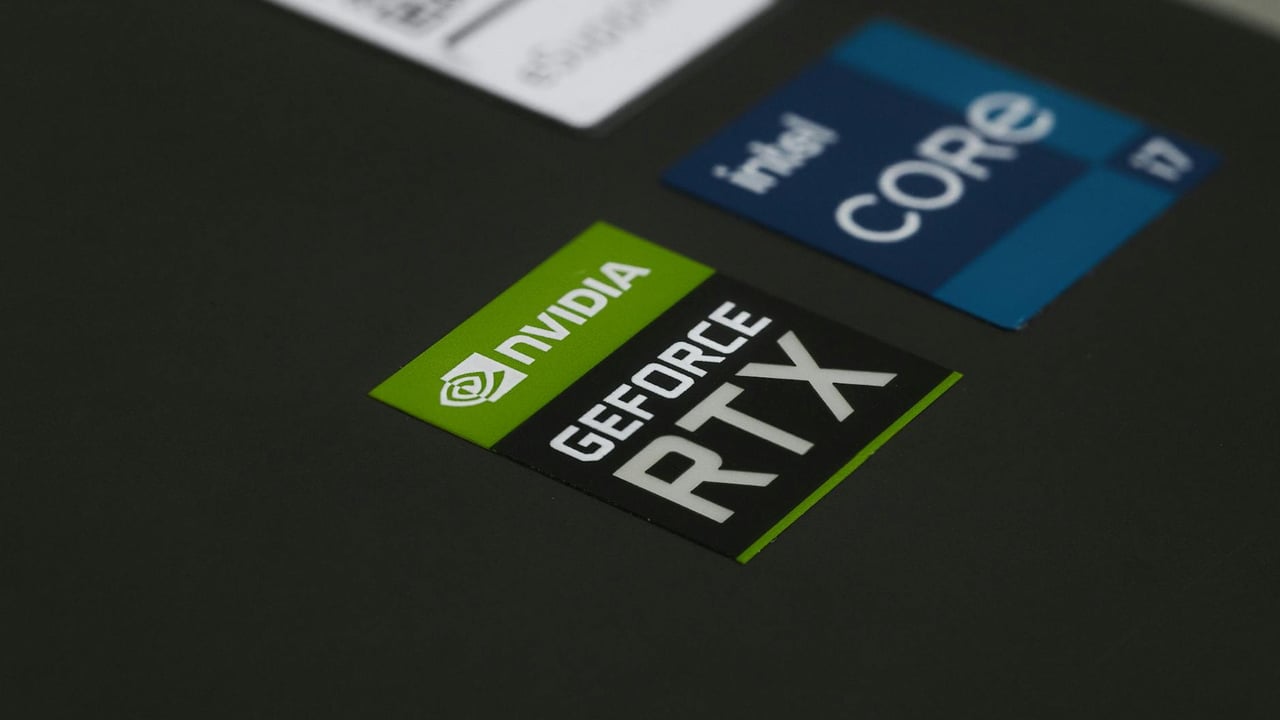
Close-up of NVIDIA GeForce RTX and Intel Core i7 stickers on a laptop surface, showcasing modern technology.

Key Takeaways

  • 1Nvidia's latest earnings report eliminates the standalone 'Gaming' business category, merging it into 'Edge Computing'.
  • 2The new Edge Computing segment reported $6.4 billion in revenue, driven largely by the GeForce product line.
  • 3Data center operations now contribute approximately 90% of Nvidia's total revenue, dwarfing the legacy gaming sector.
  • 4The rebranding signifies a push to align consumer hardware with the company's overarching AI and decentralized processing strategy.

Editor's
Desk

Strategic Analysis

The reclassification of gaming revenue is a calculated move to manage investor expectations and streamline Nvidia’s narrative as an 'AI-everything' company. For decades, the 'Gaming' label was synonymous with Nvidia’s identity, but in the current climate, it risks pigeonholing the company as a provider of luxury consumer hardware rather than critical infrastructure. By moving GeForce into 'Edge Computing,' Nvidia is signaling that the GPU’s future lies not just in rendering pixels, but in processing low-latency AI tasks at the periphery of the network—a shift that allows the company to maintain its high valuation by framing every product line as an AI play.

China Daily Brief Editorial
Strategic Insight
China Daily Brief

Nvidia has signaled the definitive end of its era as a gaming-first company by folding its iconic gaming division into a newly defined Edge Computing segment in its latest financial report. This administrative shift, while subtle in accounting terms, marks a profound strategic pivot for the Silicon Valley giant, which now draws the vast majority of its revenue from the high-stakes world of artificial intelligence and data centers.

The newly consolidated category reported a total of $6.4 billion in revenue, reflecting a steady but no longer explosive performance for the GeForce product line. While Nvidia remains the undisputed leader in high-end graphics cards for enthusiasts, the company’s internal reorganization suggests that gaming has been relegated from a primary growth engine to a supporting role within a broader decentralized computing ecosystem.

This move follows a period of unprecedented dominance in the AI hardware market, where Nvidia's H100 and Blackwell chips have become the lifeblood of the generative AI revolution. Recent data suggests that data center revenue now accounts for nearly 90% of the firm's total earnings, leaving the legacy gaming business as a stable but relatively minor footnote in its overall growth narrative.

By rebranding the segment as Edge Computing, CEO Jensen Huang is effectively telling Wall Street that the technology powering video games is now the same technology powering the industrial edge, autonomous vehicles, and local AI processing. It is a strategic effort to unify the company's hardware roadmap under a singular AI-first vision, ensuring that no part of the business is seen as disconnected from the intelligence boom.

Share Article

Related Articles

📰
No related articles found