Beijing’s Strategic Blueprint: Li Qiang Signals Deeper Push for Market Integration and Financial Oversight

Premier Li Qiang chaired a State Council meeting focusing on three pillars: accelerating the creation of a unified national market, approving a five-year plan for modernizing emergency response, and revising the PBOC Law. These measures aim to enhance domestic economic efficiency, proactive risk management, and central bank authority.

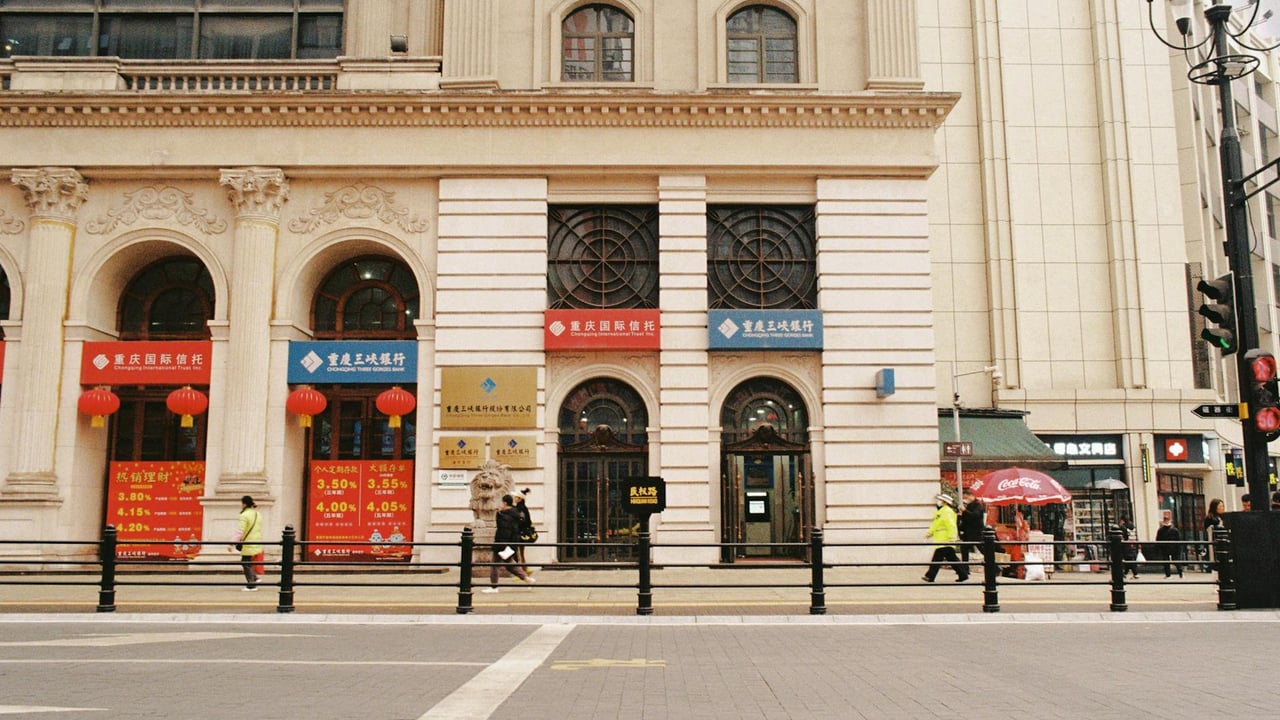
Street scene featuring classical architecture and pedestrians in an urban setting.

Key Takeaways

  • 1The 'Unified National Market' initiative aims to dismantle regional protectionism and lower nationwide logistics costs.
  • 2The '15th Five-Year Plan' for emergency management shifts focus toward source control and preventive measures for the 2026-2030 period.
  • 3A revision of the People’s Bank of China Law is underway to strengthen the central bank's legal authority and role in financial stability.
  • 4Emphasis was placed on institutional reforms regarding property rights protection, market access, and fair competition.
  • 5The government is calling for a 'large-scale safety' pattern to ensure stability amidst shifting social and economic pressures.

Editor's
Desk

Strategic Analysis

The focus on a 'Unified National Market' is the domestic pillar of China’s 'Dual Circulation' strategy, intended to make the internal economy the primary driver of growth. By addressing logistics costs and property rights, Beijing is attempting to create a more friction-less environment for private and state enterprises alike. Simultaneously, the PBOC Law revision is a defensive maneuver; as China faces debt challenges and property sector woes, the central bank requires more robust legal 'teeth' to manage liquidity and enforce stability. The timing of the '15th Five-Year Plan' for emergency systems suggests that Beijing is already looking past the current economic cycle, planning for a more volatile decade where resilience and internal security are as important as GDP growth numbers.

China Daily Brief Editorial
Strategic Insight
China Daily Brief

Chinese Premier Li Qiang’s latest State Council executive meeting has laid the groundwork for a more cohesive domestic economy, emphasizing the 'Unified National Market' as a cornerstone of China’s new development paradigm. By prioritizing the removal of regional trade barriers and the reduction of logistics costs, Beijing aims to unlock internal demand and streamline the movement of goods and services across provincial lines. The move reflects a realization that local protectionism remains a significant drag on national productivity and global competitiveness.

The meeting also saw the approval of the '15th Five-Year Plan' for the Modern Emergency System, marking a strategic shift from reactive disaster management to proactive risk prevention. This long-term planning, spanning 2026 to 2030, focuses on strengthening the 'grassroots' response and integrating technological solutions like 'tech-defense' into the national safety architecture. For international observers, this signals China’s intent to build a more resilient domestic environment capable of weathering both natural and man-made crises.

On the financial front, the discussion of the draft revision to the People’s Bank of China (PBOC) Law highlights a critical step in modernizing the nation’s financial legal framework. This legislative update is intended to provide a firmer legal basis for the central bank to perform its duties, particularly in maintaining financial stability and overseeing the banking sector. It aligns with a broader trend of centralizing financial governance to prevent systemic risks in an increasingly complex global economic landscape.

Ultimately, these policy directions suggest a government focused on internal consolidation. By harmonizing market rules and strengthening the institutional capacity of its central bank, Beijing is attempting to insulate its economy from external volatility while fostering a more efficient domestic environment. Success will depend on the ability of central authorities to overcome entrenched local interests that have historically resisted the dismantling of regional economic silos.

Share Article

Related Articles

📰
No related articles found