From Tranquil Island to Frontline Fortress: Japan’s High-Stakes Shift in the East China Sea

Japan is rapidly militarizing its southwestern islands, specifically Yonaguni, shifting its defense posture from surveillance to active combat readiness. This move, while framed as deterrence against regional threats, has sparked significant local opposition and concerns over the islands becoming primary targets in a potential conflict.

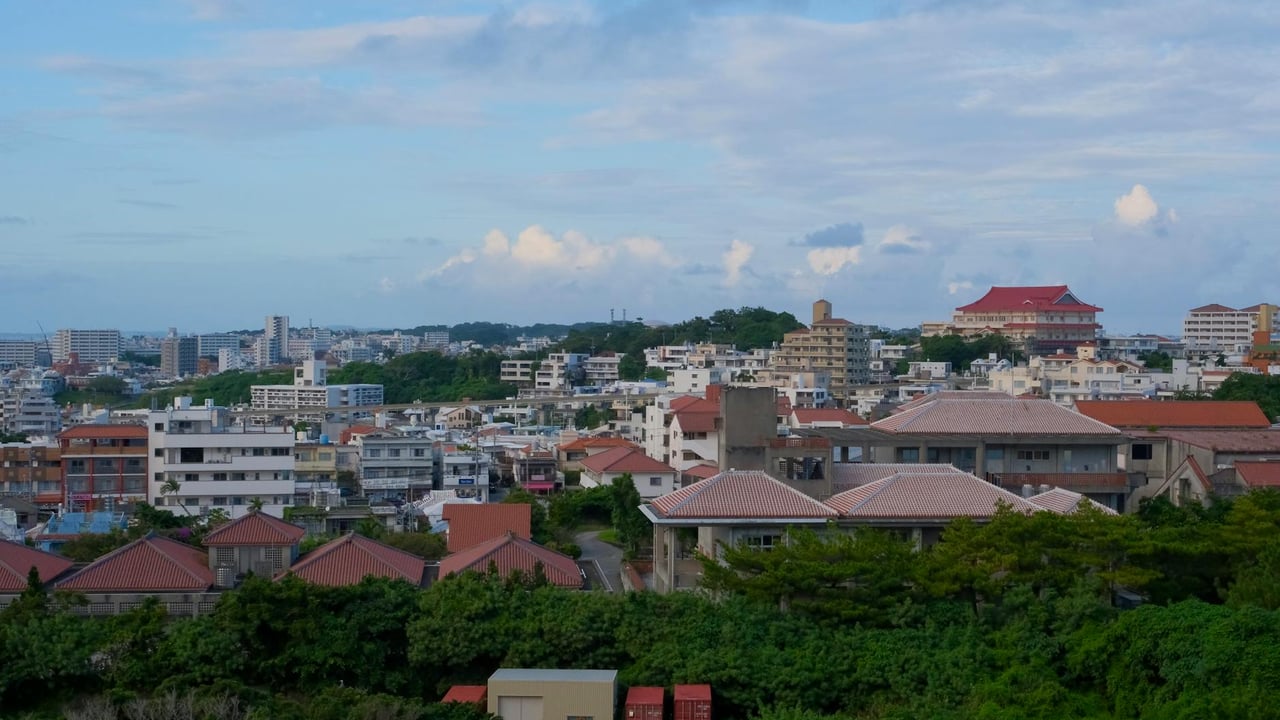
Panoramic view of Okinawa cityscape with traditional and modern buildings.

Key Takeaways

  • 1Japan is pivoting its primary defense focus from the north (Russia) to the southwestern island chain (China/Taiwan).
  • 2Deployment of Type 03 medium-range missiles on Yonaguni marks a transition from monitoring to offensive-capable defense.
  • 3Joint military exercises with US Marines are intensifying to enhance rapid response and interoperability in the region.
  • 4Civilian infrastructure, including ports and airports, is being integrated into a 'dual-use' military mobilization system.
  • 5Local residents express growing fear that their homes are being transformed into 'target islands' for potential retaliation.

Editor's
Desk

Strategic Analysis

The militarization of Yonaguni represents a classic security dilemma in the East China Sea. By seeking to bolster 'deterrence' through the deployment of advanced missile systems and electronic warfare units, Tokyo is effectively closing the gap between domestic defense and regional power projection. This shift is significant because it moves Japan away from its post-war 'shield' role into a more integrated 'spear' capacity alongside US forces. However, the internal friction within Okinawa and its outlying islands suggests a growing 'trust deficit' between the central government and the local populations who bear the brunt of geopolitical risk. If conflict does erupt, these islands are no longer just observation posts; they are the kinetic front line, a reality that is fundamentally reshaping Japan’s social and political landscape.

China Daily Brief Editorial
Strategic Insight
China Daily Brief

Yonaguni, the westernmost tip of the Ryukyu archipelago, was once defined by its 'Sunday afternoon' lethality—a place of wild ponies, sugarcane fields, and a dwindling population. Today, that tranquility is being pierced by the silhouettes of radar towers and electronic warfare installations. Just 110 kilometers from Taiwan, this 28-square-kilometer island has become the tip of the spear in Tokyo's radical security pivot.

This transformation is not merely architectural; it represents a fundamental realignment of Japanese grand strategy. For decades, the Self-Defense Forces (JSDF) looked north toward Russia. Now, the gaze is fixed south, as Tokyo constructs a 'southwest electronic arc' to monitor and potentially interdict Chinese maritime movements. Recent joint exercises with US Marines underscore a move from passive surveillance to active, integrated combat readiness.

The planned deployment of Type 03 medium-range surface-to-air missiles by 2030 signals a move beyond traditional 'exclusive defense.' By networking Yonaguni with Ishigaki and Miyako islands, Tokyo is effectively building a frontline blockade. For the Japanese government, this is essential deterrence in the face of regional volatility. For those living there, however, it feels more like being painted with a bullseye.

Public anxiety is mounting as civilian airports and harbors are repurposed for dual-use military logistics. Local leaders, once cautiously supportive of the economic boost from garrisons, are now facing a backlash from residents who fear being caught in a 'long-term war.' Critics argue that by transforming remote islands into fortresses, Japan is inadvertently escalating the very conflict it claims to be deterring.

This 'new militarism' has drawn sharp rebukes from regional neighbors, who view the buildup as a violation of Japan’s pacifist constitution. While Tokyo insists these measures are 'urgent and indispensable' for national safety, the reality on the ground is a community divided. As the roar of military drills replaces the silence of the coast, the line between civilian sanctuary and battleground continues to blur.

Share Article

Related Articles

📰
No related articles found