
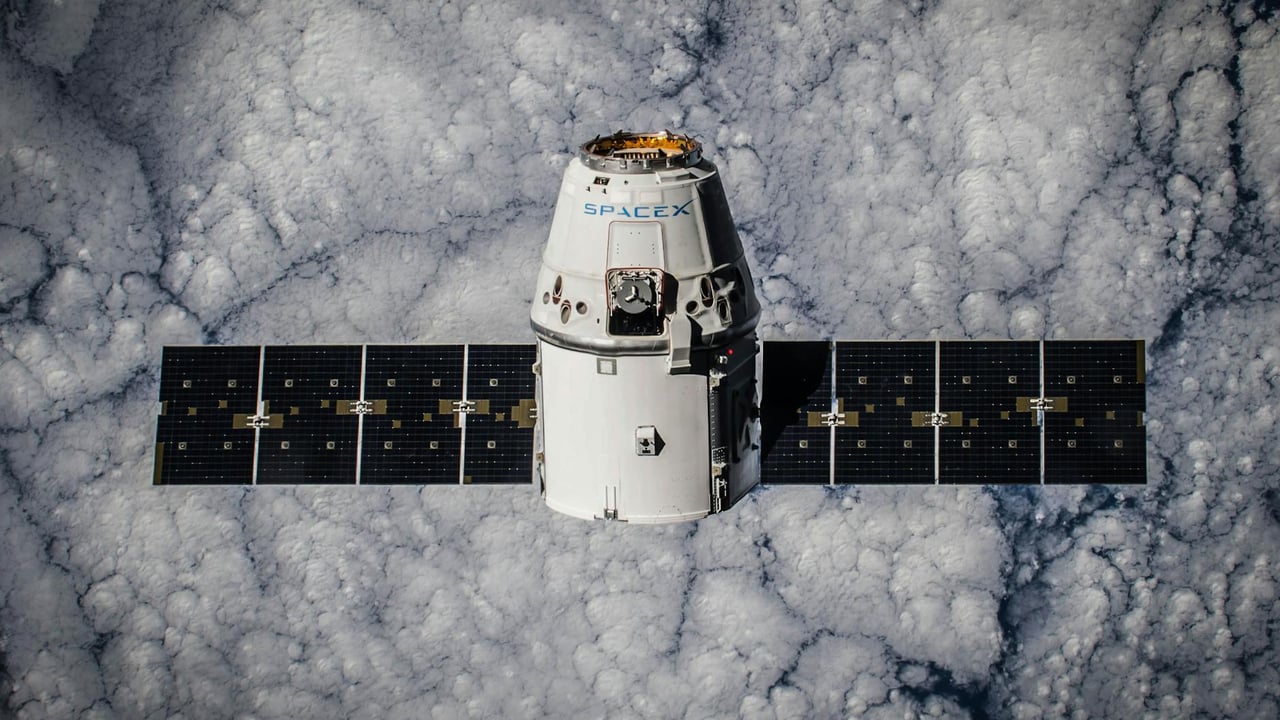

SpaceX is positioning itself at the intersection of renewable energy and artificial intelligence with a massive new manufacturing venture in Bastrop, Texas. Recent building permit applications reveal plans for a 10-gigawatt solar cell factory, a facility designed to support Elon Musk’s ambitious vision of powering off-world AI data centers. This move suggests that SpaceX is no longer merely a transportation company, but a nascent infrastructure titan aiming to control the energy supply chain for the next generation of computing.
The proposed facility near Austin features a sophisticated two-story design, with each level engineered to produce 5GW of solar cells annually. This scale is roughly equivalent to the entire annual solar manufacturing capacity of some mid-sized nations, highlighting the sheer magnitude of Musk's vertical integration strategy. By manufacturing its own cells, SpaceX can bypass traditional supply chain constraints and tailor energy solutions to the extreme environments of orbital or planetary deployments.
This expansion into high-volume energy production addresses a critical bottleneck in the current AI arms race: power. As terrestrial data centers face increasing scrutiny over their massive electricity consumption, Musk appears to be looking upward. Space-based data centers, unencumbered by atmospheric interference or terrestrial land-use regulations, could provide a novel solution for the high-compute demands of large language models, provided they have a reliable, high-density power source like the one this factory is built to supply.
The choice of Bastrop, Texas, further solidifies the region as the epicenter of the Musk empire. With Tesla’s Gigafactory and SpaceX’s Starbase already established in the state, this solar plant creates a manufacturing trifecta. This proximity allows for rapid cross-pollination of engineering talent and manufacturing techniques, effectively applying the automotive industry's 'mass production' philosophy to the specialized world of aerospace-grade energy hardware.