
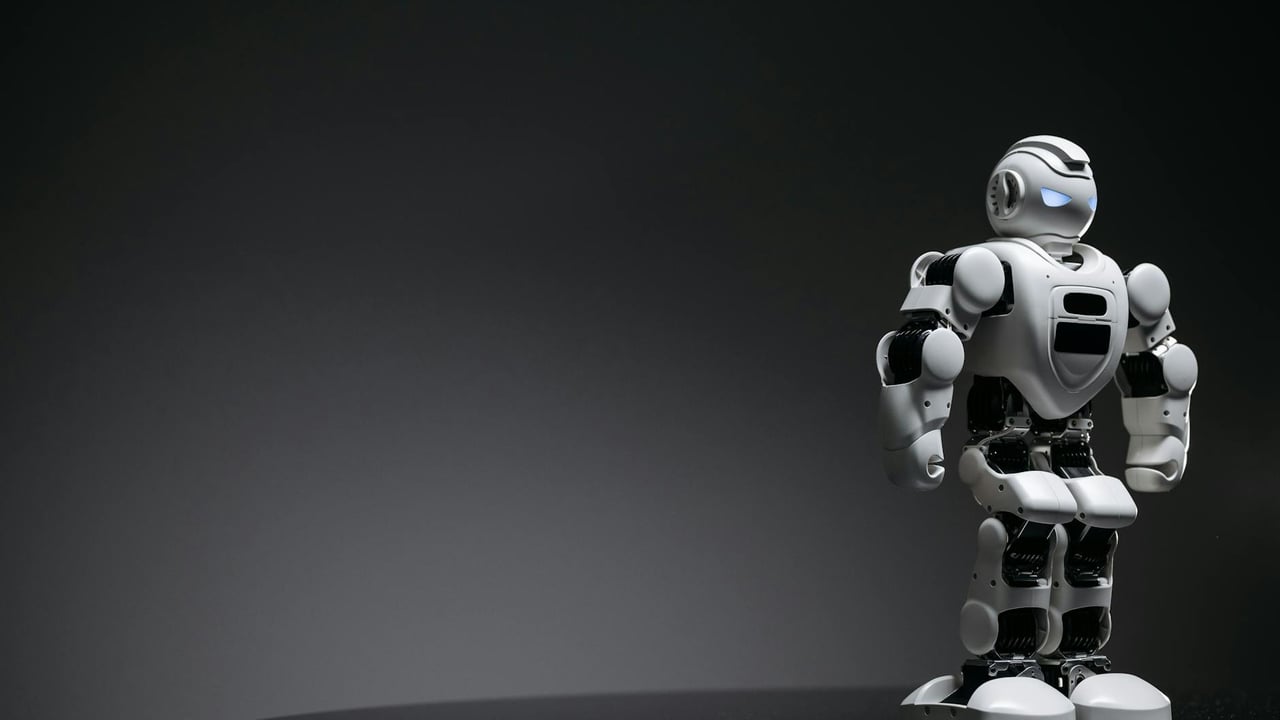

At the 22nd Shenzhen International Cultural Industries Fair (ICIF), the future of Chinese tourism and service automation has taken a humanoid form. Within the Shanghai exhibition pavilion, the 'Lingxi' robot, developed by the high-profile startup Agibot, has stepped into the role of a sophisticated tour guide. Moving beyond the static displays of previous years, this AI-driven assistant provides visitors with a conversational and interactive exploration of Shanghai’s cultural and historical landmarks.
Agibot, founded by former Huawei 'Genius Youth' and tech influencer Peng Zhihui, has rapidly become a central player in China's race to dominate the 'embodied AI' sector. The Lingxi robot’s deployment at such a high-stakes cultural venue demonstrates a strategic pivot from heavy industrial applications toward sophisticated service roles. By guiding visitors through virtual reality recreations of the Communist Party’s first congress site and the traditional Yuyuan Garden, the robot serves as a bridge between historical heritage and cutting-edge innovation.
The Shanghai pavilion’s strategy reflects a broader national directive to develop 'New Quality Productive Forces' by merging technology with the cultural sector. Visitors are not merely viewing artifacts but are interacting with AI-integrated platforms and digital human displays. This ecosystem includes the Shanghai Press Group’s AI 3.0 platform and various VR initiatives, illustrating a concerted effort by municipal governments to digitize 'soft power' and urban branding through the lens of domestic tech self-reliance.
This integration of humanoid robotics into public exhibitions serves as a live beta test for the commercial viability of embodied AI in the service economy. While the Lingxi robot currently operates within the controlled environment of a trade fair, its ability to navigate complex cultural narratives and interact with diverse crowds suggests a future where AI guides become standard fixtures in museums and heritage sites across China. The move signals that the next phase of the AI revolution will be as much about physical presence and social interaction as it is about backend data processing.