
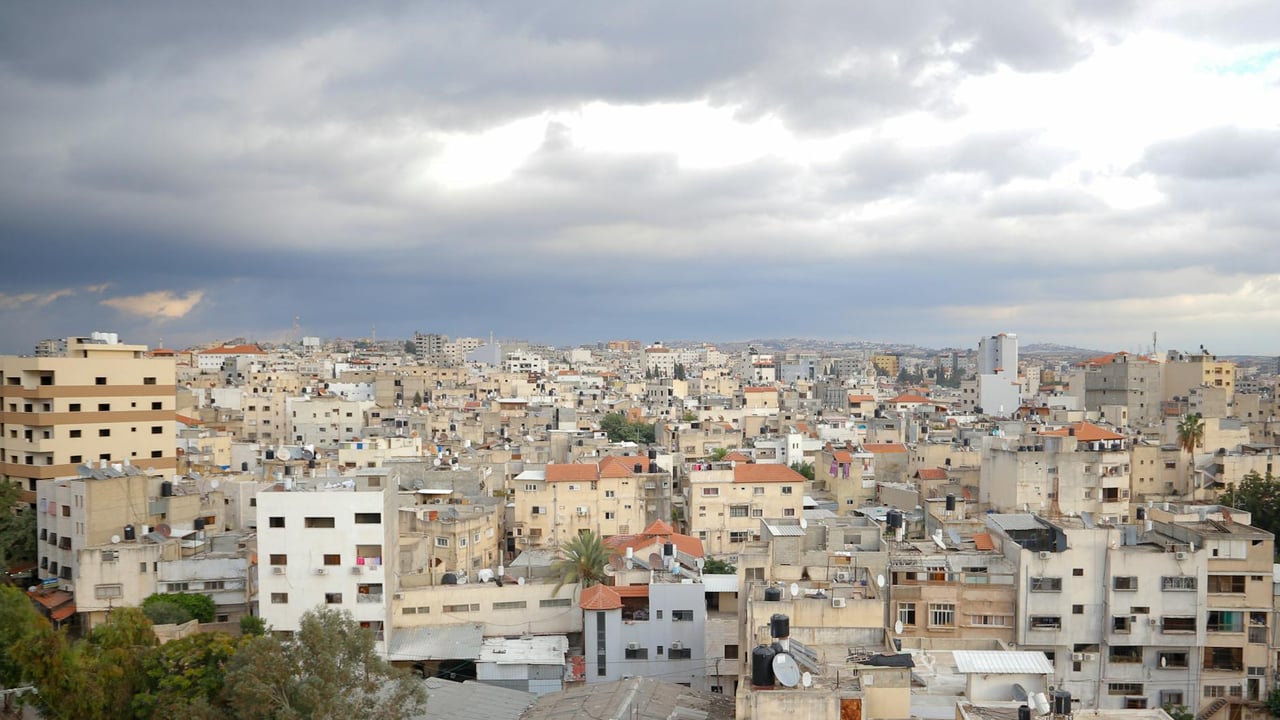

In the bustling northern city of Nablus, the dusty air is thick with the sounds of bleating sheep and the sharp haggling of traders. As the lunar calendar ticks toward the festival of Eid al-Adha, the livestock markets of the West Bank have become a temporary theater of economic activity and religious devotion. Despite the encroaching shadows of regional instability, the ritual purchase of animals for sacrifice remains a cornerstone of Palestinian cultural life.
For many in the West Bank, these markets represent more than just a religious obligation; they are a vital barometer of the local economy. The price of livestock often reflects the volatility of import routes and the fluctuating purchasing power of a population squeezed between high unemployment and limited movement. Even so, the drive to provide for the "Feast of Sacrifice" often pushes families to prioritize these purchases, underscoring the resilience of communal traditions.
The reporting of these scenes by Chinese state media highlights a specific diplomatic positioning within the region. By focusing on the daily lives and cultural practices of Palestinians, Beijing emphasizes its long-standing narrative of supporting the Palestinian cause and regional stability. This soft-power lens portrays a Middle East defined not just by conflict, but by the persistent human desire for normalcy and the preservation of heritage.
As the holiday approaches, the vitality of the Nablus market serves as a reminder of the complex layers of life in the occupied territories. While the geopolitical landscape remains fraught with tension, the ancient rhythms of trade and faith continue to dictate the pace of life. For a moment, the focus shifts from political grievances to the immediate, tangible needs of the family and the sanctity of the upcoming festival.