Tehran’s Global Gambit: Iran Threatens World Markets as Trump-Netanyahu Relations Fray

Iran has warned it will expand any future conflict beyond the Middle East, even as President Trump delays military strikes to seek a diplomatic deal. The delay has caused a significant rift with Israel, while Tehran signals it is prepared to target global maritime trade and Western interests abroad.

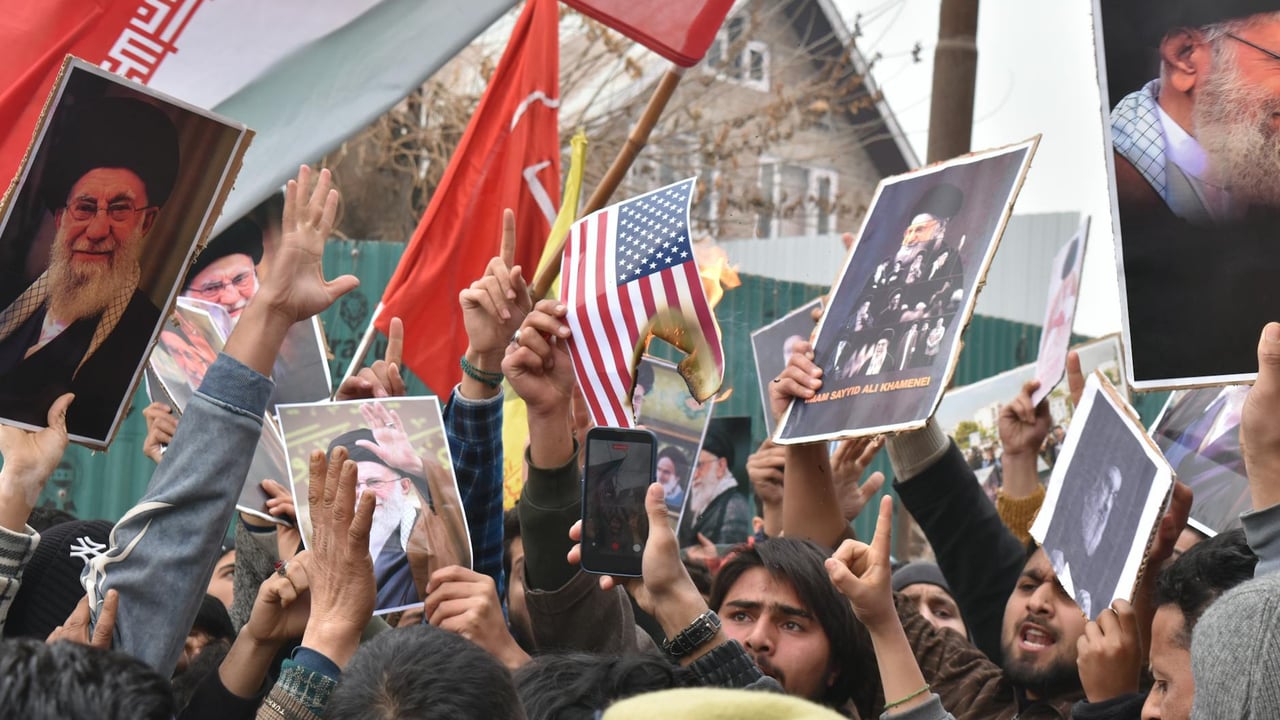
Crowd of demonstrators holding flags and banners during a protest outdoors.

Key Takeaways

  • 1The IRGC warned that any new attack will trigger Iranian retaliation outside of the Middle Eastern theater.
  • 2President Trump postponed a military strike originally scheduled for May 19, citing requests from Qatar, Saudi Arabia, and the UAE.
  • 3Tensions have flared between Trump and Benjamin Netanyahu, with the latter calling the delay of military action a 'mistake.'
  • 4Security analysts warn that Iran could target the Bab-el-Mandeb Strait, a vital chokepoint for 10% of global maritime trade.
  • 5Tehran’s current negotiating position includes demands for war damages and guaranteed uranium enrichment rights.

Editor's
Desk

Strategic Analysis

The 2026 crisis underscores a fundamental shift in Iranian deterrence, moving from regional proxy engagement to a doctrine of globalized economic and asymmetric risk. By threatening the Bab-el-Mandeb Strait and 'unimaginable' locations, Tehran is effectively holding the global supply chain hostage to prevent a full-scale invasion. Meanwhile, the friction between Trump and Netanyahu reveals a growing divergence in Western strategy: Washington is currently prioritizing regional stability and the economic concerns of Gulf partners, while Israel remains committed to a pre-emptive military solution. This misalignment provides Tehran with the diplomatic 'breathing room' it needs to rebuild its capabilities while the threat of a wider, extra-regional war serves as a potent deterrent against renewed US strikes.

China Daily Brief Editorial
Strategic Insight
China Daily Brief

Iran’s Islamic Revolutionary Guard Corps (IRGC) has significantly raised the stakes in the ongoing standoff with the West, warning that any renewed military aggression against Tehran will result in a battlefield that expands far beyond the borders of the Middle East. This strategic pivot to globalized asymmetric warfare comes as diplomatic efforts to maintain a fragile ceasefire reach a critical juncture, with Tehran signaling that its restraint has its limits.

Supreme Leader Mujtaba and other high-ranking officials have framed the current period as an 'unprecedented historic resistance,' suggesting that the Islamic Republic has used recent lulls in fighting to replenish its arsenal and fortify its defenses. The IRGC’s latest communique is particularly ominous, threatening retaliatory strikes in locations that the West 'cannot even imagine.'

In Washington, Donald Trump’s decision to postpone a planned military strike—reportedly at the behest of Gulf allies like Saudi Arabia and the United Arab Emirates—has introduced a volatile mix of hope and uncertainty. While the White House, led by Vice President J.D. Vance, expresses optimism about a potential grand bargain, Tehran's demands for war reparations and uranium enrichment guarantees remain significant hurdles.

The diplomatic delay has also exposed a deepening rift between Washington and its closest regional ally, Jerusalem. Prime Minister Benjamin Netanyahu reportedly engaged in a 'tense' hour-long call with Trump, arguing that the postponement was a strategic blunder and urging an immediate resumption of military operations.

If the ceasefire collapses, analysts fear Iran may pivot toward economic sabotage, specifically targeting the Bab-el-Mandeb Strait. By threatening a chokepoint through which ten percent of global maritime trade flows, or attacking the energy infrastructure of the Gulf monarchies, Tehran aims to leverage the global economy as its ultimate shield against Western intervention.

Share Article

Related Articles

📰
No related articles found