

China’s fiscal machinery is undergoing a profound structural transformation, as evidenced by the latest data for the first four months of 2026. Broad fiscal revenue grew by 0.4% to 9.36 trillion yuan, marking the first time this year that cumulative revenue growth has turned positive. This turnaround was propelled by a robust 8.2% surge in tax revenue during April, a figure that stands in stark contrast to the stagnation seen in previous years.
However, this revenue recovery is not a uniform signal of economic health but rather a reflection of shifting price dynamics and strategic policy adjustments. A significant portion of the tax windfall stems from a rise in the Producer Price Index (PPI), which was buoyed by international energy shocks and geopolitical tensions. Furthermore, Beijing’s decision to scale back tax rebates for green energy exports, including solar panels and batteries, has effectively bolstered the state’s coffers at the expense of previously subsidized industries.
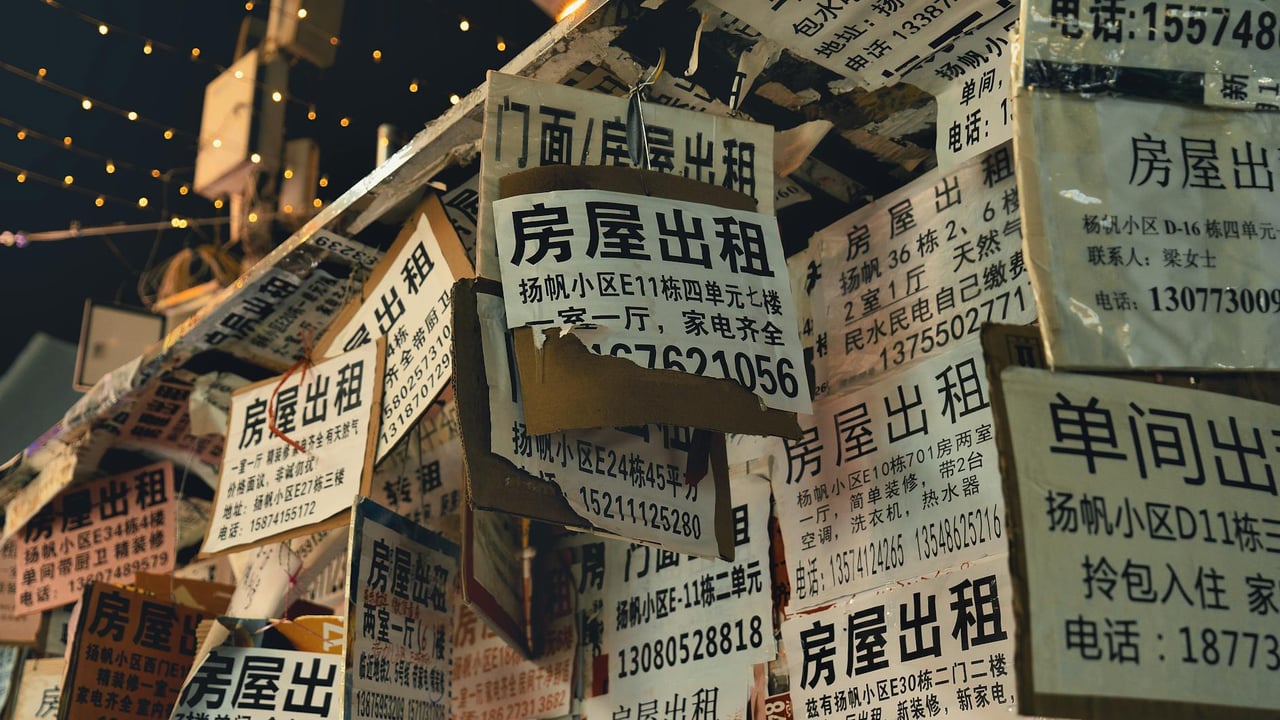
The property sector remains the proverbial ball and chain on the central government’s fiscal ambitions. Revenue from land sales plummeted by 27.2% year-on-year, while property-related taxes like deed taxes and land value-added taxes saw double-digit declines. This continued collapse of the 'land finance' model is placing unprecedented pressure on local governments, whose budgets have historically relied on the real estate treadmill to fund operations and debt service.
In response to these diverging fortunes, Beijing is reorienting its expenditure toward a philosophy of 'investing in people.' While overall broad fiscal spending growth slowed to 0.4%, disbursements for social security, employment, and healthcare grew at significantly higher rates. This pivot suggests a deliberate move to shore up the social safety net and stimulate domestic consumption, moving away from the traditional playbook of blind infrastructure investment.
Looking toward the second half of the year, the market is eyeing a massive liquidity injection from the 4.4 trillion yuan in special local government bonds and 1.3 trillion yuan in ultra-long-term special treasury bonds. The challenge for policymakers will be ensuring these funds are deployed with high efficiency. The goal is to create 'physical work volume' in strategic sectors like technology and urban renewal rather than merely inflating the balance sheets of debt-laden state enterprises.