
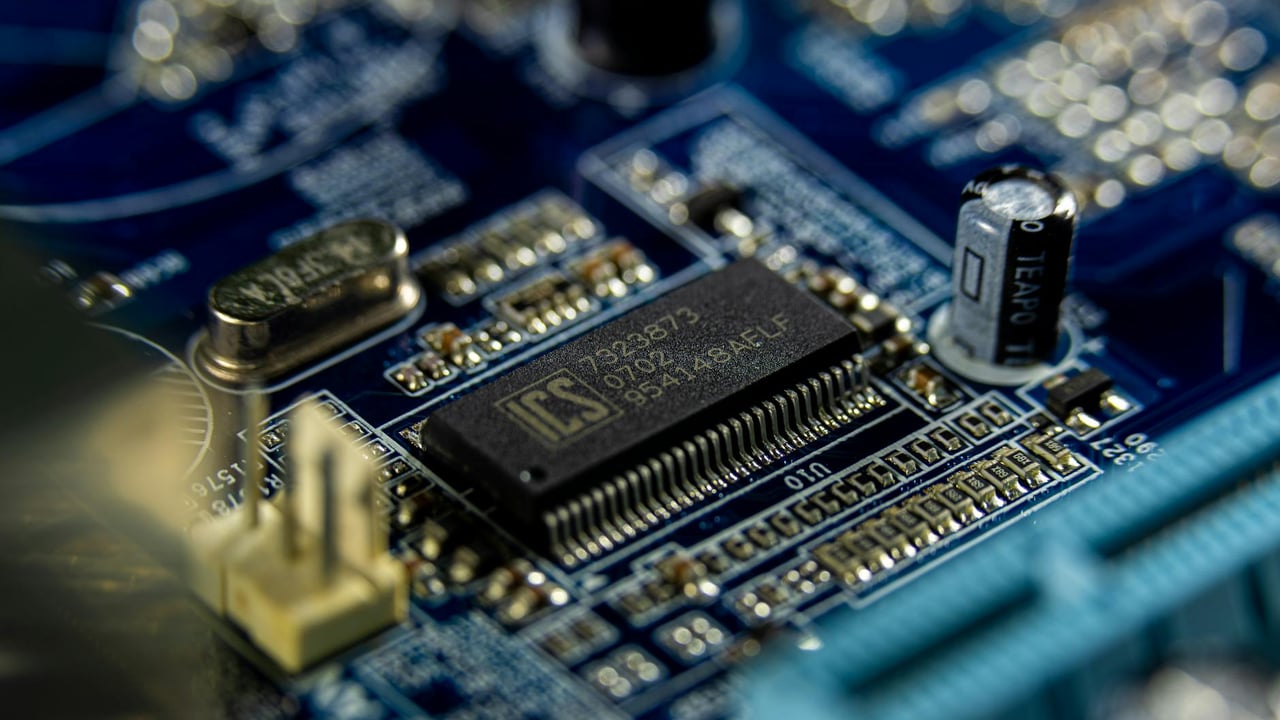

The upcoming IPO of Changxin Technology, China’s domestic champion in memory chips, has once again turned the international spotlight on Hefei. Once a backwater provincial capital, Hefei has reinvented itself as a sophisticated 'strategic industrial investor,' with state-owned entities holding a 35% stake in the semiconductor giant. Institutional valuations suggest Changxin could be worth between 3 and 4 trillion RMB, potentially delivering a windfall that rivals the city’s entire annual GDP.
This success is not a stroke of luck but the culmination of a decade-long strategy known as the 'Hefei Model.' In 2016, when domestic DRAM production was virtually non-existent and the global market was dominated by a three-company oligopoly, Hefei provided 75% of the initial funding to launch Changxin. By absorbing the risks of high capital expenditure and slow returns, the city successfully nurtured a firm that now ranks as the world’s fourth-largest DRAM manufacturer.
Hefei’s approach is characterized by 'counter-cyclical' investing—the art of buying in when a sector is at its lowest. This was famously demonstrated in 2007 when the city diverted 80% of its fiscal revenue to fund BOE’s display production, and again in 2019 when it rescued the electric vehicle maker NIO from the brink of bankruptcy. These high-stakes gambles have transformed Hefei from what was once mocked as 'China’s largest county' into a high-tech powerhouse with a GDP exceeding 1.4 trillion RMB.
The city’s evolution from an appliance manufacturing hub to a center for 'chips, screens, and cars' has been driven by a professionalized bureaucracy. Unlike traditional state-led planning, Hefei’s investment teams operate like private equity firms, conducting rigorous due diligence across technical, legal, and financial dimensions. They act as 'partners' rather than mere 'managers,' leveraging state capital to de-risk emerging industries for private investors.
However, Hefei’s meteoric rise brings new structural challenges. In 2024, the city officially entered the ranks of China’s 'megacities' with a population exceeding 10 million. This rapid expansion has strained public services and highlighted an imbalance in the regional economy. As Hefei 'siphons' talent and capital from surrounding areas in Anhui province, the gap between the capital and its neighbors continues to widen.
To sustain its momentum, Hefei must transition from a strategy of scale to one of quality. While it has successfully built industrial clusters, many of its supply chains remain positioned in the mid-to-low-end segments. The city’s next frontier involves upgrading its modern services sector and ensuring that its technological dividends are shared more equitably across the region, moving from an isolated 'investment island' to a regional growth engine.